
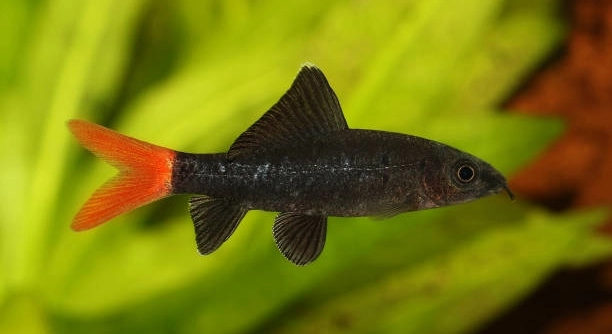
Are your rainbow sharks acting aggressive or looking stressed in their tank, even though you’re doing your best to care for them?
The most effective way to raise happy rainbow sharks is by creating a spacious, well-maintained tank environment with proper hiding spots and compatible tankmates. Regular water changes and a consistent feeding routine also support their overall health.
These tips are simple to follow and can help improve your rainbow shark’s mood, behavior, and quality of life in your aquarium.
Give Them Plenty of Space
Rainbow sharks can become territorial when they don’t have enough space. A minimum of 55 gallons is recommended for one adult rainbow shark. These fish enjoy swimming and exploring the bottom of the tank, so the layout matters. Long tanks with horizontal swimming space are better than tall, narrow tanks. Adding caves, rocks, and driftwood gives them hiding spots to retreat to. This helps reduce stress and keeps them from chasing other fish too much. Avoid overcrowding the tank. If you plan to keep tankmates, make sure they also have space to swim freely. When rainbow sharks feel confined, they often become aggressive. Giving them room to move can make a big difference in their behavior. It’s also important to avoid placing two rainbow sharks in the same tank unless it’s very large and has lots of cover. These fish do best when they have their own territory.
A small tank can quickly lead to stress and fighting. Proper space helps your rainbow shark feel secure and less defensive.
If your rainbow shark is always hiding or acting skittish, the tank size might be too small. Watch how it swims. If it seems restless or aggressive, try rearranging the tank to give it more territory.
Keep the Water Clean
Rainbow sharks are sensitive to poor water conditions. Unclean water can affect their health and cause them to act out.
Perform weekly water changes of about 25–30% to maintain stable conditions. Use a water conditioner to remove chlorine and other harmful substances before adding new water. A good filter is also important, but make sure it doesn’t create too strong of a current. These fish prefer calm areas in the tank where they can rest. Monitor water parameters regularly using a test kit. Ammonia and nitrite should always be at zero, while nitrate should stay below 40 ppm. The ideal temperature range is between 75°F and 80°F, and the pH should stay between 6.5 and 7.5. Clean the tank walls, vacuum the gravel, and remove uneaten food quickly. These simple habits will help keep the tank clean and reduce stress on your rainbow shark. Stable, clean water helps support better behavior and long-term health.
Choose Calm Tankmates
Rainbow sharks don’t do well with other bottom-dwelling or aggressive fish. Avoid fish that look similar or compete for territory.
Stick to mid-level or top-swimming species that are peaceful and fast enough to avoid conflict. Good options include barbs, gouramis, danios, and rasboras. These species usually stay out of the shark’s way and reduce the chance of chasing. Avoid slow-moving fish or those with long fins, like angelfish or bettas, which can trigger aggressive behavior. It’s best to add tankmates when the rainbow shark is still young, as adult sharks tend to be more territorial. Add tankmates in groups to prevent one fish from being singled out. Monitor their behavior closely in the first few days to make sure everyone is adjusting well. If aggression starts, consider adding more hiding places or rearranging the tank to break up established territories.
Adding calm tankmates gives your rainbow shark less reason to feel threatened or protective. The key is matching temperaments and keeping enough room for everyone. A peaceful tank helps lower stress levels and keeps all the fish more relaxed. Rainbow sharks can live with others, but choosing the right species makes a big difference. You’ll notice a calmer, more active shark when tankmates aren’t a source of tension.
Feed a Balanced Diet
A poor diet can lead to dull colors, low energy, and unwanted aggression in rainbow sharks. Balanced meals support both health and behavior.
Feed your rainbow shark a mix of sinking pellets, algae wafers, and occasional protein-rich snacks like bloodworms or brine shrimp. These fish are omnivores, so they benefit from both plant and animal matter. Feeding once or twice a day in small amounts is enough. Remove uneaten food after ten minutes to avoid water quality issues. Try switching up their meals once in a while to keep them interested and ensure variety. Overfeeding can lead to obesity and dirty water, which affects their health. It’s also best to avoid feeding only one type of food long-term. Look for high-quality products with clear ingredient lists. Healthy eating helps your rainbow shark grow strong, stay active, and keep its vibrant color. Feeding routines that meet their needs will also reduce aggression caused by hunger or poor nutrition.
Limit Bright Lighting
Too much bright light can make rainbow sharks feel exposed and stressed. Use moderate lighting and give them places to hide.
Adding floating plants or dimmable lights can create a more comfortable setting. A calm tank atmosphere helps your shark feel safer and behave more peacefully.
Rearrange the Tank Occasionally
Changing the tank layout once in a while can prevent territorial behavior. When decorations are moved, your rainbow shark has to re-establish territory, which reduces long-term aggression. Add caves, rocks, or driftwood in new spots every few weeks. This keeps the environment interesting and helps calm dominant behavior.
Keep the Lid Closed
Rainbow sharks are strong jumpers, especially when stressed or startled. A secure tank lid prevents accidents and keeps them safe inside their tank.
FAQ
How often should I feed my rainbow shark?
Feeding once or twice a day in small amounts is best. Overfeeding can cause water quality problems and make your fish unhealthy. Remove any leftover food after 10 minutes to keep the tank clean. A balanced diet with sinking pellets and occasional treats like bloodworms will keep them happy.
Can rainbow sharks live with other fish?
Yes, but choose peaceful tankmates that swim in the middle or top of the tank. Avoid other bottom dwellers or fish with similar shapes, as rainbow sharks can be territorial. Good tankmates include barbs, rasboras, and gouramis. Adding hiding spots helps reduce conflicts.
What tank size do rainbow sharks need?
A minimum of 55 gallons is recommended for one adult rainbow shark. They need plenty of swimming space and places to hide. Larger tanks reduce aggression and stress. Avoid keeping two rainbow sharks together unless the tank is very large and has many hiding areas.
Why is my rainbow shark hiding all the time?
Hiding can be a sign of stress or poor water conditions. Check water quality, tank size, and if other fish are bullying it. Make sure the tank has enough cover like plants and decorations. Improving tank conditions usually helps the shark feel safer.
How do I reduce aggression in my rainbow shark?
Provide plenty of space, hiding spots, and calm tankmates. Rearranging the tank layout occasionally helps break territorial behavior. Keep water clean and feed a balanced diet. Avoid overcrowding the tank, which increases stress and aggression.
What temperature is best for rainbow sharks?
Keep the water between 75°F and 80°F. Stable temperatures help maintain their health and reduce stress. Sudden temperature changes can make them sick or cause aggressive behavior. Use a reliable heater and thermometer to monitor the tank.
Can I keep more than one rainbow shark in the same tank?
It’s not recommended unless the tank is very large (over 100 gallons) and has many hiding places. Rainbow sharks are territorial and may fight in smaller spaces. If you want multiple, give each fish its own territory with plenty of decorations.
What should I do if my rainbow shark is chasing other fish?
Try adding more hiding spots and rearranging decorations to disrupt established territories. Check if the tank is too small or overcrowded. Introducing calm tankmates can help reduce chasing. If aggressive behavior continues, consider separating the shark temporarily.
How do I maintain water quality for rainbow sharks?
Do weekly water changes of 25–30%, use a good filter, and remove uneaten food quickly. Test water regularly to keep ammonia and nitrite at zero, and nitrate under 40 ppm. Clean tank walls and vacuum gravel to prevent buildup of waste.
Why does my rainbow shark jump out of the tank?
Jumping happens if they feel stressed, threatened, or if water quality is poor. Always keep a secure lid on the tank to prevent accidents. Improving water conditions and reducing stress will help stop jumping behavior.
Taking care of rainbow sharks can be very rewarding when you understand their needs. These fish require a spacious tank with plenty of hiding spots to feel secure. They do best with calm, compatible tankmates and clean, stable water conditions. Keeping the environment comfortable and feeding them a balanced diet helps them stay healthy and happy. When their needs are met, rainbow sharks are more active and show less aggressive behavior, making your aquarium a peaceful place to enjoy.
It is important to watch your rainbow shark regularly for signs of stress or illness. Changes in behavior like hiding too much, chasing other fish, or loss of color can point to problems with the tank or care routine. By maintaining water quality with regular changes and checking parameters often, you create a safe home for your fish. Rearranging the tank every so often also helps reduce territorial disputes and keeps your shark mentally stimulated. Simple habits like keeping a secure lid and limiting bright lighting improve safety and comfort.
Raising a happy rainbow shark takes attention but is not difficult once you know what to do. Giving them enough room, the right tankmates, proper food, and clean water will keep them thriving. These fish bring color and activity to your aquarium when cared for properly. Remember, your consistency in maintenance and careful observation will make all the difference. With patience and care, your rainbow shark can live a long, peaceful life and be a beautiful addition to your home tank.

Hello,
If you enjoy the content that we create, please consider saying a "Thank You!" by leaving a tip.
Every little bit helps us continue crafting quality advice that supports the health, happiness, and well-being of pets around the world, for pets of all shapes, sizes, and species.
We really appreciate the kindness and support that you show us!