
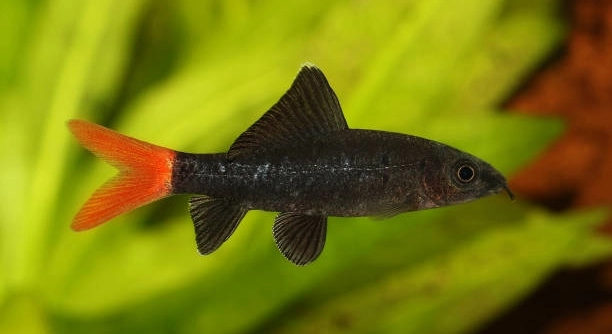
Is your rainbow shark spending more time hiding than exploring, and ignoring the food you offer no matter the type or timing?
Rainbow sharks may not eat enough due to stress, improper tank conditions, illness, or incompatible tank mates. These issues can lead to appetite loss, especially in sensitive or territorial species like rainbow sharks.
Understanding what’s behind this behavior can help you make small changes that support your fish’s health and comfort in its tank.
Stress from a New Environment
Rainbow sharks are sensitive to changes, especially when introduced to a new tank. A new environment can make them feel unsafe, leading to hiding, erratic swimming, or refusing food. Even subtle shifts in lighting, background noise, or nearby movement can heighten their stress. This species also tends to be territorial, so a lack of hiding spots or overexposure may increase anxiety. If you recently brought your rainbow shark home or moved it to a different tank, give it time to adjust. Keep the tank lights dim for the first few days and minimize activity around the tank. Avoid adding more fish until your rainbow shark is comfortable. A calm, stable environment helps them feel more secure. Feeding should be quiet and consistent—use the same food and offer it in the same spot. Once settled, their appetite usually returns, but early stress can throw off their eating for days or weeks.
Keep the surroundings calm and consistent. It helps your fish feel safe and gradually encourages them to eat again.
Try to create a routine with feeding times, lighting, and tank maintenance. Stability helps reduce stress. It’s also helpful to observe your fish quietly during feeding to see if they’re showing interest but too nervous to eat.
Incompatible Tank Mates
Not all fish get along, and rainbow sharks are known for being territorial. Keeping them with similar-looking or bottom-dwelling fish often leads to chasing, hiding, and stress-related behaviors. This tension can cause your shark to stop eating altogether.
It’s best to avoid housing them with species like red-tailed sharks, other rainbow sharks, or fish that stay near the bottom of the tank. These situations often trigger aggressive behavior. If your shark feels threatened, it may stay in hiding and ignore food. Sometimes, the problem isn’t aggression but competition—other fish may eat quickly, leaving your rainbow shark with little. To fix this, rearrange the tank layout and create more caves or hiding spots. Observe how fish interact during feeding times. If necessary, feed in multiple spots or temporarily separate the rainbow shark. A peaceful tank setup makes a big difference. Once your shark feels safe, its appetite usually returns within a few days.
Poor Water Conditions
Dirty or unstable water can lead to stress and appetite loss. Ammonia, nitrite, or pH imbalances may not be visible but affect your rainbow shark’s health quickly. Even a slight drop in oxygen levels can cause discomfort.
Check your water parameters regularly using a reliable test kit. The ideal temperature range for rainbow sharks is 75–81°F, with a pH between 6.5 and 7.5. Ammonia and nitrite levels should always be at zero, while nitrates should be kept low through weekly water changes. Uneaten food and waste build up fast in smaller tanks, making regular cleaning important. Use a gravel vacuum and clean filters as needed, but avoid washing them with tap water to preserve beneficial bacteria. If water changes are too infrequent or too large at once, your fish might react poorly. Sudden changes in water chemistry can stop them from eating, even if everything else seems fine.
Rainbow sharks are more likely to eat when they feel comfortable. Clean water helps their immune system function properly, reducing illness and keeping them active. Once the tank stabilizes and the environment feels safe, their natural appetite usually comes back. Watch their behavior closely during this adjustment to spot any lingering problems early on.
Illness or Internal Parasites
Sick fish often avoid food. If your rainbow shark has stopped eating, look for signs like clamped fins, white stringy poop, or changes in color. Rapid breathing and hiding more than usual may also point to illness or internal parasites.
Treating illness early can make a big difference. First, isolate the fish if possible to prevent spreading anything to other tank mates. Aquarium salt may help in mild cases, but stronger treatments like anti-parasitic medication or antibiotics might be needed. It’s important to know what you’re treating before using medication, so research symptoms carefully or consult with a vet who specializes in fish. During recovery, offer soft or high-protein foods to stimulate eating—frozen bloodworms or daphnia are often accepted more readily. Keep the water extra clean during this time, and monitor changes daily. A sick fish might not eat for days, but once treatment starts working, their appetite can slowly return.
Feeding at the Wrong Time
Rainbow sharks are more active during certain times of the day. If food is offered when they’re not active or feeling stressed, they may ignore it entirely. Feeding them in the early evening often gives better results.
Try feeding after the tank lights have been on for a while. Avoid early mornings or times right after cleaning or rearranging the tank. A peaceful environment helps them feel safe enough to eat.
Offering the Wrong Food
Rainbow sharks are omnivores, so they need a mix of plant-based and protein-rich foods. If you’re only feeding flakes or pellets, they may get bored or lack proper nutrition. Try adding frozen bloodworms, spirulina wafers, or blanched vegetables like zucchini. Switching up the diet can help spark interest in eating again.
Overfeeding in the Past
Overfeeding can cause bloating and discomfort. If your shark has been overfed, it may refuse food for a few days while recovering. Stick to small, measured portions once daily, and remove any uneaten food quickly.
FAQ
How long can a rainbow shark go without eating?
A healthy rainbow shark can go without food for up to a week, sometimes slightly longer. However, not eating for more than three to four days could point to stress, illness, or poor water conditions. If your shark skips a meal or two, it’s not always a problem, especially after a tank change or cleaning. But if it continues, check water parameters, tank mates, and diet. Pay close attention to behavior. If it’s hiding more, breathing fast, or showing physical changes, act quickly. The longer it refuses food, the harder recovery may be.
What food is best for rainbow sharks?
Rainbow sharks do well on a varied diet. High-quality sinking pellets should be the base of their meals. Add frozen or live options like bloodworms, brine shrimp, or daphnia once or twice a week. For balance, include spirulina flakes or algae wafers to support their need for plant matter. You can also offer blanched vegetables like zucchini or peas in small amounts. A diet with both plant and animal sources helps them grow properly and stay healthy. Feeding just one type of food every day can lead to boredom and nutritional gaps.
How often should rainbow sharks be fed?
Feed your rainbow shark once per day, offering only what it can eat in two to three minutes. Overfeeding leads to waste buildup and water issues, which often cause appetite loss. If you’re trying new foods, keep portions small at first and watch how your fish reacts. It’s better to feed a little less than too much. Once a week, skip a feeding day to give the digestive system a rest—this is especially helpful if you’ve noticed bloating or leftover food in the tank.
Can rainbow sharks be picky eaters?
Yes, especially in stressful environments. If the tank is too bright, noisy, or shared with aggressive fish, they may ignore food. Some rainbow sharks also take time to adjust to new types of food. Try offering a variety and repeat options over a few days. Many fish won’t accept something unfamiliar right away but will eat it once they’re comfortable. If your shark eats a certain food one day but not the next, don’t worry—it can be normal as long as it’s active and healthy.
What signs show my rainbow shark is sick?
Lack of appetite is often the first sign. Other signs include clamped fins, hiding more than usual, faded color, or white stringy poop. Watch for rapid gill movement or erratic swimming. Illness might come from parasites, bacterial infections, or poor water quality. If multiple symptoms appear, isolate the fish if you can and start treatment. It’s important to act early, as untreated conditions can become serious fast. Keep the water clean and observe your fish closely during recovery.
Should I be worried if my rainbow shark skips a meal?
Not always. Skipping one meal occasionally is normal, especially after stress like a water change or tank rearrangement. But if it becomes a pattern, check the basics—water temperature, ammonia levels, diet, and possible aggression from tank mates. A missed meal now and then isn’t cause for panic, but several days without food should be investigated.
Is it okay to hand-feed my rainbow shark?
It’s not necessary and usually not recommended. Rainbow sharks are shy and territorial. Trying to hand-feed can make them feel threatened. Instead, feed in a calm, quiet environment and allow your shark to come out on its own. Over time, some may eat closer to the front of the tank, but don’t force it. Keep feeding routines simple and consistent.
Final Thoughts
Rainbow sharks can be sensitive and sometimes difficult to understand, especially when they stop eating. It’s easy to feel worried when your fish ignores food, but there are often clear reasons behind it. Stress, illness, tank issues, or even the wrong type of food can all play a part. Taking the time to observe your rainbow shark’s behavior closely can help you notice small changes early. Things like hiding more, swimming differently, or showing less interest in the environment are signs something might be wrong. When these changes happen along with appetite loss, it’s important to act quickly but calmly.
Start by checking the basics. Make sure your water is clean, the temperature is stable, and your shark isn’t being harassed by other fish. A peaceful tank setup makes a big difference in how comfortable your rainbow shark feels. Also, try offering a variety of foods. Sometimes they just get bored with the same thing every day. Frozen foods, vegetable slices, and sinking pellets can help get them interested in eating again. Feed in small amounts and at the same time each day. If your fish is still adjusting to a new environment, it may take a few days before it feels safe enough to eat regularly.
Be patient and consistent. Most rainbow sharks will return to eating once the stress is gone and they feel secure. Keep the tank calm, watch for signs of illness, and avoid changing too many things at once. If your shark has stopped eating for more than a few days and nothing seems to help, it may be time to seek advice from a vet or experienced aquarist. But in many cases, small changes can go a long way. Paying attention to your shark’s needs, both physical and environmental, will help support its health and keep it active. A healthy rainbow shark is more likely to eat well, swim confidently, and bring more life to your tank.

Hello,
If you enjoy the content that we create, please consider saying a "Thank You!" by leaving a tip.
Every little bit helps us continue crafting quality advice that supports the health, happiness, and well-being of pets around the world, for pets of all shapes, sizes, and species.
We really appreciate the kindness and support that you show us!