
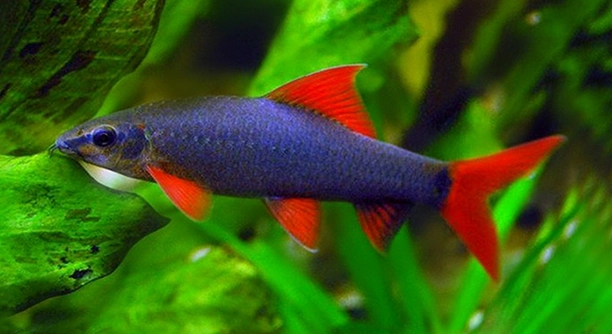
Is your Rainbow Shark refusing to eat and leaving you concerned about its health? This is a common issue that many aquarium owners face. Understanding the reasons behind this behavior is important for keeping your fish healthy and happy.
Rainbow Sharks may stop eating due to stress, poor water quality, improper diet, illness, tank mates’ aggression, inadequate hiding spaces, or sudden changes in environment. Identifying and addressing these factors can restore their appetite and overall well-being.
Knowing what to look for when your Rainbow Shark isn’t eating will help you take the right steps to improve its condition and maintain a balanced aquarium environment.
Stress and Environment Changes
Rainbow Sharks are sensitive to changes in their environment. Moving them to a new tank, changing water conditions abruptly, or rearranging decorations can cause stress. Stress weakens their immune system and often leads to loss of appetite. Even loud noises or excessive activity near the aquarium can upset them. Keeping a stable environment helps your Rainbow Shark feel secure. Sudden changes should be minimized or done gradually. Monitoring water temperature and maintaining consistent lighting schedules also reduce stress levels. Providing places to hide gives them a sense of safety. When they feel comfortable, they are more likely to eat regularly.
Stress from environmental changes is a common reason Rainbow Sharks stop eating. Maintaining stable tank conditions is essential.
Keeping stress low requires patience and attention. Avoid sudden changes and keep the tank calm. This creates a comfortable home for your Rainbow Shark to thrive in, encouraging healthy eating habits and overall well-being.
Water Quality Issues
Poor water quality directly affects your Rainbow Shark’s appetite. High ammonia or nitrate levels are harmful and can cause illness, making the fish refuse food. Frequent water testing is necessary to keep the environment safe. Regular partial water changes help maintain good quality and reduce toxins. Filtration must be appropriate for tank size to keep water clean and oxygenated. Overstocking the tank can cause waste buildup, so avoid adding too many fish. Removing uneaten food promptly also prevents water pollution. Clear, clean water supports the fish’s health and encourages normal feeding behavior. Addressing water quality problems quickly prevents further health decline. Your Rainbow Shark depends on a clean tank for its survival and appetite.
Diet and Feeding Habits
Rainbow Sharks need a balanced diet to stay healthy. Feeding only one type of food may cause them to lose interest and stop eating. Variety is key to keeping their appetite steady.
Including high-quality flakes, pellets, and occasional live or frozen foods like bloodworms or brine shrimp is beneficial. These provide essential nutrients and mimic their natural diet. Overfeeding can also lead to problems such as water pollution and obesity, which may affect their willingness to eat. Feed small amounts once or twice daily and remove any uneaten food after a few minutes. This practice keeps the tank clean and encourages healthy feeding habits.
Observing your Rainbow Shark’s eating habits helps you understand their preferences. Adjust the diet as needed and be patient when introducing new foods. Proper nutrition supports their health and appetite over time.
Tank Mates and Behavior
Aggressive tank mates can intimidate Rainbow Sharks, causing stress and loss of appetite. Compatibility is important when choosing other fish. Peaceful companions help maintain a calm environment.
Some fish may bully or chase Rainbow Sharks, preventing them from eating. Separating aggressive species or providing hiding places reduces conflict. Observing fish behavior regularly can alert you to problems before they affect feeding. Installing plants or decorations creates safe spaces for your Rainbow Shark to retreat. Ensuring enough space and avoiding overcrowding helps all fish feel secure. When tank mates are compatible and the environment is peaceful, your Rainbow Shark will be more likely to eat normally.
Illness and Health Problems
Illness can cause Rainbow Sharks to lose their appetite. Signs include lethargy, clamped fins, or unusual spots on their body. Early detection is key.
If you notice these symptoms, test the water quality and consider consulting a vet or fish expert. Prompt treatment can prevent serious health issues and help your fish start eating again.
Inadequate Hiding Spaces
Rainbow Sharks need places to hide and feel secure. Without enough hiding spots, they may become stressed and stop eating.
Adding caves, plants, or decorations creates safe areas. This reduces stress and encourages natural behavior, including regular feeding.
Sudden Environmental Changes
Rapid changes in temperature, lighting, or water chemistry affect Rainbow Sharks’ comfort. They may refuse food during adjustment.
Keeping stable conditions with gradual changes supports their health and appetite.
FAQ
Why is my Rainbow Shark hiding and not eating?
Rainbow Sharks often hide when stressed or scared. Lack of hiding spaces or aggressive tank mates can make them feel unsafe. Providing plenty of shelters and ensuring peaceful tank mates helps your fish feel secure and encourages normal eating habits.
How long can a Rainbow Shark go without eating?
Rainbow Sharks can survive several days without food, but prolonged fasting weakens their immune system. If your fish stops eating for more than a few days, it’s important to check water quality, tank conditions, and health status to address any problems promptly.
Can poor water quality cause my Rainbow Shark to stop eating?
Yes, poor water quality is a common cause of appetite loss. High levels of ammonia, nitrites, or nitrates stress the fish and can cause illness. Regular testing and water changes maintain a safe environment and help restore your fish’s appetite.
What should I feed a Rainbow Shark to encourage eating?
A varied diet with high-quality flakes, pellets, and occasional live or frozen foods like bloodworms or brine shrimp works best. Introducing different foods slowly allows your fish to adjust and stay interested in eating.
Could tank mates be affecting my Rainbow Shark’s appetite?
Aggressive or overly active tank mates can intimidate Rainbow Sharks, causing stress and preventing them from feeding. Observe their interactions closely and separate or replace incompatible fish to promote a peaceful environment.
How do I know if my Rainbow Shark is sick?
Signs of illness include lethargy, loss of color, clamped fins, abnormal swimming, or spots on the body. Illness often causes loss of appetite. Test water parameters and consider treatment options if symptoms persist.
Does temperature affect Rainbow Shark feeding habits?
Yes, Rainbow Sharks prefer stable temperatures around 72-79°F (22-26°C). Sudden temperature changes can stress them and reduce appetite. Use a reliable heater and monitor tank temperature to keep it consistent.
Can stress from sudden changes make my Rainbow Shark stop eating?
Stress from moving tanks, changing decorations, or noisy surroundings can cause your Rainbow Shark to stop eating. Minimize sudden changes and provide hiding places to help your fish adjust comfortably.
Is overfeeding harmful to Rainbow Sharks?
Overfeeding can pollute the water and cause obesity, which may reduce appetite and lead to health problems. Feed small portions once or twice daily and remove uneaten food to keep the tank clean and the fish healthy.
How often should I clean the tank to keep my Rainbow Shark healthy?
Regular partial water changes, about 25% weekly, keep water clean and safe. Avoid deep cleaning that disturbs beneficial bacteria. Consistent maintenance supports your fish’s health and appetite.
Final Thoughts
Taking care of a Rainbow Shark requires attention to several important factors. When your fish stops eating, it is usually a sign that something is not right in its environment or health. Stress, poor water quality, diet issues, aggressive tank mates, illness, lack of hiding spaces, or sudden environmental changes can all affect your Rainbow Shark’s appetite. By understanding these causes, you can better identify what needs to be fixed to help your fish return to normal eating habits. It is important to observe your fish closely and take action quickly when you notice changes in behavior or appetite.
Maintaining a stable and clean tank environment is one of the most effective ways to support your Rainbow Shark’s health. Regular water testing, proper filtration, and routine partial water changes help keep the water quality at safe levels. Avoid overcrowding your tank and make sure your fish has enough space to swim comfortably. Providing a varied diet that includes flakes, pellets, and occasional live or frozen foods will meet their nutritional needs and keep them interested in eating. Taking small steps to reduce stress, such as offering hiding spots and avoiding sudden changes, creates a peaceful environment where your Rainbow Shark can thrive.
Remember, patience is key when dealing with feeding issues. Sometimes, it takes a little time for your fish to adjust to changes or recover from illness. Watching for signs of sickness and acting quickly with appropriate treatment can prevent more serious problems. If problems persist despite your efforts, consulting a fish expert or veterinarian may be necessary. Overall, paying close attention to your Rainbow Shark’s behavior and tank conditions will help ensure it stays healthy and happy, with a good appetite. Keeping these points in mind will make caring for your Rainbow Shark a more rewarding experience.

Hello,
If you enjoy the content that we create, please consider saying a "Thank You!" by leaving a tip.
Every little bit helps us continue crafting quality advice that supports the health, happiness, and well-being of pets around the world, for pets of all shapes, sizes, and species.
We really appreciate the kindness and support that you show us!