
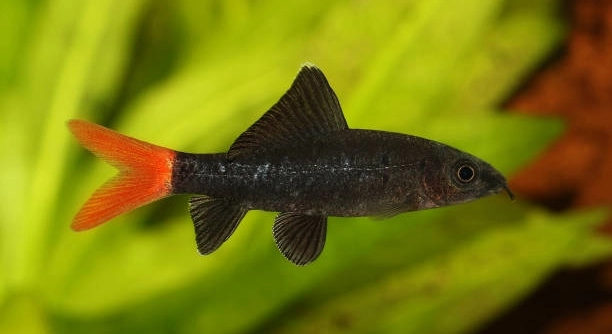
Are your rainbow shark’s behaviors or appearance causing concern? These vibrant fish need specific care to thrive in home aquariums. Recognizing signs of poor care early helps maintain their health and longevity.
Rainbow sharks showing signs of poor care may display stress behaviors, faded coloration, irregular swimming, or physical damage. These indicators often result from inadequate water quality, improper diet, overcrowding, or unsuitable tank conditions, which compromise their well-being.
Knowing the common warning signs helps ensure your rainbow shark lives a healthy and comfortable life in its environment. This guide outlines key ways to identify if your fish needs better care.
Poor Water Quality Effects on Rainbow Sharks
Maintaining good water quality is essential for rainbow sharks. These fish are sensitive to changes in their environment. When water is dirty or contains harmful chemicals, rainbow sharks may become stressed or sick. High levels of ammonia, nitrites, or nitrates can damage their gills and overall health. Inadequate filtration or irregular water changes cause waste buildup that lowers oxygen levels. This creates an unsafe habitat and weakens their immune system. You might notice your rainbow shark hiding more often or showing less activity. Cloudy water or a strong smell can also indicate poor water quality. Regular testing and proper maintenance help keep the water safe. Using a reliable filter, performing weekly water changes, and monitoring water parameters will ensure your fish stays healthy. Clean water supports their vibrant colors and active nature. It also prevents diseases that can be fatal if left unchecked.
Poor water quality is often the main reason for many health issues in rainbow sharks.
Consistent water care routines, such as weekly partial water changes and using a water testing kit, are vital. Avoid overfeeding to reduce waste buildup. Establishing a stable environment ensures your rainbow shark can thrive, swim actively, and display its beautiful coloration without stress or illness.
Signs of Stress and Behavioral Changes
Stress in rainbow sharks is noticeable through several behaviors. They may become aggressive or overly shy, hiding frequently in the tank. Erratic swimming or staying near the surface can also signal discomfort. Stress weakens their immune system, making them prone to infections. Factors like poor water quality, overcrowding, or lack of hiding places contribute to stress. Observing your fish daily helps catch these signs early. Behavioral changes often come before physical symptoms, so acting quickly is important. Providing a well-decorated tank with sufficient space helps reduce stress. Avoid sudden changes in water temperature or lighting. Consistent feeding schedules and proper diet support their well-being. Stress management improves their lifespan and keeps them vibrant.
Rainbow sharks often hide when stressed, which is a clear sign they need better care.
Stress affects a rainbow shark’s health more than most realize. Overcrowding with aggressive tank mates can increase stress levels. They need calm, stable conditions with proper water flow. Ensuring the tank mimics their natural habitat reduces anxiety and encourages natural behaviors. Adding plants or caves offers shelter and security. Watching for changes in activity and appetite also indicates how well your fish is coping. Addressing stress promptly prevents long-term health problems. Maintaining a peaceful tank environment and steady care routine is key to keeping your rainbow shark happy and healthy.
Faded Coloration
Faded coloration in rainbow sharks often signals poor health. Stress, illness, or improper care can cause their bright colors to dull. This change means they are not thriving in their environment.
Color loss usually results from poor water quality, inadequate diet, or stress. Rainbow sharks rely on a balanced diet rich in nutrients and vitamins to maintain their vibrant hues. Without proper food, their colors fade. Stress from aggressive tank mates or sudden changes in the environment can also weaken their appearance. Ensuring clean water and a stable tank environment helps preserve their natural coloration. Regular observation allows early detection of these changes.
Faded colors may also indicate disease or parasites. If color loss accompanies lethargy or spots, a vet or aquatic specialist should examine your fish. Proper diagnosis and treatment prevent further health decline. Maintaining consistent care routines protects your rainbow shark’s colors and overall well-being.
Physical Damage and Fin Health
Physical damage to fins or body is a clear sign of care issues. Torn fins, wounds, or missing scales suggest injury or poor conditions. These injuries can lead to infections if untreated.
Damage often occurs from rough tank mates, sharp decorations, or poor water quality. Aggressive fish can nip fins, while jagged tank items may cause cuts. Dirty water slows healing and increases infection risk. It is important to keep the tank clean and choose compatible tank mates. Removing harmful objects from the tank also prevents injuries. Observing your fish regularly helps catch damage early before it worsens. Prompt treatment and a safe environment support recovery.
Treating fin damage includes water changes, medication, and sometimes isolating the injured fish. Healthy fins are essential for swimming and balance. Providing proper care ensures your rainbow shark remains active and injury-free. Avoid overcrowding the tank and maintain good water quality to promote fin health.
Loss of Appetite
Loss of appetite is a common sign your rainbow shark is unwell. When they stop eating or eat less, it usually indicates stress, illness, or poor water conditions.
Ignoring this sign can lead to serious health problems. Monitoring feeding habits closely helps catch issues early. Offering a varied, high-quality diet encourages eating and supports recovery.
Unusual Swimming Patterns
Erratic or unusual swimming, such as darting, spinning, or floating near the surface, shows distress. These behaviors often result from poor water quality, illness, or stress. Identifying these patterns early can prevent worsening health and allow for timely intervention.
Overcrowded Tank Conditions
Overcrowding causes stress and aggression among rainbow sharks. These fish need enough space to swim and establish territories. A crowded tank increases competition for food and oxygen, weakening their immune system and increasing disease risk. Proper stocking levels ensure a healthy environment.
Lack of Hiding Spots
Rainbow sharks require hiding places to feel secure. Without enough shelters, they become stressed and more vulnerable to illness. Adding caves, plants, or decorations provides necessary refuge and improves their overall well-being.
FAQ
How often should I change the water in my rainbow shark’s tank?
Changing 20-25% of the water weekly is ideal for maintaining clean and healthy conditions. Frequent partial water changes remove toxins and keep water parameters stable. This routine prevents buildup of harmful substances like ammonia and nitrites, which are dangerous for rainbow sharks.
What is the best diet for a rainbow shark?
Rainbow sharks thrive on a balanced diet that includes high-quality flakes, pellets, and occasional live or frozen foods like bloodworms or brine shrimp. Variety is key to ensuring they get enough nutrients to maintain their color and energy levels. Avoid overfeeding to prevent water pollution.
How can I tell if my rainbow shark is stressed?
Signs of stress include hiding, loss of appetite, faded colors, and erratic swimming. Stress often comes from poor water quality, aggressive tank mates, or insufficient space. Regularly monitoring your fish’s behavior helps identify stress early, allowing you to address the causes.
Can rainbow sharks live with other fish?
Yes, but tank mates must be chosen carefully. Rainbow sharks can be territorial, especially in small tanks. Ideal companions are peaceful species that occupy different tank levels. Avoid aggressive or very small fish that might become targets.
What tank size is best for a rainbow shark?
A minimum of 30 gallons is recommended. Rainbow sharks need room to swim and establish territories. Larger tanks reduce stress and aggression. Overcrowding often leads to health problems and behavioral issues.
Why is my rainbow shark losing color?
Loss of color can result from poor water quality, inadequate diet, or stress. Illness or parasites may also cause fading. Check water parameters regularly and ensure a nutritious diet. If fading continues, consider consulting an aquatic veterinarian.
What should I do if my rainbow shark has torn fins?
First, test and improve water quality. Remove aggressive tank mates and sharp decorations. Treat with appropriate medication if infection is suspected. Isolating the fish temporarily can help it heal faster.
How important is hiding space for rainbow sharks?
Hiding spots reduce stress and provide security. Without adequate shelters like plants, caves, or decorations, rainbow sharks may become anxious and prone to illness. A well-decorated tank mimics their natural habitat and promotes natural behavior.
Can temperature fluctuations harm rainbow sharks?
Yes. Rainbow sharks prefer stable water temperatures between 74-79°F (23-26°C). Sudden changes cause stress and weaken their immune system. Use a reliable heater and thermometer to maintain consistent temperature.
How do I treat diseases in my rainbow shark?
Identify symptoms early, such as lethargy, white spots, or unusual behavior. Improve water quality immediately and use appropriate medications based on the diagnosis. Quarantining sick fish prevents spreading illness. Consult a specialist for severe cases.
How long do rainbow sharks live?
With proper care, rainbow sharks typically live 5 to 8 years. Maintaining good water quality, a balanced diet, and a stress-free environment contributes to their longevity. Neglect can shorten their lifespan significantly.
Is it normal for rainbow sharks to hide a lot?
They naturally seek shelter but excessive hiding often signals stress or poor health. Check tank conditions and ensure they feel safe. If hiding persists, assess for illness or environmental problems.
What causes rainbow sharks to become aggressive?
Aggression arises from territorial disputes, overcrowding, or incompatible tank mates. Providing enough space and hiding places helps reduce aggression. Separating aggressive fish may be necessary to protect others.
How can I prevent diseases in rainbow sharks?
Regular water changes, proper filtration, and avoiding overcrowding are key prevention methods. Quarantine new fish before adding them to the tank. A balanced diet and stress reduction also strengthen their immune system.
Should I feed rainbow sharks at night or during the day?
Rainbow sharks are most active during dawn and dusk but can eat at various times. Feeding once or twice daily, ideally during low-light periods, encourages natural feeding behavior and reduces stress.
What are common signs of illness in rainbow sharks?
Look for faded color, clamped fins, loss of appetite, labored breathing, and unusual swimming patterns. Early detection and treatment improve recovery chances. Regular observation is essential for health monitoring.
Taking proper care of your rainbow shark is important to keep it healthy and vibrant. These fish need specific conditions to thrive, including clean water, a balanced diet, enough space, and a peaceful environment. Paying attention to their behavior and appearance helps catch any problems early. When signs like faded colors, unusual swimming, or loss of appetite appear, it often means adjustments in care are needed. Making these changes quickly supports your fish’s health and well-being.
Consistent tank maintenance is one of the most effective ways to care for a rainbow shark. Regular water changes, testing water parameters, and using a good filtration system all help maintain a safe habitat. Overcrowding should be avoided since it increases stress and aggression. Providing hiding spots with decorations or plants gives the fish places to feel secure. A varied diet that includes both dry food and occasional live or frozen treats ensures they get the nutrients necessary to stay active and colorful. These simple steps prevent many common issues that affect rainbow sharks.
Observing your rainbow shark daily makes a difference in its care. By watching how it moves, eats, and interacts with its environment, you can notice when something is wrong before serious illness develops. Early intervention often leads to better outcomes and less stress for the fish. Taking care of a rainbow shark requires attention and patience, but it is rewarding to see them thrive and display their beautiful colors. Proper care ensures your rainbow shark lives a longer, healthier life in your aquarium.

Hello,
If you enjoy the content that we create, please consider saying a "Thank You!" by leaving a tip.
Every little bit helps us continue crafting quality advice that supports the health, happiness, and well-being of pets around the world, for pets of all shapes, sizes, and species.
We really appreciate the kindness and support that you show us!