
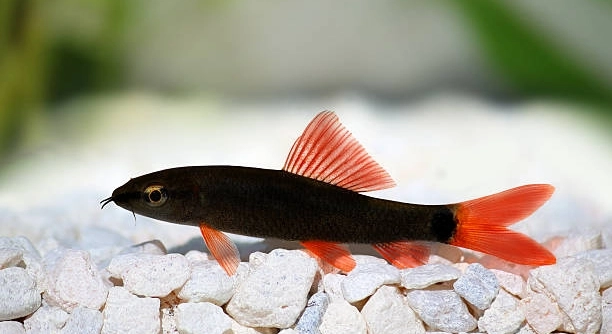
Introducing a new Rainbow Shark to your aquarium requires careful planning to ensure a smooth transition. These fish are active and territorial, so adding them properly helps maintain a peaceful tank environment. Proper introduction supports both the fish’s health and the tank’s balance.
Successful introduction of a Rainbow Shark depends on acclimation, tank size, hiding spaces, and monitoring behavior. Gradual introduction and maintaining water quality reduce stress and aggression, promoting a stable and harmonious aquatic environment for all tank inhabitants.
Following these guidelines will help your new Rainbow Shark settle comfortably while protecting existing fish. Taking the right steps early makes a positive difference in your tank’s overall health and harmony.
Prepare the Tank Properly
Before introducing a new Rainbow Shark, ensure your tank is ready. The tank should be at least 30 gallons to provide enough space. Clean the tank and check that water parameters like temperature, pH, and ammonia levels are stable and suitable for Rainbow Sharks. Adding plants and decorations will create hiding spots and reduce stress for the new fish. Avoid overcrowding, as this can increase aggression and make it harder for the Rainbow Shark to settle in. Also, make sure your existing fish are healthy and not showing signs of illness. A well-prepared tank reduces risks and helps the new fish adapt more quickly to its environment.
A clean, spacious, and stable environment supports the well-being of all fish. It also minimizes territorial disputes and stress-related behaviors.
Having a properly set-up tank is the foundation for a successful introduction. This preparation step will make the transition easier for your Rainbow Shark and keep your aquarium balanced.
Acclimate the New Fish Slowly
Acclimation is key when adding a Rainbow Shark to your tank. Start by floating the sealed bag in the tank water for about 15 to 20 minutes. This step equalizes the temperature. Then, gradually mix small amounts of tank water into the bag every 5 minutes for about 30 to 60 minutes. This process helps the fish adjust to the water chemistry slowly. Avoid pouring the bag water directly into the tank to prevent contamination. Using a net to transfer the fish reduces stress and keeps the tank clean. Moving too fast can shock the fish and cause health problems, so patience during acclimation is essential.
Slow acclimation helps Rainbow Sharks adapt without shock, reducing stress and improving survival chances. It is a simple but critical step to ensure a smooth transition.
Taking the time to acclimate your new fish properly prevents sudden changes that can harm them. A calm and careful approach will help your Rainbow Shark feel more secure and ready to explore its new home. This step also protects your existing fish by avoiding sudden changes in the tank environment. Following this process sets the stage for a peaceful and healthy community tank.
Provide Plenty of Hiding Spots
Hiding places help Rainbow Sharks feel safe and reduce aggression. Use plants, rocks, and decorations to create enough cover.
Creating multiple hiding spots gives fish space to escape and rest. This reduces stress and territorial fights. Dense planting and caves mimic their natural habitat, making them more comfortable. When new fish arrive, they often hide at first until they adjust. This behavior is normal and should be supported. It also helps maintain peace between the new Rainbow Shark and existing tank mates.
Make sure hiding spots are evenly spread around the tank. Avoid overcrowding any one area to prevent territorial conflicts. Observing where your fish spend time can guide adjustments. Over time, the Rainbow Shark will become bolder and explore more. Until then, these secure areas offer comfort and reduce tension in the tank environment.
Monitor Behavior Closely
Watch your Rainbow Shark carefully after introduction for signs of stress or aggression. Early detection prevents serious problems. Look for unusual hiding, chasing, or injuries.
Aggression can be natural but should not escalate. If the Rainbow Shark is overly aggressive, it might need more space or additional hiding spots. Stress signs include loss of appetite, rapid breathing, or lethargy. Address these quickly by adjusting water conditions or tank layout. Sometimes separating fish temporarily is necessary to restore calm. Consistent monitoring ensures the tank stays healthy and peaceful.
Pay attention to interactions between the Rainbow Shark and other fish. A balanced, well-prepared environment reduces conflict. Regular checks also help detect illnesses early. Being proactive protects all your aquatic pets and promotes a stable, thriving aquarium.
Maintain Water Quality
Clean water is essential for your Rainbow Shark’s health. Regular water changes help keep ammonia, nitrite, and nitrate levels low.
Use a reliable filter and test water parameters frequently. Stable water conditions reduce stress and prevent illness in your fish.
Feed a Balanced Diet
Rainbow Sharks need a varied diet including pellets, flakes, and occasional live or frozen foods. This supports their growth and coloration.
Avoid overfeeding to prevent water pollution. Feed small amounts two to three times daily and remove uneaten food promptly.
Avoid Overcrowding
Overcrowding increases stress and aggression among tank inhabitants. A spacious tank allows fish to establish territories and swim freely.
Keep the fish population appropriate for your tank size. This promotes a peaceful environment and supports the health of all aquatic life.
FAQ
How long does it take for a Rainbow Shark to settle into a new tank?
Rainbow Sharks usually take about one to two weeks to adjust to a new environment. During this time, they may hide more and show less activity. Providing plenty of hiding spots and maintaining stable water conditions helps speed up their comfort level. Patience is important, as rushing the process can increase stress and aggression.
Can Rainbow Sharks live with other fish?
Yes, but tank mates must be chosen carefully. Rainbow Sharks are semi-aggressive and territorial, especially in smaller tanks. Suitable tank mates include fast-swimming, peaceful fish like danios or barbs. Avoid slow-moving or long-finned fish, as Rainbow Sharks may nip at them. Providing enough space and hiding places helps reduce conflicts.
What tank size is ideal for a Rainbow Shark?
A minimum of 30 gallons is recommended for one Rainbow Shark. Larger tanks allow them to establish territories and reduce aggression. Overcrowding can lead to stress and fights, so tank size should be increased if keeping multiple fish. A bigger tank also supports better water quality and healthier fish.
What should I do if my Rainbow Shark is aggressive?
Aggression often stems from stress, lack of space, or insufficient hiding spots. First, check water quality and tank size. Adding decorations or plants can create territories and reduce fights. If aggression continues, consider separating the aggressive fish temporarily. Consistent monitoring and adjustments usually help calm behavior.
How often should I feed my Rainbow Shark?
Feed small portions two to three times daily. Overfeeding can pollute the water and cause health problems. A varied diet of pellets, flakes, and occasional live or frozen foods keeps your Rainbow Shark healthy. Remove uneaten food to maintain water quality and prevent disease.
Is it necessary to quarantine a new Rainbow Shark before adding it to the tank?
Quarantining new fish is strongly recommended. It helps prevent introducing diseases or parasites to your main tank. A quarantine period of two weeks allows you to observe the fish for signs of illness and treat them if needed. This step protects all your aquatic pets.
How do I tell if my Rainbow Shark is stressed?
Signs of stress include hiding excessively, loss of appetite, rapid breathing, or erratic swimming. Stress can result from poor water quality, bullying from other fish, or sudden changes in the environment. Addressing these issues quickly reduces the risk of illness and improves your fish’s well-being.
Can Rainbow Sharks breathe air or survive outside water briefly?
Rainbow Sharks are freshwater fish and rely on gills to breathe dissolved oxygen. They cannot breathe air and will not survive long outside of water. Ensure your tank has proper aeration and avoid leaving the fish out of water during tank maintenance.
What water temperature is best for Rainbow Sharks?
The ideal temperature range is between 72°F and 79°F (22°C to 26°C). Maintaining a stable temperature within this range supports the fish’s metabolism and immune system. Use a reliable heater and thermometer to keep conditions steady.
How do I clean the tank without stressing the Rainbow Shark?
Perform partial water changes weekly or biweekly, replacing about 25-30% of the water. Use a gravel vacuum to remove debris gently. Avoid sudden temperature or water chemistry changes. Turn off strong lights and minimize noise during cleaning to reduce stress on your fish.
Final Thoughts
Introducing a new Rainbow Shark to your aquarium takes careful preparation and patience. This fish can be a lively and beautiful addition, but it requires the right environment and proper care to thrive. Ensuring your tank is large enough, clean, and well-decorated with hiding spots will help your new Rainbow Shark feel secure. Taking the time to acclimate the fish slowly reduces stress and helps it adjust to new water conditions. These steps create a smoother transition for the fish and prevent problems that could arise from sudden changes.
It is important to watch your Rainbow Shark closely after introduction. Monitoring behavior helps you spot signs of stress or aggression early on. Stress can weaken the fish’s immune system and lead to illness, so quick action is necessary if problems appear. Providing a varied diet and avoiding overcrowding supports the health of all tank inhabitants. Keeping the water clean and maintaining stable parameters is another key to success. Good water quality reduces the risk of disease and keeps fish comfortable in their environment.
Overall, a successful introduction depends on preparation, observation, and ongoing care. Rainbow Sharks have specific needs and personalities that require attention from their owners. By following the right steps, you can create a balanced and peaceful tank where your Rainbow Shark will grow and thrive. Taking a calm and steady approach to adding new fish makes the experience more rewarding for both you and your aquatic pets. This care will ensure your tank remains a healthy and enjoyable space for all its inhabitants.

Hello,
If you enjoy the content that we create, please consider saying a "Thank You!" by leaving a tip.
Every little bit helps us continue crafting quality advice that supports the health, happiness, and well-being of pets around the world, for pets of all shapes, sizes, and species.
We really appreciate the kindness and support that you show us!