
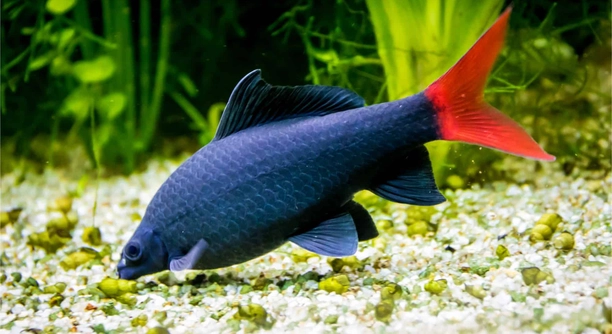
Is your rainbow shark smaller than expected, leaving you worried about its growth in your aquarium setup at home?
A rainbow shark may stop growing due to poor water quality, limited tank space, stress, or an imbalanced diet. These conditions can hinder development and lead to long-term health problems if not corrected quickly and effectively.
Understanding these possible causes will help you make the right changes and support your rainbow shark’s healthy development over time.
Poor Water Quality
Rainbow sharks need clean, stable water to grow properly. High ammonia, nitrite, or nitrate levels can stress their bodies and prevent normal development. Inconsistent pH or temperature changes can also weaken their immune system and slow growth. A poorly maintained tank often leads to discomfort, illness, and stunted size. Use a reliable testing kit at least once a week, and perform regular water changes to maintain stable conditions. Invest in a good filter to keep the tank clean and oxygenated. Even small changes in water quality can have a big impact on your fish’s ability to grow normally.
Keep the water temperature between 75–81°F, and aim for a pH of 6.5 to 7.5. These levels are ideal for rainbow sharks and support healthy growth.
Checking water parameters regularly will give you more control over your tank and help you catch issues before they affect your fish’s growth or overall health.
Tank Size and Space
Rainbow sharks need room to swim and explore. Keeping them in a small tank limits their activity and slows their growth.
A rainbow shark should be kept in a tank that holds at least 55 gallons of water. This species grows up to six inches long and becomes territorial with age. A cramped space can make the fish feel threatened, which increases stress and affects its development. If the shark constantly hides or avoids certain areas of the tank, it may be reacting to a lack of space. Rearranging decorations to reduce visual clutter and increasing open swimming areas can help. Also, avoid adding too many other bottom-dwelling fish. Overcrowding often leads to competition and can make your shark feel insecure. Choose tank mates carefully, and ensure there’s enough space for all species to swim comfortably. A larger tank encourages better movement and reduces behavioral problems, supporting more natural growth.
Stress from Tank Mates
Rainbow sharks are territorial and often react strongly to other fish in their space. Aggressive or overly active tank mates can make them feel threatened and limit their growth.
When rainbow sharks feel stressed, they often eat less and spend more time hiding, which slows development. Keeping them with calm, mid-to-top-dwelling fish helps reduce stress. Avoid pairing them with other bottom dwellers like red tail sharks or fish with similar body shapes. These combinations usually lead to chasing, fighting, or injuries. If your shark seems withdrawn or rarely comes out, it may be reacting to the presence of unsuitable tank mates. Watch for signs like fin damage or constant swimming along the glass. These behaviors often indicate discomfort. Rearranging tank decor to break up sightlines can help reduce tension. Adding plants and caves gives your shark secure hiding spots and encourages more natural, confident behavior in the tank.
If your rainbow shark lives in a crowded or aggressive tank, it’s likely dealing with chronic stress. Over time, this stress affects feeding, movement, and even immune function. In many cases, adjusting tank mates or upgrading to a larger tank improves behavior and growth. Observation is key—watching how your shark interacts will help you spot these issues early.
Inadequate Nutrition
A rainbow shark needs a varied diet to grow well and stay healthy. Feeding only one type of food can lead to nutrient deficiencies.
Stick to a mix of sinking pellets, blanched vegetables, and occasional protein like bloodworms or brine shrimp. Each type of food supports different parts of your shark’s development. Vegetables help with digestion, while protein boosts muscle growth. Feed once or twice a day, in amounts the fish can finish within a few minutes. Avoid overfeeding, as leftover food pollutes the tank. If your shark looks thin or pale, it may not be getting enough nutrition. Also check that more aggressive fish aren’t stealing food during feeding time. Using feeding rings or placing food in different parts of the tank can help with distribution. A healthy diet improves energy levels, color, and overall growth.
Nutrition plays a major role in how fast your rainbow shark develops. Even if your tank conditions are perfect, a poor diet can slow growth noticeably. If your shark is not growing as expected, examine your feeding habits. Are you offering enough variety? Are all the fish getting their share? These small details often explain the problem. A balanced diet, along with routine feeding and careful observation, can make a big difference in your shark’s size over time.
Lack of Hiding Spaces
Rainbow sharks need places to hide in order to feel secure. Without caves, plants, or decorations, they may become anxious and stressed, which can slow their growth and affect their daily behavior inside the tank.
Try adding smooth rocks, driftwood, or plants to create a few safe areas. When they feel protected, rainbow sharks tend to explore more, eat better, and show natural behavior. A secure environment can make a big difference in how they grow over time.
Juvenile Phase and Natural Growth Rate
Rainbow sharks grow slower than some other freshwater species, especially during their juvenile phase. It’s normal for them to take several months to show noticeable size changes. Growth may also slow as they approach their adult size. Unlike fast-growing fish, rainbow sharks grow steadily when conditions are right. You may not see changes week to week, but gradual growth over months is common. Keeping the tank stable and feeding a balanced diet will support this slower, more natural pace. If everything else looks healthy—clear eyes, good appetite, and normal behavior—there’s usually no cause for concern during these early stages.
Underlying Health Issues
If all tank conditions are right and your shark is still not growing, it may have an internal illness or parasite. Watch for signs like poor appetite, bloating, or unusual swimming.
FAQ
Why is my rainbow shark not growing even though I maintain good water quality?
Good water quality is essential but not the only factor affecting growth. If your rainbow shark is stressed by aggressive tank mates, overcrowding, or a lack of hiding places, growth can slow despite clean water. Nutrition also plays a major role. A diet lacking variety or proper nutrients will hinder development. Finally, consider the fish’s age—juveniles grow slowly and unevenly at times. Monitoring all these aspects together helps identify the real cause.
How can I improve my rainbow shark’s diet to support growth?
Offer a balanced diet with sinking pellets formulated for carnivorous fish, supplemented by blanched vegetables like zucchini or spinach. Add occasional protein treats such as bloodworms or brine shrimp. Feeding once or twice daily in small amounts ensures proper digestion and reduces waste buildup. Avoid overfeeding, which leads to poor water quality and health issues. Feeding in different tank areas helps prevent food stealing by other fish, ensuring your shark gets enough.
What tank size is ideal for a rainbow shark to grow properly?
A minimum of 55 gallons is recommended for a single rainbow shark. Larger tanks provide enough swimming space and reduce territorial stress, allowing normal growth. Smaller tanks cause crowding and limit activity, which negatively impacts size and health. If you keep more than one rainbow shark, increase tank size accordingly to prevent stress and aggressive behavior.
Can stress really affect the growth of my rainbow shark?
Yes, chronic stress from aggressive tank mates, constant chasing, or poor environment leads to reduced appetite and weakened immunity. This slows growth and increases vulnerability to disease. Creating a calm, well-structured tank with plenty of hiding places helps reduce stress and supports healthier development.
How long does it take for a rainbow shark to reach full size?
Rainbow sharks grow slowly and reach their full size of about six inches in approximately 12 to 18 months. Growth rates vary depending on diet, tank conditions, and genetics. Juvenile growth may seem slow, but steady improvements over months are typical.
Could health problems cause my rainbow shark to stop growing?
Yes, internal parasites, infections, or organ issues can stunt growth. Watch for symptoms like poor appetite, lethargy, bloating, or abnormal swimming patterns. Early diagnosis and treatment by a vet or experienced aquarist are crucial for recovery and resuming healthy growth.
Is tank decoration important for my rainbow shark’s growth?
Decorations create hiding spots and reduce territorial aggression. When your shark feels secure, it spends more time exploring and eating, which supports growth. A tank with smooth rocks, caves, and plants provides comfort and encourages natural behaviors that help maintain health.
How often should I test the water for my rainbow shark’s growth?
Test water parameters weekly, including ammonia, nitrite, nitrate, pH, and temperature. Stable, clean water supports normal growth and reduces stress. Frequent testing allows quick detection of changes that could impact your fish’s development. Regular water changes and good filtration complement monitoring efforts.
Can overcrowding prevent my rainbow shark from growing?
Yes, overcrowded tanks cause stress and competition for food and space. This environment leads to poor health and stunted growth. Providing adequate space for each fish reduces aggression and allows more natural swimming, feeding, and resting behaviors that promote proper development.
What signs indicate my rainbow shark is healthy and growing well?
A healthy rainbow shark shows bright colors, clear eyes, active swimming, and a good appetite. Growth is gradual but consistent, with no signs of injury or illness. Normal behavior includes exploring the tank, defending territory calmly, and feeding readily during feeding times.
Final Thoughts
Rainbow sharks require specific care to grow well and stay healthy. Their growth depends on a combination of factors, including water quality, tank size, diet, and the environment you provide. Keeping water clean and stable is the foundation of good care. Testing water regularly and performing consistent water changes help prevent harmful conditions. A large enough tank with space to swim reduces stress and encourages natural behavior. When these basics are met, your rainbow shark is more likely to grow steadily and show vibrant colors.
Feeding a balanced diet is equally important for supporting growth. Rainbow sharks need a mix of sinking pellets, fresh vegetables, and occasional protein treats to get all the nutrients they require. Overfeeding or feeding only one type of food can lead to health problems and slow development. Also, pay attention to how your shark interacts with other tank mates. Avoid overcrowding and aggressive fish that may cause stress or competition for food. Creating hiding spaces with plants and decorations gives your rainbow shark comfort and security, reducing anxiety and promoting well-being.
Sometimes slower growth is natural, especially in young or juvenile fish. However, if your rainbow shark shows signs of illness or continues to stay small despite good care, health issues could be involved. Monitoring behavior, appetite, and physical condition helps detect problems early. When you understand these key factors and regularly care for your aquarium, you give your rainbow shark the best chance to thrive and grow properly. Consistency and observation are essential for maintaining a healthy environment where your fish can reach its full potential.

Hello,
If you enjoy the content that we create, please consider saying a "Thank You!" by leaving a tip.
Every little bit helps us continue crafting quality advice that supports the health, happiness, and well-being of pets around the world, for pets of all shapes, sizes, and species.
We really appreciate the kindness and support that you show us!