
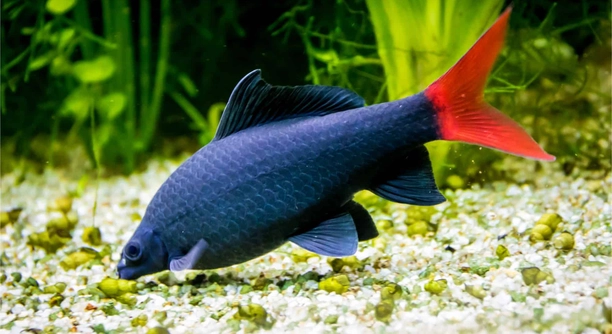
Rainbow sharks are popular aquarium fish known for their striking colors and peaceful nature. Many owners want to ensure their fish feel safe and comfortable in their tanks. Recognizing signs of stress can help maintain a healthy environment for these fish.
Rainbow sharks exhibit several behavioral and physical signs when they feel unsafe. Common indicators include hiding frequently, sudden changes in swimming patterns, loss of appetite, faded colors, and increased aggression or skittishness. These signs suggest the fish is experiencing stress or discomfort in its habitat.
Learning to spot these signs early can improve your rainbow shark’s well-being. Keeping an eye on their behavior helps create a more secure and happy environment for your aquatic pet.
Signs of Hiding and Avoidance
When your rainbow shark feels unsafe, it often hides more than usual. You may notice it spending a lot of time behind decorations, plants, or inside caves. This behavior shows the fish is trying to escape what it perceives as threats. Avoidance is a natural defense mechanism. If the tank has too much activity or other aggressive fish, your rainbow shark might feel the need to stay hidden. Over time, constant hiding can affect its health and appetite. It’s important to provide plenty of safe spaces but also observe if the hiding is excessive. Reducing stress factors, like overcrowding or sudden changes in the tank environment, can help your fish feel more secure and spend more time swimming freely.
Excessive hiding is a clear sign your rainbow shark is uncomfortable and needs adjustments in its habitat or tank mates.
Creating a balanced environment with enough hiding spots, stable water conditions, and compatible fish will help reduce stress. Watch your rainbow shark gradually explore more, showing it feels safer. Keep water clean and temperature steady. Avoid sudden loud noises or tapping on the glass. These small changes help your fish regain confidence and enjoy its space.
Changes in Swimming Behavior
Unusual swimming patterns often indicate discomfort. A rainbow shark that darts frantically, swims erratically, or stays still for long periods might be feeling unsafe. These behaviors suggest stress or illness. Sometimes, a stressed fish will swim near the surface or the bottom more than usual. It may also avoid other fish or the open areas of the tank.
Erratic or slow swimming is a sign of distress and may require attention to water quality, tank setup, or fish health.
If your rainbow shark’s swimming changes suddenly, test the water for ammonia, nitrites, or nitrates, as poor water quality often causes stress. Check the tank’s temperature and ensure it matches the species’ needs. Remove aggressive tank mates or overcrowding if necessary. Offering plants and caves gives your shark secure spots to rest. Keep feeding consistent with quality food to maintain strength. Regular maintenance and observation can prevent long-term problems. Your fish will benefit from a calm, stable environment where it can swim naturally and confidently.
Loss of Appetite
A rainbow shark that feels unsafe often loses interest in food. It may refuse to eat during feeding times or only nibble slightly. This is a common sign of stress or discomfort. Ignoring this behavior can lead to health problems.
Loss of appetite usually signals that the fish is stressed or not feeling well. Stress from poor water quality, aggressive tank mates, or sudden changes in the environment can cause this. When the fish stops eating, it weakens and becomes vulnerable to illness. Monitoring water parameters and tank conditions is essential to prevent long-term issues. Try offering high-quality food or live treats to encourage eating. Patience is important, as a stressed fish might take time to return to normal feeding habits once conditions improve.
Sometimes, the problem is related to diet variety. Rainbow sharks need a balanced diet including algae, pellets, and occasional protein. Offering a mix can stimulate appetite and support health. Observing your fish’s eating habits regularly helps catch issues early and maintain their well-being.
Faded Colors and Dull Appearance
When a rainbow shark feels unsafe, its bright colors may fade or become dull. This change in appearance is a physical sign of stress and poor health. It can also mean the fish is not getting enough nutrients or is experiencing water quality issues.
Faded colors indicate the fish is under stress and possibly fighting illness. Stress weakens their immune system, making them more vulnerable. Checking water conditions is the first step, as ammonia spikes or high nitrate levels often cause color loss. Ensuring a stable, clean environment with proper lighting helps maintain vibrant colors. Nutrition plays a key role, so feeding a varied diet rich in vitamins supports their natural brightness.
Sometimes, a rainbow shark’s color changes due to aging or breeding phases, but if it stays dull, it’s important to act. Adjusting tank conditions and diet promptly can help restore its health and appearance.
Increased Aggression
When a rainbow shark feels unsafe, it may act more aggressively toward other fish. This behavior is a way to protect its space or show stress. Aggression can lead to injuries if not addressed quickly.
Aggressive behavior often means the fish feels threatened or overcrowded. Adjusting tank size or rearranging decorations can help reduce tension among tank mates.
Erratic Swimming Patterns
Erratic swimming in a rainbow shark often points to stress or illness. Sudden jerks, spinning, or swimming in circles can indicate discomfort or water quality issues. It may also be a sign of parasites or injury. Regularly checking water parameters and observing behavior is crucial for early detection and treatment.
Excessive Gill Movement
Heavy or fast gill movement suggests the fish is struggling to breathe. Poor water oxygen levels or ammonia buildup can cause this. Monitoring tank conditions helps keep your rainbow shark comfortable and healthy.
How can I tell if my rainbow shark is stressed?
Signs of stress in a rainbow shark include hiding frequently, loss of appetite, faded colors, aggressive behavior, and erratic swimming. You might also notice heavy breathing or increased gill movement. These behaviors show your fish is uncomfortable or feeling unsafe. Stress usually results from poor water quality, aggressive tank mates, overcrowding, or sudden changes in the tank environment.
What should I do if my rainbow shark hides all the time?
If your rainbow shark hides excessively, first check the tank conditions. Ensure the water parameters are stable and the tank isn’t overcrowded. Provide enough hiding spots like caves or plants, but make sure your fish still has room to swim freely. Avoid sudden noises or tapping on the glass, as these can increase stress. If aggression from other fish is a problem, consider rearranging or separating tank mates.
Why is my rainbow shark refusing to eat?
Refusal to eat often means the fish is stressed or sick. Check water quality immediately, as poor conditions can cause appetite loss. Also, review your feeding routine—offering a balanced diet with pellets, algae, and occasional protein helps maintain interest. If the fish continues to avoid food, look for signs of illness or parasites and treat accordingly.
How important is water quality for my rainbow shark’s safety?
Water quality is crucial for your rainbow shark’s well-being. High ammonia, nitrites, or nitrates cause stress and health problems. Regular testing and maintenance keep these chemicals in safe ranges. Stable temperature and oxygen levels also support your fish’s comfort. Clean, balanced water reduces stress and prevents many common illnesses.
Can tank mates make my rainbow shark feel unsafe?
Yes, aggressive or overly active tank mates can make your rainbow shark feel threatened. This may lead to hiding, aggression, or stress behaviors. Choose peaceful, compatible fish and avoid overcrowding. Monitor interactions closely and separate fish if bullying or fighting occurs. A calm community tank helps all fish feel safe.
How long does it take for a stressed rainbow shark to recover?
Recovery time varies depending on the cause and severity of stress. If water conditions improve and stressors are removed, some fish bounce back within days. More serious health issues may require weeks of care. Consistent tank maintenance, a good diet, and a calm environment speed up recovery. Patience and careful observation are key.
Are there signs of illness that look like my fish feels unsafe?
Yes, some illness symptoms overlap with stress signs, like faded colors, loss of appetite, and erratic swimming. Diseases such as ich or fin rot cause discomfort and fear in fish. If stress behaviors persist despite good tank conditions, inspect your fish closely for spots, lesions, or abnormal growths and treat accordingly.
Can changing the tank environment help my rainbow shark feel safer?
Adjusting the tank setup often helps. Adding more hiding spots or rearranging decorations can reduce stress. Avoid sudden or frequent changes, as stability is important. Keeping the tank clean and stable in temperature also improves comfort. Sometimes, small tweaks make a big difference in your fish’s sense of security.
What is the best diet to keep my rainbow shark healthy and stress-free?
A balanced diet includes high-quality pellets designed for omnivores, supplemented with algae wafers and occasional live or frozen protein like bloodworms. Variety keeps your fish interested and supports overall health. Avoid overfeeding, which can pollute the tank and cause stress. Feeding small amounts twice daily works well.
Is it normal for rainbow sharks to be shy or aggressive sometimes?
Rainbow sharks can be naturally shy, especially in new environments. Mild aggression can also appear during territory disputes. However, constant hiding or persistent aggression usually signals stress or poor conditions. Understanding your fish’s behavior helps you provide a stable, peaceful tank where it can thrive.
Final thoughts on caring for your rainbow shark focus on paying close attention to its behavior and environment. These fish are sensitive to changes and can show signs of feeling unsafe in many ways. Watching for hiding, changes in swimming, loss of appetite, or color fading helps you catch problems early. The sooner you notice these signs, the better chance your fish has to recover and stay healthy. Maintaining a clean and stable tank environment is key to reducing stress and keeping your rainbow shark comfortable.
Water quality is one of the most important factors to monitor regularly. Poor water conditions can quickly cause stress, illness, and unsafe feelings for your fish. Test the water often for ammonia, nitrites, nitrates, and pH levels, and perform partial water changes as needed. Keeping the temperature steady and providing enough oxygen through proper filtration and aeration will also help your rainbow shark feel secure. It is better to keep things consistent and avoid sudden changes that can upset your fish.
Finally, consider the tank setup and tank mates carefully. Rainbow sharks need enough space to swim and places to hide. Overcrowding or aggressive fish nearby can make them feel threatened. Providing hiding spots like caves, plants, or decorations gives them a sense of safety. Choosing peaceful fish that share similar water needs will reduce stress and aggression in the tank. With attention to these details, your rainbow shark will feel safer, healthier, and more at ease in its home.

Hello,
If you enjoy the content that we create, please consider saying a "Thank You!" by leaving a tip.
Every little bit helps us continue crafting quality advice that supports the health, happiness, and well-being of pets around the world, for pets of all shapes, sizes, and species.
We really appreciate the kindness and support that you show us!