
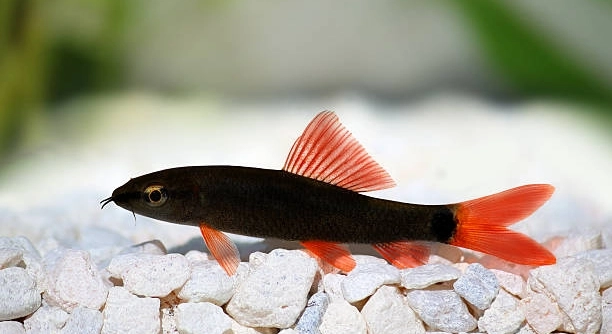
Rainbow Sharks are popular aquarium fish known for their bright colors and active behavior. Sometimes, they show signs of aggression that can surprise their owners. Understanding why they act this way is important for keeping a peaceful tank environment.
Aggressive behavior in Rainbow Sharks typically results from territorial disputes, overcrowding, poor water conditions, insufficient hiding spaces, or stress caused by incompatible tank mates or sudden changes in their environment. Managing these factors helps reduce aggression.
Knowing the reasons behind this behavior can improve your fish’s wellbeing and make your aquarium a more enjoyable space for everyone involved.
Territorial Behavior
Rainbow Sharks naturally claim parts of the tank as their own. When they feel their space is being invaded, they may act aggressively toward other fish. This is especially true in smaller tanks where space is limited. A Rainbow Shark’s need for territory is strong, and without enough room, they become stressed and more likely to fight. Providing plenty of hiding spots and visual barriers can help reduce these conflicts. It’s important to watch for signs like chasing, nipping, or flaring fins, which indicate territorial disputes. Keeping a close eye on tank dynamics can help you intervene before aggression escalates.
This behavior is common and can usually be managed by giving each fish enough space.
Maintaining a larger tank with sufficient hiding places allows Rainbow Sharks to establish territories without constant confrontation. Visual breaks, such as plants or decorations, help reduce direct sightlines, calming aggressive instincts. Regular monitoring and rearranging the tank can keep things balanced, giving your fish a peaceful environment to thrive in.
Overcrowding and Tank Size
An overcrowded tank stresses Rainbow Sharks and increases aggression. Too many fish compete for limited space, food, and oxygen, which heightens tension.
A tank that is too small forces your Rainbow Shark into constant close contact with others. This pressure triggers defensive and aggressive behaviors. Overcrowding also worsens water quality, further stressing fish. To reduce aggression, ensure your tank size matches the number and size of your fish. A general rule is to have at least 20 gallons for one Rainbow Shark, with extra space for tank mates. Overcrowding leads to constant skirmishes and can injure your fish, so it’s vital to maintain proper stocking levels. Proper filtration and regular water changes also support a healthy environment. Taking these steps helps your Rainbow Shark feel less threatened and act calmer overall.
Poor Water Quality
Poor water quality causes stress, which leads to aggressive behavior in Rainbow Sharks. High ammonia or nitrate levels irritate the fish and disrupt their natural balance.
Maintaining clean water is crucial. Regular water changes and proper filtration remove harmful toxins and keep the environment stable. Testing water parameters often helps catch problems early. When water quality drops, Rainbow Sharks may become more defensive or aggressive as a response to discomfort. Stress weakens their immune system and changes their behavior patterns, making aggression more common. Keeping the tank clean and well-maintained supports peaceful fish interactions.
Healthy water conditions reduce stress and aggression, helping your Rainbow Shark stay calm and active.
Lack of Hiding Spaces
Rainbow Sharks need hiding spots to feel secure. Without places to retreat, they become nervous and aggressive toward tank mates.
Adding plants, rocks, or decorations creates safe zones. These areas give your fish a chance to escape when feeling threatened. When hiding spots are limited, fish feel exposed and stressed, which increases hostility. Providing enough shelter mimics their natural habitat and helps balance social interactions. It allows Rainbow Sharks to rest without constant confrontation.
A well-structured tank with ample hiding places encourages calmer behavior and lowers the chances of fights breaking out. This simple change makes a big difference in keeping peace in your aquarium.
Incompatible Tank Mates
Rainbow Sharks can become aggressive if housed with fish that don’t get along well. Aggression often arises from competition or stress caused by incompatible species.
Choosing peaceful tank mates reduces conflicts. Avoid fin-nippers or overly territorial fish to maintain harmony in the aquarium.
Sudden Changes in Environment
Changes like moving the tank, rearranging decorations, or fluctuating water conditions can unsettle Rainbow Sharks. These sudden shifts cause stress, leading to aggressive behavior. Consistency is important for their comfort. Keeping the environment stable helps prevent unnecessary fighting and promotes calm interactions among fish.
Hunger and Feeding Issues
If Rainbow Sharks are not fed enough or if food is unevenly distributed, they may act aggressively. Hunger makes them compete fiercely during feeding times. Ensuring regular, balanced meals helps minimize this competition and aggression in the tank.
FAQ
Why is my Rainbow Shark constantly chasing other fish?
Rainbow Sharks are territorial by nature and often chase other fish to defend their space. This behavior is common in smaller tanks or when hiding spots are limited. They see other fish as intruders and try to push them away. Increasing the tank size or adding more decorations can help reduce chasing.
How big should my tank be to keep a Rainbow Shark calm?
A minimum of 20 gallons is recommended for one Rainbow Shark, but larger tanks work best. More space reduces competition and stress, which lowers aggressive behavior. If you keep multiple fish, increase the tank size accordingly to avoid overcrowding.
Can Rainbow Sharks live peacefully with other fish?
Yes, they can live with peaceful, fast-swimming fish that do not invade their territory. Avoid slow or long-finned species, as these may trigger aggression. Good tank mates include danios, barbs, and certain tetras. Always monitor interactions to ensure harmony.
What water conditions help reduce aggression in Rainbow Sharks?
Stable water conditions are key. Maintain temperature between 72-79°F (22-26°C), pH between 6.5 and 7.5, and low ammonia or nitrate levels. Use a good filter and perform regular water changes to keep water clean and comfortable for your fish.
How often should I feed my Rainbow Shark?
Feed your Rainbow Shark once or twice a day with high-quality pellets, flakes, or frozen foods. Overfeeding can cause water quality issues, while underfeeding can increase aggression during feeding time. Spread food evenly to prevent fights.
Why do Rainbow Sharks nip fins?
Fin-nipping usually happens due to stress, overcrowding, or lack of hiding places. It’s a way to assert dominance or defend territory. Reducing tank population and adding decorations can minimize fin-nipping behavior.
What signs show my Rainbow Shark is stressed?
Look for rapid breathing, hiding constantly, loss of color, or aggressive chasing. Stress often leads to illness, so acting quickly by improving tank conditions is important for your fish’s health.
Can rearranging the tank cause aggression?
Yes, sudden changes to the tank setup can stress Rainbow Sharks and cause temporary aggression. They rely on familiar territory and hiding spots. Make changes slowly and observe their behavior afterward to help them adjust.
Is it normal for Rainbow Sharks to be aggressive at night?
Rainbow Sharks can be more active and territorial during low light or at night. This is natural but should not lead to constant fighting. If aggression worsens, check for overcrowding or poor water quality as possible causes.
How can I safely introduce new fish with a Rainbow Shark?
Introduce new fish slowly and provide extra hiding spots. Quarantine new fish before adding them to the tank. Monitor closely for aggressive behavior and be ready to separate fish if needed to prevent harm.
Final Thoughts
Rainbow Sharks are beautiful and active fish that can bring life to your aquarium. However, their natural instincts sometimes lead to aggressive behavior, which can be frustrating. Understanding the reasons behind their actions is the first step in managing their behavior effectively. Whether it’s due to territorial needs, overcrowding, poor water quality, or stress from sudden changes, knowing these causes helps you create a better environment for your fish. Taking the time to adjust tank conditions can make a big difference in reducing aggression and promoting harmony.
Maintaining a healthy tank environment is key to keeping your Rainbow Shark calm and happy. This means providing enough space, clean water, and plenty of hiding spots for your fish to feel secure. Choosing compatible tank mates and feeding your fish properly are also important factors. When the conditions are right, Rainbow Sharks are less likely to act out aggressively. Regular monitoring and small adjustments help you notice any changes early and prevent problems from getting worse. Your fish’s wellbeing depends on consistent care and attention.
Aggression in Rainbow Sharks can be managed with patience and good practices. It’s normal for these fish to show some territorial behavior, but it shouldn’t cause constant stress or injury to other tank mates. By addressing the common reasons behind aggression, you can enjoy a more peaceful aquarium. Remember that every tank is unique, so observe your fish closely and adjust care as needed. With the right setup and care, your Rainbow Shark can thrive alongside other fish in a balanced and healthy environment.

Hello,
If you enjoy the content that we create, please consider saying a "Thank You!" by leaving a tip.
Every little bit helps us continue crafting quality advice that supports the health, happiness, and well-being of pets around the world, for pets of all shapes, sizes, and species.
We really appreciate the kindness and support that you show us!