
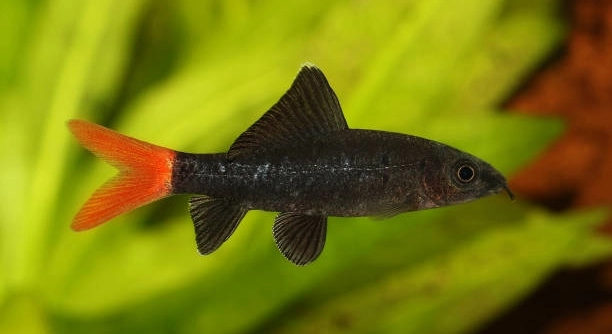
Is your rainbow shark eating more than it should, leaving you worried about its long-term health and well-being in the tank?
The most effective way to prevent your rainbow shark from overeating is by establishing a consistent feeding schedule and portion control. Monitoring its behavior during meals can also help reduce unnecessary or excessive food consumption.
Creating the right balance in feeding helps support your fish’s health, promotes better water quality, and leads to a more peaceful tank environment.
Set a Consistent Feeding Schedule
Feeding your rainbow shark at the same time every day helps create structure and prevents overfeeding. Fish can quickly learn routines and may beg for food out of habit rather than hunger. By feeding once or twice a day at regular times, you reduce the risk of offering too much food. It also helps you monitor your fish’s behavior more closely and notice changes in appetite or activity. Feeding should take no longer than two minutes, and any leftover food should be removed quickly. This keeps the tank clean and supports a healthy environment. Sticking to a feeding routine encourages your rainbow shark to eat appropriately and feel secure in its environment. Regularity also reduces competition and stress during feeding, which is important if your tank includes other fish. Keeping things predictable leads to better feeding habits, a cleaner tank, and a healthier fish overall.
Feed once or twice a day at the same time. Observe how much is eaten and clean up any leftovers right away.
Establishing a schedule also helps prevent confusion between feeding time and curiosity. Rainbow sharks are active and may swim toward you when you approach the tank, making it seem like they’re always hungry. Having a fixed routine lets them associate food with specific times instead of begging for snacks throughout the day. Avoid feeding them based on these behaviors, as it only encourages overeating. Pay attention to how long they take to eat and resist the urge to feed again if they finish quickly. Staying consistent helps avoid bad habits and supports long-term health.
Watch Portion Sizes Closely
Rainbow sharks don’t need large amounts of food. A small pinch of flakes or pellets is usually enough per feeding.
Overfeeding can lead to bloating, poor water quality, and health problems. It’s easy to think they need more just because they eat quickly, but fish often consume what’s in front of them without realizing it’s too much. Always feed small amounts and wait a few minutes before offering more. A good rule is to feed an amount they can finish in under two minutes. If food is left floating or sinking, it’s a sign you gave too much. Uneaten food also breaks down and adds waste to the tank, making maintenance harder and increasing the chance of illness. Try using a feeding spoon or measuring scoop to control portions. Some fish keepers also recommend pre-soaking dry food so it expands before entering the tank, reducing the chance of digestive trouble. Feeding small, measured portions is key to keeping your rainbow shark healthy and your tank in good shape.
Avoid Feeding Out of Boredom
It’s easy to assume your rainbow shark wants food when it swims up to the glass, but this behavior is often curiosity, not hunger.
Feeding based on movement or interaction can lead to overeating. Fish respond to light, movement, and even your presence, which makes them seem like they’re asking for food. It’s important not to use food as a way to interact with your rainbow shark. Instead, try adding decorations, hiding spots, or gentle water flow to give them stimulation. These changes keep them mentally active and reduce the chance of boredom being mistaken for hunger. Feeding should only happen during scheduled times, no matter how eager they appear. This builds healthy habits and helps you avoid accidentally giving too much. Providing structure also prevents stress-related behavior, which can sometimes be triggered by poor feeding routines or frequent changes.
Try using floating plants or rearranging tank items to create new interest without adding extra food.
Avoid giving snacks or treats outside regular meals. Even small extra feedings can slowly affect your fish’s health and your tank’s water balance. If you feel tempted to give them something, take a moment to observe their behavior. Are they exploring, or just reacting to your presence? Watch for signs of true hunger like aggressive searching at the bottom or leftover food from the last feeding. These small cues help you make better choices when it comes to feeding. Consistent, controlled feeding times paired with tank enrichment can go a long way in keeping your rainbow shark from eating more than it needs.
Choose the Right Type of Food
Stick to species-appropriate food designed for bottom dwellers or omnivorous fish. Not all fish foods support the dietary needs of a rainbow shark.
Feeding high-quality pellets or wafers helps avoid nutritional imbalances that might lead to overeating. When fish don’t get the nutrients they need, they may feel hungry more often. Look for foods with a balance of protein and plant matter. Avoid over-relying on flakes, which dissolve quickly and can foul the water. Occasionally, you can add blanched vegetables like zucchini or peas to vary their diet. Avoid fatty or overly processed treats, as they may encourage poor eating habits. Use sinking foods that settle at the bottom of the tank, since rainbow sharks naturally feed lower in the water column. This reduces stress during mealtime and helps ensure they eat at their own pace without competing with mid-level feeders. Giving them the right kind of food supports their health and reduces unnecessary grazing behavior between meals.
Limit Treats and Live Foods
Treats and live foods should be given sparingly. While they can be healthy in moderation, too many extras can disrupt a balanced diet and lead to overeating.
Only offer treats once or twice a week. Stick to small portions and avoid feeding them on top of regular meals.
Keep Tank Mates in Mind
Aggressive or fast-eating tank mates can trigger competitive behavior in rainbow sharks, causing them to eat quickly or more than they need. Feeding all fish at the same time and in separate areas of the tank helps reduce tension. Choose peaceful tank mates that don’t crowd or intimidate during mealtime. Use sinking food for your rainbow shark and floating food for top dwellers to divide feeding zones. If needed, use a feeding ring or spot-feed in hidden areas. Proper feeding strategies based on tank dynamics help prevent stress and reduce overeating caused by competition or anxiety.
Observe Their Behavior After Feeding
Watch how your rainbow shark behaves after each meal. Signs of restlessness, bloating, or searching for more food may mean it was overfed.
FAQ
How often should I feed my rainbow shark?
Feeding your rainbow shark once or twice a day is enough. The key is to be consistent with the timing and amount. Choose a time when the tank is calm, and avoid feeding during times of tank cleaning or stress. Feed only what can be eaten in under two minutes, and remove leftovers to maintain water quality. Feeding too often or without a routine can easily lead to overeating and health problems. A well-fed rainbow shark with a routine tends to show more stable behavior and better coloration.
How do I know if my rainbow shark is overeating?
Signs of overeating include bloating, sluggish swimming, resting more often, or showing less interest in food. You may also notice increased waste in the tank or cloudy water from leftover food. Sometimes, your fish may still act hungry even after eating, but that doesn’t mean it needs more food. Trust your feeding schedule and portion size. Monitoring these signs daily can help you make adjustments before a bigger health problem develops. If you’re unsure, reduce the amount slightly and watch for improvements over the next few days.
Can rainbow sharks go a day without food?
Yes, rainbow sharks can safely go a day without eating. In fact, skipping a day occasionally can help regulate digestion and prevent overeating. If you’re away or unsure about feeding, it’s better to skip a day than risk overfeeding. Healthy adult rainbow sharks are hardy and can handle short gaps in feeding without any issue. Just avoid making it a frequent habit and keep your schedule consistent most of the time.
Should I feed my rainbow shark vegetables?
Yes, vegetables like zucchini, spinach, cucumber, and peas can be a healthy addition to your rainbow shark’s diet. Blanch them first so they sink and soften. Vegetables help provide fiber and prevent digestive issues. However, only offer small amounts once or twice a week. Remove any uneaten pieces after a few hours to prevent them from spoiling in the water. These additions help round out their diet and reduce the chance of overeating processed fish food.
Is it okay to feed rainbow sharks live food?
Live food like bloodworms or brine shrimp can be used occasionally, but not as a regular meal. They are high in protein and should be treated more like a treat than a staple. Too much live food can lead to aggressive behavior and overeating. Offer it once a week at most and in small quantities. Always source live food from safe, reliable suppliers to avoid parasites or contamination in the tank.
Why does my rainbow shark act hungry all the time?
Rainbow sharks are naturally active and may seem hungry just because they swim to the glass when they see you. This is often a learned behavior rather than true hunger. Stick to your feeding schedule and resist giving in. Constant “begging” is common and doesn’t mean they need more food. If you’re unsure, check their body shape, activity level, and the tank’s cleanliness. Those signs will tell you more than their swimming pattern.
What should I do if I accidentally overfeed?
If you overfeed, remove any uneaten food right away using a net or siphon. Test the water for ammonia or nitrate spikes. You may need to do a partial water change depending on the level of waste. Resume normal feeding the next day, but with a slightly smaller amount. Keep an eye on your rainbow shark for signs of bloating or distress. Overfeeding once isn’t likely to cause serious harm, but regular overfeeding can build up and lead to long-term problems.
Final Thoughts
Feeding your rainbow shark the right way helps support its health and the overall balance of your tank. Overeating can lead to a number of issues, including bloating, stress, and poor water quality. By keeping meals simple, consistent, and portioned correctly, you avoid unnecessary risks. A feeding schedule is one of the easiest and most helpful habits to build. It helps your fish feel secure and teaches it not to expect food every time it sees movement outside the tank. Once you set a routine, feeding becomes less stressful for both you and your rainbow shark.
A healthy diet is not just about how much food you give, but also what kind of food you choose. Rainbow sharks need a mix of nutrients from both protein and plants. Avoid feeding them the same thing every day or giving them treats too often. Using sinking pellets, blanched vegetables, and small portions of live or frozen food helps create a balanced diet. It’s also helpful to feed based on their behavior and size. Younger fish may need slightly different amounts than adults, and changes in appetite can be a sign of stress or illness. Pay attention to how your fish acts after feeding, and make small adjustments if needed.
Taking a little extra time to observe your rainbow shark during and after feeding can make a big difference. If your fish seems restless or bloated, it’s worth reviewing how often and how much you are feeding. Don’t let begging behaviors or tank activity convince you to feed more. Sticking to a steady plan and avoiding extra snacks will help keep things under control. A healthy rainbow shark will show smooth swimming patterns, steady energy, and a full but not bloated body shape. With the right feeding habits in place, your fish will not only look better but will also feel better in its environment. Simple steps can lead to long-term health, and avoiding overeating is one of the most important things you can do.

Hello,
If you enjoy the content that we create, please consider saying a "Thank You!" by leaving a tip.
Every little bit helps us continue crafting quality advice that supports the health, happiness, and well-being of pets around the world, for pets of all shapes, sizes, and species.
We really appreciate the kindness and support that you show us!