
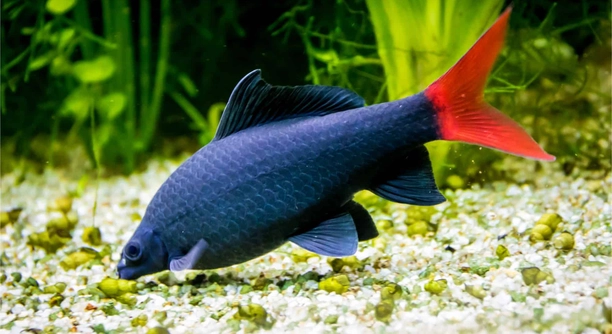
Rainbow sharks are popular freshwater fish known for their striking colors and active behavior. Many fishkeepers enjoy having them in their tanks but want to ensure they stay healthy and vibrant over time. Proper care and attention are essential for their wellbeing.
Maintaining a healthy rainbow shark requires consistent water quality management, a balanced diet, and an appropriately sized tank. Additionally, minimizing stress by providing hiding spaces and avoiding aggressive tankmates helps support their overall health and longevity.
Following simple but effective care guidelines will help your rainbow shark thrive and remain a lively addition to your aquarium. Keeping these tips in mind can make a noticeable difference in your fish’s wellbeing.
Proper Tank Size and Setup
A rainbow shark needs enough space to swim freely and establish its territory. A tank that is too small can cause stress and aggressive behavior. Ideally, a minimum of 30 gallons is recommended for one rainbow shark. The tank should have smooth decorations and plenty of hiding spots using plants, rocks, or caves. These hiding spots allow the fish to feel secure and reduce stress. Clean, well-filtered water is essential. Use a filter that provides gentle water flow since strong currents can tire the fish. The temperature should be kept between 72 and 79°F (22–26°C), with a pH level around 6.5 to 7.5. Regular water changes help keep ammonia and nitrite levels low, which is vital for their health. Monitoring these parameters regularly helps maintain a stable environment for your rainbow shark.
Proper tank conditions contribute significantly to a rainbow shark’s well-being and longevity in your aquarium.
Providing the right environment from the start prevents many common health issues. Remember that a comfortable, well-maintained tank reduces stress and encourages natural behavior. A peaceful setup also makes it easier for the fish to coexist with other species. Avoid overcrowding and aggressive tankmates to prevent injuries. Taking the time to set up the right home ensures your rainbow shark stays active and healthy. This care approach allows you to enjoy watching its bright colors and playful movements every day.
Balanced Diet and Feeding
Feeding rainbow sharks a varied diet is key to their health. They are omnivores and require both plant matter and protein. A staple diet can include high-quality sinking pellets designed for bottom feeders, supplemented by occasional treats like bloodworms or brine shrimp. Fresh vegetables such as zucchini or spinach, blanched to soften, add necessary nutrients and fiber. Overfeeding can lead to poor water quality and health problems, so feed small amounts twice a day. Remove uneaten food to keep the tank clean. Proper nutrition supports vibrant colors, strong immune function, and normal growth.
Offering a balanced diet helps maintain your rainbow shark’s energy and natural behavior in the tank.
Feeding routines are important for maintaining water quality. Uneaten food decomposes and produces harmful substances that stress the fish. Keep feeding amounts controlled and adjust portions as your fish grows. Supplementing with fresh vegetables mimics natural foraging and provides essential vitamins. Rotate protein sources to prevent nutritional gaps. With attention to diet, your rainbow shark will display brighter colors and more activity. A healthy diet reduces disease risk, making your care efforts worthwhile. Consistency in feeding habits promotes a stable aquarium environment that benefits all inhabitants.
Monitoring Water Quality
Regularly testing the water is vital for keeping your rainbow shark healthy. Parameters like ammonia, nitrites, nitrates, pH, and temperature need close attention. Sudden changes can stress the fish or cause illness.
Using a reliable test kit helps you track water quality consistently. Ammonia and nitrites should always be at zero, while nitrates should stay below 20 ppm. Keep pH stable between 6.5 and 7.5. Temperature fluctuations can weaken your fish’s immune system, so maintain a steady range between 72 and 79°F (22–26°C). Performing partial water changes weekly removes toxins and replenishes minerals essential for your fish’s health. Keeping these factors steady prevents common diseases and promotes a balanced aquarium environment.
Monitoring water quality also helps catch problems early. If you notice cloudy water, foul smells, or unusual fish behavior, test the water immediately. Quick action can save your rainbow shark from potential harm. Keeping a log of water test results allows you to see trends and act before issues worsen. Proper maintenance ensures a safe and comfortable home for your fish.
Stress Reduction Strategies
Stress can lead to illness and shorter lifespans for rainbow sharks. Minimizing stress involves providing hiding places, keeping a consistent environment, and avoiding aggressive tankmates. A peaceful setup is essential.
Stable conditions and gentle handling reduce stress. Avoid sudden changes in water parameters, loud noises, or tapping on the glass. Rainbow sharks are territorial and may become aggressive if housed with similar or overly active fish. Choose calm tankmates that coexist peacefully. Limit overcrowding, which causes competition and stress. Use plants and decorations to create natural barriers and hiding spots.
Observing your fish regularly helps identify stress signs such as erratic swimming or loss of color. Early detection allows for prompt adjustments to tank conditions. Reducing stress improves immunity and encourages natural behavior, contributing to a healthier, happier rainbow shark.
Regular Health Checks
Watching your rainbow shark closely helps catch early signs of illness. Look for changes in behavior, appetite, or appearance. Prompt action can prevent serious problems.
Physical signs such as torn fins, white spots, or unusual swimming indicate potential health issues. Regular checks keep your fish safe and thriving.
Tankmate Selection
Choosing compatible tankmates reduces stress and aggression. Ideal companions are peaceful, similar-sized fish that won’t compete aggressively for food or territory. Avoid large or overly aggressive species.
Rainbow sharks prefer calm tankmates like danios, tetras, or peaceful bottom dwellers. Proper tankmate choices promote a balanced and peaceful aquarium environment.
Cleaning Routine
Keeping the tank clean supports good water quality and fish health. Remove debris, vacuum substrate, and change water regularly.
Consistent cleaning reduces harmful bacteria and toxins, preventing diseases and maintaining a healthy home for your rainbow shark.
FAQ
How often should I feed my rainbow shark?
Feeding twice a day with small portions is ideal. Overfeeding can pollute the water and harm your fish. Offer enough food that they can finish within a few minutes. Remove any leftover food promptly to keep the tank clean.
Can rainbow sharks live with other fish?
Yes, but choose peaceful tankmates carefully. Rainbow sharks can be territorial, especially in small tanks. Avoid aggressive or very similar species. Good companions include danios, tetras, and peaceful bottom dwellers. Providing hiding spots helps reduce conflicts.
What is the ideal tank size for one rainbow shark?
A minimum of 30 gallons is recommended for a single rainbow shark. They need space to swim and claim territory. Larger tanks are better when keeping more than one or adding other fish to the community.
How often should I change the water?
Weekly partial water changes of 20-30% help maintain water quality. This removes toxins and replenishes minerals. Use a water conditioner to treat tap water before adding it to the tank.
What temperature do rainbow sharks prefer?
Maintain a stable temperature between 72 and 79°F (22–26°C). Avoid sudden temperature changes, which stress the fish and weaken their immune system.
What do rainbow sharks eat in the wild?
They are omnivores, feeding on algae, small insects, and plant matter. In captivity, a varied diet with sinking pellets, vegetables, and occasional live or frozen treats meets their nutritional needs.
How do I know if my rainbow shark is stressed?
Signs of stress include hiding excessively, loss of color, erratic swimming, or refusal to eat. Stress often results from poor water quality, overcrowding, or aggressive tankmates.
Can rainbow sharks live alone?
Yes, they can live alone and often do better without competition. If kept with other fish, ensure there is enough space and hiding spots to reduce territorial disputes.
How long do rainbow sharks live?
With proper care, they can live 5 to 8 years. Good water quality, a balanced diet, and stress reduction extend their lifespan.
What diseases commonly affect rainbow sharks?
Common issues include fin rot, ich (white spot disease), and fungal infections. Maintaining clean water and a stable environment helps prevent these illnesses. Early treatment improves recovery chances.
Is it necessary to use a heater in the tank?
Yes, a heater keeps the water within the preferred temperature range. Room temperature often fluctuates too much for tropical fish like rainbow sharks.
How important are hiding places?
Hiding spots reduce stress and aggression. They give rainbow sharks a sense of security, especially during rest. Use plants, rocks, or decorations to create shelters.
Can rainbow sharks jump out of the tank?
Yes, they can jump if startled or stressed. Keep the tank covered with a secure lid to prevent accidents.
Do rainbow sharks need lighting?
Moderate lighting helps maintain a natural day-night cycle and supports live plants. Avoid overly bright or direct lighting, which may stress the fish.
How do I introduce a new rainbow shark to my tank?
Quarantine new fish for two weeks to avoid introducing diseases. Add them slowly and watch for aggressive behavior. Rearrange tank decorations before adding new fish to disrupt established territories.
Is it normal for rainbow sharks to be aggressive?
They can be territorial, especially in small tanks or when competing for food. Proper tank size, hiding spots, and peaceful tankmates reduce aggression.
Can I keep multiple rainbow sharks together?
It is possible in large tanks with enough space and hiding places. In smaller tanks, they tend to fight. Monitor their behavior closely and separate if needed.
What kind of filter is best for a rainbow shark tank?
A filter that provides gentle but effective water circulation is best. Avoid strong currents that tire the fish. Regular maintenance of the filter ensures clean, healthy water.
How can I tell if my rainbow shark is healthy?
Bright colors, active swimming, normal appetite, and clear eyes are signs of good health. Regular observation helps catch problems early.
What should I do if my rainbow shark looks sick?
Test water quality first and improve conditions if needed. Separate the fish if possible and treat with appropriate medication. Consult a vet or fish expert for guidance if symptoms persist.
Caring for a rainbow shark involves paying attention to several important factors that together ensure the fish stays healthy and active. Providing a properly sized tank with enough space for swimming and hiding is essential. Clean water and stable conditions reduce stress and prevent illness. Feeding a balanced diet that includes both plant and protein sources supports vibrant colors and normal growth. Regular monitoring of water quality and fish behavior helps catch any issues early before they become serious. These steps create a comfortable environment that allows your rainbow shark to thrive.
Understanding the needs of rainbow sharks can make a big difference in their wellbeing. These fish are naturally territorial and active, so their tank setup should reflect those traits. Hiding places and a peaceful community of tankmates help reduce aggression and stress. Maintaining the right temperature and keeping the water clean are equally important. Stress can weaken a fish’s immune system and lead to disease, so preventing it is key. By following consistent care practices, you support not only your fish’s health but also a more enjoyable aquarium experience overall.
Maintaining a rainbow shark is a rewarding task when approached with care and attention. Regular health checks and cleaning routines, along with a proper diet and tank conditions, form the foundation of good care. Observing your fish daily helps build a connection and allows you to respond quickly to any problems. With patience and dedication, your rainbow shark will remain a colorful, lively part of your aquarium for many years. Taking the time to meet its needs ensures both the fish’s happiness and your satisfaction as a fishkeeper.

Hello,
If you enjoy the content that we create, please consider saying a "Thank You!" by leaving a tip.
Every little bit helps us continue crafting quality advice that supports the health, happiness, and well-being of pets around the world, for pets of all shapes, sizes, and species.
We really appreciate the kindness and support that you show us!