
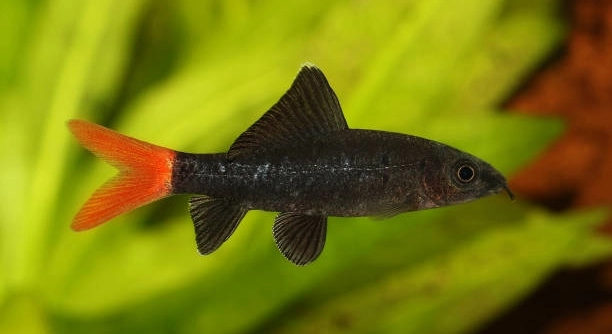
Is your rainbow shark showing signs of aggression that disrupt your aquarium’s harmony? Many owners face this challenge and seek practical ways to calm their fish. Understanding simple fixes can help restore peace to your tank.
Rainbow shark aggression often stems from territorial behavior, inadequate tank size, or poor water conditions. Addressing these factors by providing sufficient space, hiding spots, and maintaining clean water reduces stress and limits aggressive displays effectively.
Applying straightforward solutions can greatly improve your rainbow shark’s behavior and create a more balanced aquatic environment. These tips will help you manage aggression with ease.
Provide Enough Space in the Tank
A common reason rainbow sharks act aggressively is limited space. These fish need room to swim and establish their territories without constant conflict. A tank smaller than 40 gallons often causes stress and aggression. Increasing the tank size gives your shark more freedom and reduces territorial disputes. Adding visual barriers like plants or decorations helps break the line of sight between fish. This way, they are less likely to chase or attack each other. Regularly checking your tank’s size and layout ensures your rainbow shark feels comfortable and less stressed.
Keeping the tank size appropriate supports peaceful behavior and healthier fish overall.
Adding plants or decorations can also serve as hiding spots. This provides your shark with safe zones to retreat and helps reduce aggressive encounters with other fish.
Maintain Optimal Water Quality
Clean and stable water conditions are crucial for managing aggression. Poor water quality stresses fish, making them more likely to act aggressively. Testing the water regularly for ammonia, nitrites, nitrates, and pH levels helps you keep it balanced. Perform partial water changes of 20-30% weekly to maintain freshness. Using a reliable filtration system removes waste and toxins, which can build up quickly. Avoid overfeeding, as leftover food increases waste and harms water quality. Keeping the environment healthy reduces stress on your rainbow shark, encouraging calmer behavior. Consistent water maintenance is key to preventing aggression and promoting well-being.
Healthy water supports a stable environment, which is essential for peaceful fish interactions and long-term tank success.
Separate Aggressive Fish
If one fish is consistently aggressive, separating it can prevent harm. Isolation reduces stress for both the aggressive fish and others in the tank.
Using a separate tank or a divider in the main tank allows the aggressive rainbow shark to calm down. This limits physical contact and reduces conflict. When separated, monitor its behavior closely to see if aggression decreases. Gradually reintroduce the fish to the community tank once calmer. Separation also gives you time to check for health issues that may cause irritability. This step is practical to maintain peace and avoid injuries among your fish.
Isolation helps protect the tank’s harmony while giving your aggressive fish a chance to recover and adjust.
Adjust Feeding Habits
Feeding your rainbow shark properly impacts its behavior. Overfeeding can cause aggression due to competition for food and poor water quality.
Offering small, frequent meals helps reduce stress and aggressive tendencies. Feeding the fish at the same times daily establishes a routine, which can have a calming effect. Choose high-quality food suitable for omnivores to keep your shark healthy and less irritable. Remove uneaten food quickly to avoid water pollution that might cause discomfort. Balanced feeding improves overall tank conditions and minimizes aggression triggered by hunger or competition.
Consistent and thoughtful feeding routines promote calmer interactions among your fish, contributing to a peaceful environment.
Add More Hiding Spots
Hiding spots reduce stress and aggression by giving fish places to retreat. Use plants, rocks, or decorations to create these areas. Multiple hiding spots prevent one fish from controlling all safe zones. This helps reduce conflict and lets your rainbow shark feel secure.
Varied hiding places break up the tank visually. This decreases constant chasing and territorial fights by limiting direct sight between aggressive fish.
Keep Compatible Tank Mates
Choosing tank mates carefully minimizes aggression. Avoid housing rainbow sharks with very small or slow-moving fish. Compatible species coexist peacefully and reduce stress for all. Research fish behavior before adding new tank mates to ensure harmony.
Monitor Behavior Regularly
Regular observation helps catch early signs of aggression. Notice changes in chasing, biting, or hiding. Early action prevents injuries and long-term stress.
Maintain Consistent Lighting
Consistent light schedules support fish health and reduce stress. Use timers to keep a regular day-night cycle in the tank.
FAQ
Why is my rainbow shark so aggressive?
Rainbow sharks are naturally territorial, especially in smaller tanks. Limited space makes them feel threatened and defensive. Aggression can also increase if water quality is poor or if there aren’t enough hiding spots. Sometimes, competition for food or incompatible tank mates causes stress, making them act out.
How big should my tank be to prevent aggression?
A minimum of 40 gallons is recommended for one rainbow shark. Larger tanks give them enough room to swim and claim territory without constantly bumping into other fish. Providing at least 20 gallons more per additional rainbow shark helps reduce conflicts and aggression.
Can aggressive behavior be caused by health problems?
Yes, illness or injury can make rainbow sharks irritable and aggressive. If you notice sudden aggression paired with other signs like loss of appetite, discoloration, or lethargy, check water conditions and consult a vet or aquarium expert.
Is it normal for rainbow sharks to chase other fish?
Chasing is a common behavior linked to establishing dominance and defending territory. However, excessive chasing that leads to injury or constant stress is a problem. Proper tank size, hiding spots, and compatible tank mates can help reduce this behavior.
How often should I change the water to keep my rainbow shark calm?
Perform partial water changes of 20-30% weekly. Regular water changes keep ammonia and nitrate levels low, which reduces stress and aggressive behavior. Avoid large or infrequent water changes, as sudden shifts can upset the fish.
Will adding more plants calm aggressive rainbow sharks?
Yes, plants create natural hiding places and break up sight lines in the tank. This reduces direct confrontations and gives fish safe spaces to retreat. Use a mix of live or artificial plants, along with rocks or decorations.
Can diet affect my rainbow shark’s aggression?
Feeding a balanced diet on a regular schedule helps reduce aggression. Overfeeding or irregular feeding times can cause stress and competition. Use high-quality food suitable for omnivorous fish, and remove leftover food promptly.
What tank mates work best with rainbow sharks?
Choose fast-swimming, similarly sized fish that aren’t easily bullied. Avoid very small, slow, or long-finned fish, which rainbow sharks may harass. Good companions include larger tetras, danios, and some barbs, but always research compatibility.
Is it okay to separate an aggressive rainbow shark?
Yes, isolating an aggressive fish temporarily helps reduce stress and injuries in the tank. Use a divider or separate tank until the fish calms down. Reintroduce slowly and monitor behavior closely to avoid repeat aggression.
Does lighting affect aggression in rainbow sharks?
Consistent lighting with a regular day-night cycle helps maintain normal behavior. Sudden changes or too much light can stress fish and increase aggression. Use timers to keep lighting stable, typically 8-12 hours per day.
How can I tell if my rainbow shark is stressed?
Signs include hiding more than usual, loss of appetite, rapid breathing, or sudden aggression. Stress often results from poor water quality, overcrowding, or illness. Monitoring these signs early can prevent worsening behavior.
Can overcrowding increase aggression?
Yes, too many fish in a small tank raise stress and competition for space. Overcrowding leads to territorial fights and chasing. Keep fish numbers within recommended limits to ensure a calm environment.
What should I do if my rainbow shark injures another fish?
Separate the injured fish immediately to prevent further harm. Treat wounds with aquarium-safe medications if needed. Assess tank conditions and remove or isolate the aggressive fish until behavior improves.
Are rainbow sharks aggressive only toward their own kind?
They can be aggressive toward both their own species and other fish, especially when defending territory. Providing enough space and hiding spots reduces aggression toward all tank mates.
Does the shape of the tank affect aggression?
Longer tanks provide more swimming space and reduce confrontations by allowing fish to establish separate territories. Tall, narrow tanks may limit horizontal space and increase aggression. Choose a tank shape that maximizes swimming area.
Final thoughts on managing your rainbow shark’s aggression focus on creating a balanced and comfortable environment. Aggression is a natural behavior for these fish, especially when they feel threatened or overcrowded. Providing enough space, good water quality, and hiding spots can help reduce their stress levels. When the fish feels secure and has room to establish territory, it is less likely to act aggressively. This means regular tank maintenance and thoughtful tank setup are essential to keep your rainbow shark calm.
Another important factor is choosing the right tank mates and feeding habits. Rainbow sharks tend to be less aggressive when they are housed with compatible fish that are similar in size and temperament. Avoiding overcrowding and selecting peaceful companions reduces competition and territorial disputes. Feeding your fish a balanced diet at consistent times also helps lower aggression caused by hunger or stress. Leftover food should be removed to maintain water quality, which is crucial since poor water conditions can lead to irritation and aggressive behavior.
Finally, regular observation and quick action when aggression occurs can prevent injuries and long-term stress. If your rainbow shark becomes overly aggressive, consider temporary separation or adjustments to the tank environment. Using dividers or a separate tank can give your fish time to calm down. Maintaining stable lighting and consistent water conditions also contributes to a peaceful tank. Taking these steps helps ensure your rainbow shark and other fish live in a harmonious setting where aggression is minimized, promoting a healthy and enjoyable aquarium for you.

Hello,
If you enjoy the content that we create, please consider saying a "Thank You!" by leaving a tip.
Every little bit helps us continue crafting quality advice that supports the health, happiness, and well-being of pets around the world, for pets of all shapes, sizes, and species.
We really appreciate the kindness and support that you show us!