
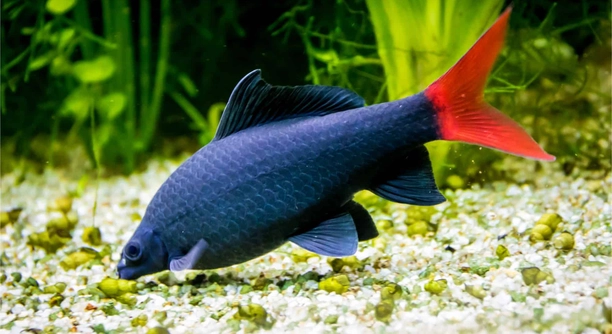
Creating a comfortable and healthy environment for your Rainbow Shark is essential for its well-being. These fish require specific conditions to thrive and remain active in home aquariums. Proper care ensures they live a long and happy life.
To create the perfect home for your Rainbow Shark, maintain clean, well-oxygenated water with a stable temperature between 74-80°F. Provide ample swimming space, hiding spots, and a balanced diet to support their natural behavior and health.
Following these tips will help you create a thriving habitat where your Rainbow Shark can flourish and show its vibrant colors with ease.
Choosing the Right Tank Size
Rainbow Sharks need space to swim actively. A tank smaller than 30 gallons limits their movement and can cause stress. A larger tank, ideally 40 gallons or more, allows them to explore and reduces aggression toward tank mates. When the tank is crowded, territorial behavior increases, which may lead to fights or injury.
A proper tank size supports their natural swimming habits and overall health. It also gives you room to add decorations or plants that create hiding spots, which Rainbow Sharks appreciate.
Setting up a tank with enough space improves water quality as well. More water volume dilutes waste and makes it easier to maintain stable conditions. This reduces the risk of disease and keeps your fish comfortable. A spacious environment encourages natural behavior and vibrant colors, making your Rainbow Shark a lively addition to your home aquarium.
Maintaining Water Quality
Keeping water clean is essential for your Rainbow Shark’s health. Perform regular water changes, about 25% every two weeks, to remove toxins. Use a reliable filter suited for your tank size to keep water clear and well-oxygenated. Test water parameters regularly to ensure pH levels stay between 6.5 and 7.5 and ammonia and nitrites remain at zero.
Dirty or unbalanced water can cause stress, illness, and dull colors in your fish. Maintaining consistent water quality supports their immune system and longevity. Establishing a cleaning routine also prevents buildup of harmful bacteria or algae. Using water conditioners during changes helps remove chlorine or heavy metals from tap water. Proper filtration combined with routine maintenance creates a healthy habitat where your Rainbow Shark can thrive and display its best colors over time.
Providing Proper Hiding Spots
Rainbow Sharks feel safer when they have places to hide. Include caves, rocks, or dense plants to create secure areas. These spots reduce stress and encourage natural behavior.
Hiding spots help Rainbow Sharks avoid conflicts with tank mates and reduce aggression. They also provide resting areas where the fish can relax. Decorations should be arranged to offer multiple retreats without overcrowding the tank. Smooth surfaces prevent injuries since Rainbow Sharks can be quite active and curious. Plants, whether real or artificial, add cover and enhance the tank’s environment. Providing a variety of hiding places makes your fish feel comfortable and secure, which supports their overall health and well-being.
Using a mix of decorations and plants creates an engaging space. It mimics their natural habitat and keeps them mentally stimulated. Regularly check and clean hiding spots to avoid algae buildup and debris. This ensures the tank stays inviting and healthy for your Rainbow Shark.
Feeding a Balanced Diet
Rainbow Sharks thrive on a varied diet that includes sinking pellets, flakes, and live or frozen foods like bloodworms or brine shrimp. This variety meets their nutritional needs and keeps them active.
Overfeeding can cause water quality issues, so feed small portions two to three times daily. Remove uneaten food to prevent decay. Supplementing their diet with vegetables like zucchini or peas provides essential fiber. This helps digestion and mimics the plant matter they might eat in the wild. Feeding habits directly affect their energy levels, coloration, and immune system. Consistent feeding routines promote good health and reduce the risk of obesity or malnutrition. Adjust portions based on your fish’s size and activity to maintain a healthy balance.
Monitoring Tank Mates
Rainbow Sharks can be territorial, so choosing compatible tank mates is important. Avoid keeping them with slow-moving or long-finned fish that might get bullied. Active, similarly sized fish are better companions.
It is also important to watch for signs of aggression early. If fighting occurs, rearranging tank decorations or separating fish may be necessary to keep peace.
Controlling Lighting
Proper lighting supports your Rainbow Shark’s natural cycle. Moderate lighting with a regular day-night schedule helps maintain their activity and reduces stress. Avoid overly bright or constant light, which can cause anxiety.
Regular Health Checks
Check your Rainbow Shark regularly for signs of illness like changes in behavior, color, or appetite. Early detection helps prevent serious problems and keeps your fish healthy.
FAQ
How often should I feed my Rainbow Shark?
Feeding your Rainbow Shark two to three times a day with small portions is ideal. Overfeeding can lead to poor water quality and health problems. Remove any uneaten food after about five minutes to keep the tank clean. Offering a variety of food types, including pellets, flakes, and occasional live or frozen treats, ensures a balanced diet.
What is the best temperature range for a Rainbow Shark tank?
Rainbow Sharks thrive in water temperatures between 74°F and 80°F (23°C to 27°C). Maintaining this stable range supports their metabolism and immune system. Sudden temperature changes can stress your fish, so use a reliable heater and monitor the temperature regularly.
Can Rainbow Sharks live with other fish?
Rainbow Sharks can be territorial, especially in smaller tanks. They do best with similarly sized, fast-swimming fish that won’t provoke aggression. Avoid slow-moving or long-finned species, which may be bullied. In larger tanks with plenty of hiding spots, Rainbow Sharks tend to be less aggressive.
How big should the tank be for a Rainbow Shark?
A minimum of 30 gallons is recommended to give your Rainbow Shark enough swimming space. Larger tanks, like 40 gallons or more, are better for reducing territorial behavior and improving water quality. More space also allows room for plants and decorations that create hiding spots.
How do I maintain good water quality for my Rainbow Shark?
Regular water changes, about 25% every two weeks, help keep toxins low. Use a good filtration system appropriate for your tank size. Test water frequently to ensure pH levels stay between 6.5 and 7.5, and ammonia and nitrites remain at zero. Conditioning tap water before adding it prevents harmful chemicals from affecting your fish.
What are common health issues for Rainbow Sharks?
Rainbow Sharks can suffer from stress, infections, or parasites if water quality is poor or if they face constant aggression. Signs to watch for include faded colors, lethargy, loss of appetite, or unusual swimming patterns. Early detection and treatment are key to recovery.
Do Rainbow Sharks need hiding places?
Yes, hiding spots reduce stress and territorial disputes. Use caves, rocks, or dense plants to create secure areas. These also give your fish places to rest and feel safe. Make sure decorations have smooth surfaces to avoid injuries during their active swimming.
How long do Rainbow Sharks usually live?
With proper care, Rainbow Sharks can live up to 5 to 8 years in home aquariums. Good water quality, a balanced diet, and a spacious tank contribute to their longevity. Regular health checks help catch issues early and extend their lifespan.
Is lighting important for Rainbow Sharks?
Moderate lighting that mimics a natural day-night cycle helps maintain their activity levels and reduces stress. Avoid strong or constant lighting, which can cause anxiety. Using a timer can help keep the lighting consistent.
Can Rainbow Sharks jump out of the tank?
Rainbow Sharks are known to be jumpers, especially if stressed or startled. It’s important to have a secure tank lid to prevent escapes. Keeping the environment comfortable and stable reduces jumping behavior.
What should I do if my Rainbow Shark becomes aggressive?
If your Rainbow Shark shows aggression, check tank size and tank mates first. Adding more hiding spots or rearranging decorations can help. In severe cases, separating aggressive fish may be necessary to protect all inhabitants.
How can I encourage vibrant colors in my Rainbow Shark?
A varied diet rich in nutrients supports bright coloration. Stable water conditions and minimal stress also play a big role. Avoid overcrowding and provide a clean, spacious tank with plenty of hiding spots for your Rainbow Shark to display its best colors.
Creating the perfect home for your Rainbow Shark requires attention to several important details. Providing a spacious tank, maintaining clean and stable water conditions, and offering hiding places all contribute to the fish’s comfort and health. These basic steps help reduce stress and support natural behavior. Taking the time to research and understand their needs makes a big difference in how well your Rainbow Shark will thrive in your care.
A balanced diet is also crucial. Feeding your Rainbow Shark a variety of foods in the right amounts keeps it healthy and active. Overfeeding or poor-quality food can lead to water problems and health issues. Alongside a proper diet, regular tank maintenance and monitoring water quality protect your fish from illness. Keeping an eye on their behavior and appearance will help you spot problems early and act quickly to fix them.
Overall, keeping a Rainbow Shark is rewarding when you provide the right environment. Their vibrant colors and energetic swimming bring life to any aquarium. The effort put into creating a stable and comfortable habitat is worthwhile. By following simple guidelines for tank size, water quality, diet, and tank mates, you can enjoy a healthy and lively Rainbow Shark for many years.

Hello,
If you enjoy the content that we create, please consider saying a "Thank You!" by leaving a tip.
Every little bit helps us continue crafting quality advice that supports the health, happiness, and well-being of pets around the world, for pets of all shapes, sizes, and species.
We really appreciate the kindness and support that you show us!