
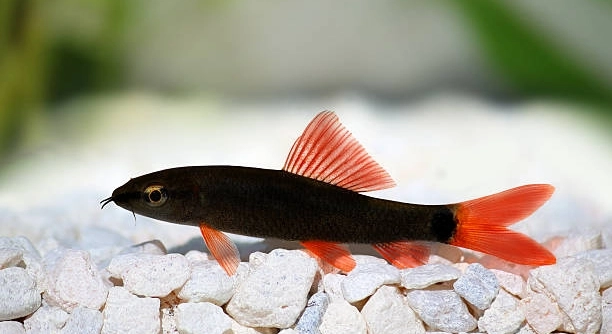
Is your rainbow shark not breeding despite your efforts? Many fish owners experience this challenge when caring for these colorful freshwater fish. Understanding the reasons behind this can help improve the chances of successful breeding.
Rainbow shark breeding issues often stem from environmental factors such as inadequate tank conditions, improper water parameters, or lack of suitable hiding places. Stress, poor diet, and the absence of compatible mates also significantly impact their breeding behavior and success.
This article will guide you through practical steps to encourage breeding and maintain a healthy environment for your rainbow shark. Learning these methods can improve your fish’s well-being and breeding potential.
Check Your Tank Conditions
Rainbow sharks need the right tank environment to feel comfortable and ready to breed. The tank should be at least 30 gallons, with plenty of swimming space and hiding spots. Plants, rocks, and caves help create a natural setting where your fish can feel safe. The water temperature should stay between 74 and 80 degrees Fahrenheit. Make sure the pH level is between 6.5 and 7.5. Good filtration and regular water changes keep the water clean and healthy. When conditions are stable, your rainbow shark will be more likely to breed successfully.
Keeping the tank clean and maintaining the right temperature and pH are key factors for breeding success.
A well-maintained tank not only supports breeding but also promotes overall fish health. Rainbow sharks are sensitive to poor water quality, which can cause stress and prevent spawning. Ensuring a calm environment with proper filtration and regular cleaning reduces stress. Provide enough hiding places to mimic their natural habitat, which encourages breeding behavior. Maintaining consistent water parameters and avoiding sudden changes will create a secure environment that supports your rainbow shark’s natural breeding instincts.
Improve Their Diet
A balanced diet is essential to stimulate your rainbow shark’s breeding. Feed a mix of high-quality flakes, pellets, and live or frozen foods like bloodworms or brine shrimp. These foods provide the protein and nutrients needed for good health and reproductive readiness. Feeding small amounts multiple times a day keeps your fish energized without overfeeding. Avoid low-quality or exclusively plant-based diets, as they lack necessary nutrients. A varied diet supports both the male and female fish during the breeding period.
Proper nutrition helps maintain fish health and encourages natural breeding behavior.
Improving your rainbow shark’s diet can significantly increase the chances of spawning. Protein-rich foods boost energy and reproductive hormones. Introducing live foods also stimulates natural hunting instincts, reducing stress and encouraging activity. Consistent feeding routines help maintain stable health and energy levels. Additionally, supplementing their diet with occasional vitamins or supplements designed for breeding fish can further support reproductive functions. A strong, healthy fish is more likely to engage in breeding behavior and produce viable offspring.
Provide Suitable Mates
Rainbow sharks need compatible mates to breed successfully. Avoid keeping multiple males together, as they can become aggressive. One male with two or more females usually works best.
Choosing healthy fish with no signs of illness is important. Females tend to be rounder, especially when ready to spawn, while males are slimmer and sometimes show brighter colors. Compatibility is key to reducing stress and encouraging natural breeding behavior.
Introducing mates gradually helps reduce territorial disputes. Observe their behavior closely and separate any fish that show excessive aggression. Providing enough hiding spots also lowers conflict, creating a safer environment for breeding.
Maintain Proper Lighting
Consistent lighting supports the natural breeding cycle of rainbow sharks. Provide about 10 to 12 hours of light each day using a timer for regularity.
Too much or too little light can disrupt their behavior. Balanced lighting mimics their natural habitat and encourages spawning. Natural daylight or full-spectrum aquarium lights work best.
Avoid sudden changes in lighting, as this can stress the fish and stop breeding efforts. Gradually adjust lighting to simulate seasonal changes, which can also trigger spawning. Proper lighting contributes to a calm, healthy environment that supports reproduction.
Reduce Stress in the Tank
Stress is a common reason rainbow sharks do not breed. Keep the tank quiet and avoid sudden movements near the aquarium.
Limit the number of tank mates to prevent overcrowding. Stress can weaken their immune systems and stop breeding behavior altogether.
Monitor Water Quality
Regularly test water parameters to ensure optimal conditions. Check ammonia, nitrite, nitrate levels, and pH often.
Maintaining stable water conditions helps prevent stress and illness, both of which can affect breeding. Regular water changes keep the environment healthy and inviting for spawning.
Observe Breeding Behavior
Watch for signs like chasing, fin displays, or increased activity. These behaviors show readiness to spawn.
Recognizing these signs allows timely adjustments to care and environment, improving breeding chances.
FAQ
Why is my rainbow shark not showing any interest in breeding?
Several factors can affect your rainbow shark’s breeding interest. Often, the tank conditions may not be ideal—poor water quality, inappropriate temperature, or lack of hiding spaces can cause stress. Also, if the fish are not paired properly with compatible mates, breeding behavior might not occur. Nutrition plays a major role too; an unbalanced diet can reduce their readiness to spawn. Finally, if the lighting is inconsistent or too harsh, it can interfere with their natural breeding cycles.
How long does it usually take for rainbow sharks to start breeding?
Rainbow sharks typically begin breeding once they reach about one year of age and the conditions in the tank are favorable. Even then, it might take several weeks or months of consistent care and proper environment before you see clear breeding behavior. Patience is important, as rushing or frequently disturbing the tank can delay or stop the process altogether.
Can I breed rainbow sharks in a community tank?
Breeding rainbow sharks in a community tank can be challenging. These fish are territorial and may become aggressive during breeding periods, especially males. Other fish may also eat the eggs or fry, so the chances of successful breeding are lower. A separate breeding tank with controlled conditions and fewer species is usually better for protecting eggs and fry.
What should I do if my rainbow shark eggs get eaten?
Egg predation is common in tanks with multiple species or even from the parents themselves. To prevent this, place the breeding pair in a separate tank with hiding spots and flat surfaces for the eggs to attach. Removing the parents after spawning or transferring the eggs to a nursery tank can improve survival rates. Maintaining good water quality also helps eggs develop properly.
How often should I feed my rainbow shark during breeding?
Feeding small amounts 2 to 3 times daily works best. Focus on high-quality, protein-rich foods such as bloodworms, brine shrimp, and specialized pellets. Avoid overfeeding, as leftover food can pollute the water and stress the fish. A balanced feeding routine helps maintain energy levels and supports reproductive health.
Are there any signs that my rainbow shark is ready to breed?
Yes, you might notice increased chasing and circling behaviors, especially from the male. Females may appear fuller around the belly. Both fish can become more active and display brighter colors. Sometimes, the fish will guard certain areas in the tank, preparing for spawning. Observing these signs helps you know when to prepare for breeding conditions.
What temperature is best for encouraging breeding in rainbow sharks?
Maintaining the water temperature between 75 and 80 degrees Fahrenheit usually encourages breeding. Slightly raising the temperature within this range can mimic natural seasonal changes and trigger spawning behavior. However, sudden or extreme changes in temperature should be avoided to prevent stress.
Can lighting changes help with breeding?
Yes, simulating natural light cycles with about 10 to 12 hours of light daily encourages normal behavior and breeding readiness. Gradually adjusting light intensity and duration to mimic seasonal shifts can help trigger spawning. Avoid sudden or harsh lighting changes, which may stress the fish and reduce breeding chances.
Is it normal for rainbow sharks to fight during breeding?
Some aggression is normal, especially between males competing for territory or females. Too much fighting, however, can cause injury and stress. Providing enough space, hiding places, and the right male-to-female ratio helps reduce aggression and creates a safer environment for breeding.
How long do rainbow shark eggs take to hatch?
Eggs typically hatch within 24 to 36 hours after spawning, depending on temperature and water conditions. Warmer water usually speeds up development, but maintaining stable conditions is more important than rushing the process. After hatching, fry will need proper care and feeding to grow.
What do rainbow shark fry eat?
Fry start by eating tiny food like infusoria or newly hatched brine shrimp. As they grow, you can gradually introduce finely crushed flakes or specialized fry food. Feeding them small amounts frequently helps support healthy growth and development during these early stages.
Can I keep the fry with adult fish?
Keeping fry with adults is not recommended. Adult rainbow sharks may see the fry as competition or food, which reduces survival chances. A separate nursery tank with gentle filtration and suitable hiding places is best for protecting the young fish until they are large enough to join the main tank.
How can I tell the difference between male and female rainbow sharks?
Males tend to be slimmer and show brighter colors, especially during breeding. Females are usually rounder, particularly when carrying eggs. Observing their behavior during breeding times can also help; males are more likely to chase and display aggressive courtship.
What are common mistakes to avoid when trying to breed rainbow sharks?
Common mistakes include overcrowding the tank, poor water quality, inconsistent lighting, and not providing enough hiding places. Feeding an unbalanced diet or keeping incompatible mates together can also prevent breeding. Rushing the process or disturbing the fish frequently can cause stress and stop spawning.
How often should I perform water changes during breeding?
Performing small, regular water changes of 20-30% weekly helps keep the tank clean without shocking the fish. Stable water parameters are critical during breeding. Avoid large or sudden changes, which can stress the fish and interrupt spawning behavior.
Is it necessary to condition the fish before breeding?
Conditioning by feeding high-quality, protein-rich foods and maintaining optimal tank conditions prepares your rainbow sharks for breeding. This improves their health and increases the likelihood of successful spawning and healthy offspring.
Can breeding help improve the health of my rainbow sharks?
Successful breeding often indicates healthy fish and good tank conditions. The process encourages natural behaviors and can strengthen the fish if managed well. However, stress and poor care during breeding can harm their health, so careful attention is needed.
When your rainbow shark is not breeding, it can feel frustrating, especially when you want to see your fish thrive. Understanding the factors that affect breeding is key to improving the situation. Many times, breeding issues come down to the environment you provide. Tank size, water quality, temperature, and lighting all play important roles. Making sure these basics are in order creates a healthy space where your rainbow shark can feel comfortable and safe. This comfort encourages natural breeding behaviors, increasing the chances of success.
Another important factor is diet. Rainbow sharks need a balanced diet rich in protein to stay healthy and ready to reproduce. Feeding a variety of foods such as flakes, pellets, and live or frozen options helps meet their nutritional needs. Avoiding overfeeding and sticking to a consistent feeding schedule also supports their overall well-being. When fish are well-nourished and stress-free, they are more likely to display natural breeding behaviors. Along with diet, the presence of compatible mates and reducing aggression through proper tank setup also make a significant difference.
Patience is essential throughout this process. Breeding rainbow sharks may take time, and not every attempt will be successful. Observing your fish closely and adjusting tank conditions gradually is the best approach. Avoid rushing or making sudden changes that could stress the fish. Regular water testing, providing hiding places, and maintaining consistent lighting all help create a stable environment for breeding. By taking these steps and paying attention to your fish’s needs, you increase the likelihood of successful breeding and enjoy the rewarding experience of raising healthy rainbow shark fry.

Hello,
If you enjoy the content that we create, please consider saying a "Thank You!" by leaving a tip.
Every little bit helps us continue crafting quality advice that supports the health, happiness, and well-being of pets around the world, for pets of all shapes, sizes, and species.
We really appreciate the kindness and support that you show us!