
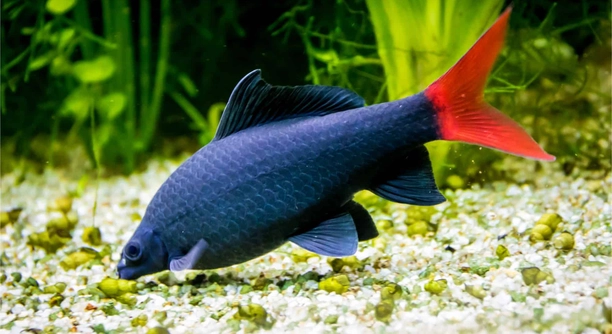
The rainbow shark is a popular freshwater fish loved for its bright colors and active nature. Many aquarium owners find them interesting pets but sometimes wonder about their behavior. Understanding their temperament can help keep a peaceful tank environment.
Rainbow sharks are generally semi-aggressive fish that may show territorial behavior, especially as they mature. They often establish dominance and may chase or nip at other fish but can coexist peacefully if given enough space and hiding spots.
Knowing these key traits will help you create a balanced aquarium where the rainbow shark can thrive without causing stress to other fish.
Rainbow Sharks Can Be Territorial
Rainbow sharks often claim a specific area of the tank as their own. This behavior becomes more noticeable as they grow older. They patrol their space regularly, defending it from other fish that come too close. This territorial nature helps them feel secure, but it can also lead to aggression if the tank is too small. Providing plenty of hiding places and plants helps reduce conflicts. It’s important to have enough space for each fish to establish its own territory. Without this, chasing and nipping may increase, stressing all the fish in the tank. Keeping an eye on their behavior can help you spot signs of too much aggression early.
This territorial behavior is natural and helps rainbow sharks feel safe.
Managing tank size and decorations can prevent most territorial disputes. Offering multiple hiding spots reduces tension among fish and promotes harmony.
Compatibility With Other Fish
Rainbow sharks can live with other fish but need the right tank mates. Avoid keeping them with slow-moving or long-finned fish, as the sharks might nip at them. Ideal tank mates are fast, agile fish that can hold their own. Species like barbs, danios, and some tetras usually do well alongside rainbow sharks. It’s best to avoid overcrowding the tank to keep stress levels low. Also, having a larger tank allows the rainbow shark to establish its territory without constant conflict. Introducing new fish slowly and watching their interactions helps prevent aggressive outbreaks. When properly managed, rainbow sharks can be part of a diverse, active community tank.
Choosing compatible fish ensures a peaceful environment.
Creating a balanced community requires careful selection of species that can coexist. Slow or shy fish may suffer if kept with rainbow sharks, so thoughtful pairing is essential. Observing behavior during introductions can guide adjustments. Adjusting tank conditions, such as adding plants and rocks, creates hiding places to lower aggression risks. When these factors are considered, rainbow sharks and their tank mates can thrive together peacefully, making the aquarium more enjoyable to watch.
Activity Levels and Behavior
Rainbow sharks are active swimmers who like to explore their tank. They spend much of their time near the bottom but will swim throughout the aquarium. Their activity helps keep the tank lively and interesting to watch.
Their energetic behavior means they need enough space to swim freely. A cramped tank can make them stressed and more aggressive. They often become more active during feeding times and may chase other fish then. It’s important to provide plenty of hiding spots where they can retreat when needed. Without enough stimulation, rainbow sharks might become bored or restless, leading to increased territorial behavior.
Observing their daily activity gives clues about their health and comfort. A happy rainbow shark will swim confidently and show curiosity in its surroundings. Tank conditions, such as clean water and a stable temperature, also affect their behavior. Keeping the environment consistent helps maintain their natural activity levels and reduces stress, making the aquarium a calm place for all fish.
Aggression and Warning Signs
Rainbow sharks can show aggressive behavior, especially when they feel threatened or crowded. Signs include chasing, fin nipping, and sudden bursts of speed toward other fish. Early recognition of these signs helps prevent serious fights.
When aggression increases, it often means the shark’s space is limited or the tank setup is lacking. Adding decorations, plants, or caves gives them areas to claim and hide, which can reduce conflict. Sometimes, aggression occurs if the fish are stressed due to poor water quality or illness. Regular water changes and monitoring water parameters are essential to keep aggression in check.
If aggression persists, separating the aggressive fish or increasing tank size may be necessary. Careful observation and timely action help maintain peace in the aquarium, allowing all species to coexist more comfortably. Knowing when to intervene is key to preventing harm and keeping the tank balanced.
Feeding Habits
Rainbow sharks are omnivores that enjoy a varied diet. They eat flakes, pellets, and live or frozen foods.
Feeding them a balanced diet helps keep their colors bright and supports healthy behavior. Overfeeding should be avoided to prevent water quality issues.
Social Behavior
Rainbow sharks are usually solitary and prefer to have their own space. They may tolerate others but rarely form groups or schools.
It’s best to provide enough room and hiding spots to reduce stress from unwanted contact with tank mates.
Stress Factors
Changes in water quality, overcrowding, and poor diet can cause stress in rainbow sharks. Stress often leads to aggressive or withdrawn behavior.
Monitoring the tank environment and maintaining stable conditions helps keep them calm and healthy.
How aggressive is a rainbow shark?
Rainbow sharks are moderately aggressive, mainly due to their territorial nature. They may chase or nip at other fish, especially if the tank is too small or crowded. However, aggression usually decreases when they have enough space and plenty of hiding spots. They don’t typically attack without cause but will defend their territory firmly.
Can rainbow sharks live with other fish?
Yes, but tank mates must be chosen carefully. Rainbow sharks prefer faster, similarly sized fish that won’t get stressed by occasional chasing. Avoid slow-moving or long-finned fish, as these often become targets. Good companions include barbs, danios, and some types of tetras. Providing enough room and hiding places also improves compatibility.
What tank size is best for rainbow sharks?
A minimum of 30 gallons is recommended for a single rainbow shark. Larger tanks reduce territorial disputes and give the fish more swimming space. Overcrowding increases stress and aggression, so bigger tanks with proper decorations and plants help keep them calm and healthy.
How can I reduce aggression in my rainbow shark?
Ensure the tank is large enough with several hiding spots like caves and plants. Maintain good water quality and avoid overcrowding. Feeding a balanced diet regularly helps reduce stress. Introducing tank mates slowly and watching their interactions also prevents aggressive outbreaks.
What does it mean when a rainbow shark chases other fish?
Chasing is usually territorial behavior. The shark is protecting its space and establishing dominance. It’s natural but should be monitored to prevent injury to other fish. If chasing becomes constant or violent, adjustments to tank size or layout may be needed.
Why does my rainbow shark nip at other fish?
Nipping often happens when the shark feels threatened or stressed. It can also be a sign of boredom or lack of stimulation. Providing enrichment like plants and hiding areas can reduce this behavior. Also, avoid keeping them with fish that have delicate fins.
Are rainbow sharks aggressive only during feeding?
Feeding times can increase activity and territorial behavior because food is a resource worth defending. The chasing might be more noticeable, but it usually calms down afterward. Offering food in multiple spots can help reduce competition.
How do I know if my rainbow shark is stressed?
Signs of stress include hiding more than usual, loss of appetite, faded colors, or excessive aggression. Poor water conditions, overcrowding, or illness can cause stress. Regular tank maintenance and proper care help keep them relaxed and healthy.
Can rainbow sharks live alone?
Yes, rainbow sharks can live alone and often do well that way. Without other fish to compete with, they usually show less aggression and stress. However, a solo shark still needs a spacious tank and proper environment to stay happy.
What tank mates should I avoid with rainbow sharks?
Avoid slow, long-finned, or shy fish, as rainbow sharks might nip at their fins. Also, small, timid fish may become stressed if constantly chased. It’s best to pick fast, robust species that can handle the shark’s semi-aggressive behavior.
How often should I feed my rainbow shark?
Feeding once or twice a day with moderate amounts is best. Overfeeding can harm water quality and cause health problems. A varied diet including flakes, pellets, and occasional live or frozen foods supports their health and colors.
Does tank decor affect a rainbow shark’s temperament?
Yes, plenty of plants, caves, and decorations provide hiding spots that reduce stress and aggression. These structures let the fish claim territory without constant confrontations. A well-decorated tank usually leads to calmer and healthier rainbow sharks.
What water conditions do rainbow sharks prefer?
They thrive in clean, well-oxygenated water with temperatures between 72-79°F (22-26°C) and a neutral pH around 6.5-7.5. Stable water conditions help prevent stress and aggressive behavior. Regular water testing and maintenance are essential.
How long do rainbow sharks live?
With proper care, rainbow sharks can live 5 to 7 years or more. Good water quality, balanced diet, and a stress-free environment contribute to their longevity. Monitoring behavior and health regularly helps catch problems early.
Is it normal for rainbow sharks to be shy at first?
Yes, they often hide and seem shy when first introduced to a new tank. Over time, as they settle in and feel secure, their activity increases, and they become more confident swimmers. Patience and a calm environment help this transition.
Rainbow sharks are fascinating fish that bring color and energy to an aquarium. Understanding their temperament is important to provide them with a healthy, balanced environment. They tend to be semi-aggressive and territorial, which means they need enough space and hiding places to feel secure. When these needs are met, they can live peacefully alongside other fish. It’s important to select tank mates carefully, choosing species that can handle the rainbow shark’s behavior without getting stressed or harmed. This careful planning helps create a harmonious aquarium that is enjoyable to watch.
Taking care of rainbow sharks also means paying attention to their diet and tank conditions. They are omnivores and do well with a varied diet including flakes, pellets, and occasional live or frozen foods. Overfeeding should be avoided to keep the water clean and the fish healthy. Regular water changes and monitoring temperature and pH keep the environment stable. These factors directly influence the fish’s mood and activity. When water conditions are good, rainbow sharks are more active and show less aggression. Stress from poor conditions can lead to unhealthy behaviors, so keeping the tank clean and well-maintained is essential for their wellbeing.
Overall, keeping rainbow sharks requires some knowledge and care, but it is rewarding. Watching their colorful bodies move through the tank adds life to any aquarium. By understanding their natural behavior and providing the right environment, you can enjoy a peaceful and lively community tank. Paying attention to space, tank mates, diet, and water quality will help ensure the rainbow shark remains healthy and happy for years to come. This thoughtful approach makes a big difference in the fish’s temperament and overall aquarium harmony.

Hello,
If you enjoy the content that we create, please consider saying a "Thank You!" by leaving a tip.
Every little bit helps us continue crafting quality advice that supports the health, happiness, and well-being of pets around the world, for pets of all shapes, sizes, and species.
We really appreciate the kindness and support that you show us!