
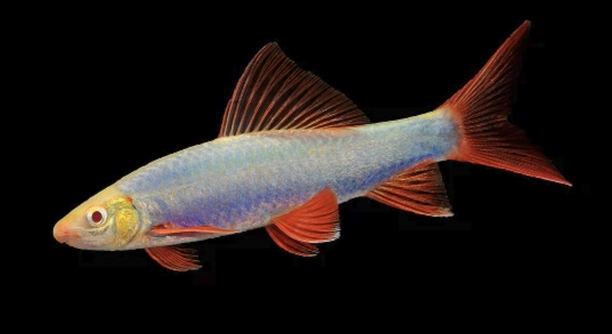
Are your rainbow shark’s movements seeming restless, or does their tank feel a bit too small for comfort? Tank size matters more than many realize, especially for a fish that enjoys its space and needs room to grow.
The most effective way to ensure your rainbow shark has enough room to thrive is by providing a tank that holds at least 55 gallons. This allows for proper swimming space, territorial boundaries, and healthy tank dynamics.
Understanding the specific needs of your rainbow shark can help prevent stress and aggression while supporting a healthier, more peaceful aquatic environment.
Choose the Right Tank Size
A rainbow shark needs more space than its size might suggest. Though they usually grow to about six inches, their active and territorial nature means they thrive best in tanks that are at least 55 gallons. Smaller tanks can lead to stress, aggression, and limited swimming space. When placed in too tight of an area, they may become more territorial or lash out at other fish. A longer tank is better than a tall one because it gives them more horizontal room to swim. It’s also important to avoid overstocking the tank. Even if other fish are peaceful, rainbow sharks prefer having areas they can claim as their own. Hiding spots like rocks, caves, and driftwood also help reduce stress. A bigger tank makes it easier to balance water quality and provides room for both movement and boundaries, which are crucial for keeping a rainbow shark calm and healthy.
Rainbow sharks are semi-aggressive by nature, so a spacious tank helps limit unnecessary conflict while encouraging natural behavior.
If you’re setting up a new tank, investing in one that’s at least 55 gallons from the start can save you problems down the road. It creates a more stable environment and gives your fish room to grow into adulthood.
Manage Tank Mates Carefully
Rainbow sharks don’t always get along well with others, especially those that look or act similarly.
Choosing tank mates takes careful thought and planning. Rainbow sharks can be territorial, especially as they grow older. Avoid adding fish that dwell near the bottom, such as other sharks or bottom-feeders, since these areas are where rainbow sharks claim space. Peaceful mid-to-top level swimmers, such as barbs, danios, or rasboras, can be better choices. It’s also helpful to add tank mates all at once rather than one at a time, which gives the rainbow shark less chance to claim certain spots early on. If you already have a rainbow shark in your tank, rearranging the decorations and plants when adding new fish can help level the playing field. It changes the layout enough to confuse any established territory. This keeps stress lower and allows fish to settle in more peacefully. The more space and hiding spots available, the less likely aggression will become a problem.
Keep the Tank Decor Balanced
Too much decor can limit your rainbow shark’s swimming space, while too little leaves them feeling exposed. Aim for a layout that offers both open areas and a few hiding spots without overcrowding the tank.
Use caves, driftwood, and plants to create hiding places, especially near the bottom of the tank. These spots help your rainbow shark feel secure while giving them territory to call their own. But be mindful not to block too much open space. Rainbow sharks enjoy swimming, and they need room to move freely. Keep the center of the tank more open while placing decor along the edges or corners. Avoid sharp objects, as rainbow sharks can scrape themselves when startled. A clean, balanced layout helps reduce stress, supports natural behavior, and makes maintenance easier. Rearranging decor occasionally can also help if your rainbow shark becomes too territorial with certain spots.
Choose natural-looking pieces to keep the tank calm and familiar. Avoid bright, unnatural colors that can stress your fish or cause confusion. Real or silk plants are both good options, as long as they don’t clutter the tank. Stick to a simple design that keeps your rainbow shark active without making them feel cornered or overwhelmed.
Maintain Proper Filtration and Water Flow
Rainbow sharks need clean, well-oxygenated water to stay healthy. A strong filter that fits your tank size helps maintain good water quality and prevents waste from building up too quickly.
They also enjoy moderate water flow, which mimics the river-like conditions they are used to. Use a filter that produces a steady current without being too harsh. Filters with adjustable flow rates work well if your shark seems stressed by fast-moving water. Keeping the water clean helps avoid common health problems like fin rot or gill irritation. It also helps beneficial bacteria thrive, which keeps ammonia and nitrite levels in check. Perform regular water changes—around 25% weekly—and check your filter often for clogs or buildup. Consistent filtration not only keeps the water clear but also supports your rainbow shark’s immune system. Good flow encourages swimming, keeps them active, and prevents dead zones where waste could collect.
Avoid Overcrowding the Tank
Too many fish in one tank can lead to stress, poor water quality, and territorial fights. Rainbow sharks need space, and overcrowding makes it harder for them to claim their own area or swim freely without feeling threatened.
Stick to one rainbow shark per tank and choose tank mates wisely. Avoid adding fish that grow large or that are aggressive. Always research the full adult size of any new fish before adding it to the tank. A peaceful setup with plenty of space is better than a busy tank full of tension.
Monitor Growth and Behavior Regularly
Rainbow sharks may start small, but they grow quickly and their behavior changes as they mature. A fish that seemed peaceful at first may become more territorial over time. Watch for signs of stress, such as hiding all day, sudden aggression, or loss of appetite. Regular observation helps you catch problems early. If needed, rearrange tank decor or separate aggressive fish to reduce tension. Sometimes a tank that once worked well becomes too crowded as fish grow. Checking in weekly on how your fish are interacting and adjusting the setup as needed helps maintain balance and keeps the tank peaceful.
Keep Lighting Consistent
Use a timer to maintain a steady light schedule, about 8–10 hours a day. Consistent lighting supports your fish’s natural rhythm and helps reduce stress in your rainbow shark.
FAQ
How large should my tank be for a rainbow shark?
A minimum of 55 gallons is recommended. This size provides enough room for swimming and helps reduce territorial behavior. Smaller tanks often lead to stress and aggression because rainbow sharks need space to establish their territory and move freely.
Can I keep more than one rainbow shark in the same tank?
It’s generally not a good idea to keep multiple rainbow sharks together unless the tank is very large—over 100 gallons—and has plenty of hiding spots. Rainbow sharks are territorial and may fight, especially as they mature. One per tank is safer to prevent aggression.
What tank mates are best for rainbow sharks?
Choose peaceful, fast-swimming fish that occupy the upper and middle water levels, like barbs, danios, or tetras. Avoid other bottom dwellers and slow-moving species that might compete for space or provoke aggression.
How often should I change the water?
Perform about a 25% water change weekly. This helps keep the water clean and reduces the buildup of toxins like ammonia and nitrites, which can harm your rainbow shark.
What kind of filtration is best?
A strong filter that suits your tank size is important. Rainbow sharks like moderate water flow similar to their natural river environment. Filters with adjustable flow work well to keep water clean without stressing your fish.
Do rainbow sharks need special lighting?
Regular aquarium lighting on a timer for 8–10 hours daily helps maintain their natural rhythms. Avoid sudden changes in lighting, which can stress the fish.
How can I tell if my rainbow shark is stressed?
Signs include hiding all the time, refusing to eat, rubbing against decorations, or sudden aggression. Stress can be caused by poor water quality, overcrowding, or lack of space.
What should I feed my rainbow shark?
Rainbow sharks are omnivores. Feed them a balanced diet of high-quality pellets, flakes, and occasional live or frozen foods like bloodworms or brine shrimp. Supplement with vegetables such as blanched zucchini or peas to ensure good nutrition.
How do I reduce aggression in the tank?
Ensure your tank is large enough with plenty of hiding spots. Rearrange decor sometimes to disrupt established territories. Avoid overcrowding and choose compatible tank mates.
Can rainbow sharks live with aggressive fish?
It’s best to avoid aggressive fish species, as they can provoke fights and stress your rainbow shark. Peaceful, fast swimmers make better companions.
How long do rainbow sharks typically live?
With proper care, they can live 6 to 8 years. Maintaining good water quality, proper tank size, and a balanced diet helps extend their lifespan.
Is it okay to keep rainbow sharks in a planted tank?
Yes, planted tanks offer good hiding places and mimic their natural environment. Use sturdy plants or artificial ones, as rainbow sharks may uproot delicate plants while digging.
What water temperature do rainbow sharks prefer?
Keep the water between 72°F and 79°F (22°C to 26°C). Stable temperatures help keep them healthy and active.
How do I introduce a new rainbow shark to my tank?
Add the new fish carefully, preferably rearranging tank decorations beforehand to reduce territorial disputes. Quarantine new fish to prevent spreading disease.
What are common health issues to watch for?
Watch for fin rot, ich, and parasites. Poor water quality and stress increase risks. Regular water testing and maintaining cleanliness help prevent illnesses.
Providing a good home for your rainbow shark means paying close attention to its space and environment. These fish need room to swim and places to hide, which helps keep them calm and healthy. A tank of at least 55 gallons gives them enough space to move freely and reduces stress caused by overcrowding. Keeping the tank clean with proper filtration and regular water changes also plays an important role in their well-being. Without these basics, rainbow sharks can become stressed or aggressive, which can lead to health problems.
Choosing the right tank mates is just as important as the size of the tank itself. Rainbow sharks can be territorial, especially as they grow older. It is best to avoid other bottom-dwelling fish that might compete for the same space. Peaceful, fast-moving fish that swim higher in the tank usually get along better with rainbow sharks. Offering plenty of hiding spots with plants, caves, or decorations helps create natural boundaries. Rearranging the tank setup occasionally can also keep your fish from becoming too aggressive or stressed over territory.
Finally, paying attention to your rainbow shark’s behavior helps you notice if something is wrong early on. Signs of stress include hiding too much, refusing food, or acting aggressively. Keeping the lighting on a regular schedule and maintaining the right water temperature adds to their comfort. Feeding them a balanced diet supports their health and energy. Overall, a combination of good space, clean water, thoughtful tank mates, and proper care makes all the difference in helping your rainbow shark thrive and live a happy, healthy life.

Hello,
If you enjoy the content that we create, please consider saying a "Thank You!" by leaving a tip.
Every little bit helps us continue crafting quality advice that supports the health, happiness, and well-being of pets around the world, for pets of all shapes, sizes, and species.
We really appreciate the kindness and support that you show us!