
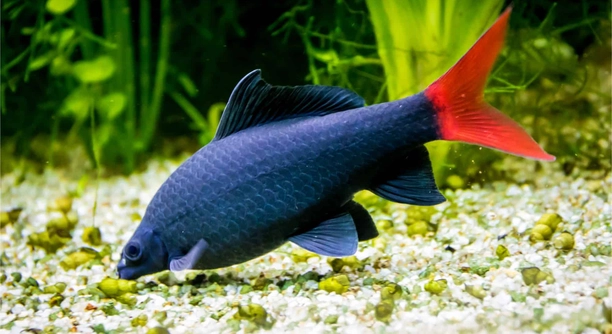
Caring for a rainbow shark means paying attention to its environment and health. Water quality plays a big role in keeping this fish happy and thriving. Knowing when to change the water helps prevent stress and illness.
Rainbow sharks need regular water changes to maintain clean, balanced water conditions. Poor water quality causes stress, reduces oxygen levels, and promotes harmful bacteria growth, which can lead to disease and a weakened immune system in the fish.
Recognizing the signs your rainbow shark needs more water changes will help you keep its tank healthy and comfortable for years to come.
Signs of Cloudy or Smelly Water
Sometimes, the first thing you notice is the water itself. If your tank water looks cloudy or has an unpleasant smell, it’s a clear sign that it needs more frequent changes. Cloudy water often means excess waste and bacteria are building up. This not only makes the tank look dirty but also creates an unhealthy environment for your rainbow shark. Smelly water usually indicates a high level of ammonia or other harmful chemicals. These conditions stress the fish and can cause illness over time. It’s important to keep the water clear and fresh to support your fish’s well-being. Regular water changes help remove waste, balance chemicals, and restore oxygen levels, keeping the tank healthy.
Maintaining clean water is key to a healthy tank environment. Cloudy or smelly water shows the balance is off and action is needed.
Keeping the water clear is more than just aesthetics. Cloudy water can block light and reduce oxygen, making it hard for your rainbow shark to thrive. The build-up of waste can increase harmful substances like ammonia and nitrites, which are toxic to fish. When water smells bad, it usually means these toxins are high. Frequent water changes help dilute these harmful chemicals and bring back the right balance. Even a slight change in water quality can affect your fish’s health, behavior, and colors. Consistent maintenance, including partial water changes, keeps the tank environment stable and reduces the chance of diseases. Watching the water quality regularly can prevent bigger problems and keep your rainbow shark healthy and active.
Changes in Your Rainbow Shark’s Behavior
Your rainbow shark might act differently if the water isn’t clean enough. When water conditions worsen, the fish may become sluggish, hide more often, or stop eating like usual. These changes are signs of stress caused by poor water quality. Fish rely on clean water to breathe and feel safe. If your shark is swimming near the surface or gasping for air, it could mean low oxygen levels due to dirty water. Sudden changes in behavior should not be ignored as they can be early warnings of health problems.
Behavioral shifts often reflect the tank’s water quality and overall health of your fish.
Pay attention to your rainbow shark’s habits daily. If it starts hiding behind decorations or stops coming out during feeding time, the water might be the reason. Stress from poor water can weaken the fish’s immune system and make it vulnerable to infections. In some cases, you may notice the fish scratching itself against tank surfaces, indicating irritation from poor water conditions. These signs suggest that more frequent or larger water changes are necessary. Keeping the water clean helps maintain normal behavior and supports the fish’s natural activity. Watching for these early signals can help you respond quickly and avoid serious health issues for your rainbow shark.
Dull or Fading Colors
A rainbow shark’s vibrant colors often fade when water quality declines. This is a common sign that the tank needs more attention with water changes. Healthy water supports the fish’s natural brightness and overall well-being.
Poor water quality affects your fish’s ability to maintain its colors. When the water contains excess waste or toxins, the fish may lose its vibrant hues and appear dull. This happens because stress weakens their immune system and disrupts normal bodily functions. The fish may also become more prone to diseases that affect the skin and scales. Regular water changes keep the environment stable and help the rainbow shark keep its beautiful colors. If you notice fading colors, it’s time to test the water and increase the frequency of changes to restore balance and vitality.
Fading colors can also be caused by diet or lighting, but poor water quality is usually the main reason. Ensuring clean water is the easiest way to improve your fish’s appearance and health.
Excess Algae Growth
Algae growth in your tank can quickly get out of control if water changes are not done regularly. Excess nutrients from fish waste and leftover food feed the algae, causing it to spread. This makes the tank look unclean and harms water quality.
Algae competes with your rainbow shark for oxygen, which can reduce the amount available for your fish. Thick algae growth can block light and cover surfaces, stressing the fish. Frequent water changes help remove excess nutrients, reducing algae growth and keeping the environment balanced. Without enough water changes, algae blooms become harder to control and may require manual cleaning or chemical treatments, which can stress your fish further. Maintaining a good water change schedule keeps algae in check and creates a healthier tank for your rainbow shark to thrive.
Fish Gasping at the Surface
When a rainbow shark frequently gasps at the surface, it usually means low oxygen levels in the tank. Poor water quality from infrequent changes reduces oxygen and stresses the fish.
This behavior signals a need for immediate water changes and better aeration. Clean, fresh water increases oxygen levels and helps your fish breathe easier.
Presence of White Spots or Fins Rot
White spots or fin rot are signs of infections often caused by poor water quality. Dirty water weakens your fish’s immune system, making it vulnerable to parasites and bacteria. Keeping water clean through regular changes helps prevent these health issues.
Tank Temperature Fluctuations
Inconsistent water temperature stresses rainbow sharks, making them more susceptible to disease. Regular water changes help stabilize the tank’s environment and keep the temperature steady, promoting better health and comfort for your fish.
FAQ
How often should I change the water for my rainbow shark?
Most experts recommend changing 20-30% of the tank water every one to two weeks. This routine helps remove harmful waste and toxins while keeping the water chemistry stable. However, the frequency can vary depending on tank size, filtration, and fish load. Smaller tanks or heavily stocked ones may need more frequent changes to maintain good water quality.
What signs show my rainbow shark is stressed from poor water quality?
Common signs include sluggish swimming, hiding, loss of appetite, faded colors, and gasping at the surface. You might also notice fin damage or unusual spots on the body. These symptoms usually mean the water is dirty or has toxic chemicals like ammonia or nitrites. Stress weakens the fish’s immune system, making it more prone to illness.
Can I use tap water for water changes?
Tap water can be used if treated properly. Most tap water contains chlorine or chloramines, which are harmful to fish. Use a water conditioner to neutralize these chemicals before adding the water to the tank. Also, ensure the new water matches the tank’s temperature to avoid shocking your rainbow shark.
What happens if I change too much water at once?
Changing too much water at once can shock your fish by altering the water’s temperature, pH, or chemical balance too quickly. This sudden change stresses the fish and can cause health problems. It’s safer to do smaller, regular water changes rather than large ones infrequently.
Is it necessary to clean the tank decorations during water changes?
Yes, cleaning decorations can help reduce algae and waste buildup. Use a soft brush and warm water to scrub decorations gently. Avoid using soap or chemicals because residues can harm your fish. Keeping decorations clean contributes to better water quality and a healthier environment.
How can I test my tank water quality?
Water testing kits are available for measuring ammonia, nitrites, nitrates, pH, and other important factors. Regular testing helps you track the tank’s condition and decide when water changes are needed. Monitoring these levels prevents dangerous spikes that can harm your rainbow shark.
Can overfeeding affect water quality?
Yes, overfeeding leads to leftover food decaying in the tank, increasing waste and nutrients that harm water quality. Feed your rainbow shark only what it can eat in a few minutes, once or twice a day. Removing uneaten food helps keep the tank cleaner and healthier.
What should I do if my rainbow shark shows signs of illness?
First, test the water quality and perform a partial water change if needed. Poor water conditions often cause illness. If symptoms persist, consider consulting a vet or aquarium specialist for advice on treatment. Quarantining sick fish can prevent disease from spreading to others in the tank.
Can plants help maintain water quality?
Live plants can improve water quality by absorbing nitrates and producing oxygen. They also provide hiding spots, which reduce fish stress. However, plants still need care, and regular water changes remain necessary to keep the tank balanced and healthy.
What filtration system works best with rainbow sharks?
A good filter removes debris, waste, and harmful chemicals efficiently. Canister filters or hang-on-back filters are popular choices for rainbow shark tanks. The filter should provide strong water flow without creating too much current, as these fish prefer moderate conditions. Regular filter maintenance is also important to keep it working well.
Taking care of a rainbow shark means paying close attention to its water environment. Regular water changes are one of the easiest and most effective ways to keep the tank clean and healthy. Dirty water can quickly build up harmful chemicals like ammonia and nitrites, which stress the fish and make them sick. By changing a portion of the water regularly, you remove these toxins and help maintain a stable, safe environment. This simple step supports the fish’s natural behaviors, vibrant colors, and overall health.
It is important to watch for clear signs that your rainbow shark needs more frequent water changes. Changes in behavior, such as hiding or gasping at the surface, often point to poor water conditions. Cloudy or smelly water is another obvious sign that the tank needs attention. Even small changes like dull colors or excess algae growth can signal that it’s time for a water change. Paying attention to these signals helps you act before problems become serious. Regular testing of the water quality also helps catch issues early, so you can keep the tank balanced and safe.
In the end, keeping your rainbow shark happy and healthy depends on steady care and good tank maintenance. Water changes are a key part of this routine and should not be overlooked. Along with proper feeding, tank cleaning, and monitoring, regular water changes support your fish’s well-being and longevity. A healthy fish is more active, colorful, and less prone to disease. Making water changes part of your aquarium care will make a big difference in how your rainbow shark thrives over time.

Hello,
If you enjoy the content that we create, please consider saying a "Thank You!" by leaving a tip.
Every little bit helps us continue crafting quality advice that supports the health, happiness, and well-being of pets around the world, for pets of all shapes, sizes, and species.
We really appreciate the kindness and support that you show us!