
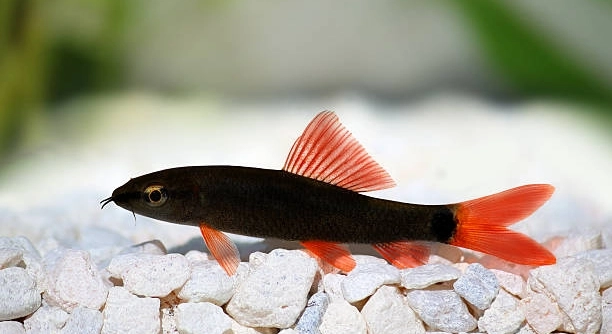
Caring for a Rainbow Shark means paying close attention to its needs and environment. These fish require specific conditions to thrive and show signs of well-being. Knowing what to watch for can make all the difference.
Ensuring a Rainbow Shark’s happiness involves monitoring water quality, tank size, diet, social behavior, hiding spots, swimming activity, and overall health. Each factor plays a vital role in maintaining a balanced and stress-free environment for this species.
Recognizing these key signs helps keep your Rainbow Shark healthy and content. Proper care will create a peaceful and enjoyable tank for both you and your fish.
Water Quality and Temperature
Maintaining good water quality is essential for a Rainbow Shark’s happiness. These fish need clean, well-filtered water with stable parameters. The ideal temperature should be between 72 and 79°F (22-26°C). Ammonia, nitrite, and nitrate levels must be closely monitored and kept low. Frequent water changes help prevent the buildup of harmful substances. Proper aeration ensures enough oxygen is available. Without these conditions, your Rainbow Shark may become stressed, showing signs like hiding or loss of color. Testing the water weekly is a good habit. Using a reliable filtration system keeps the tank environment healthy and reduces the risk of disease.
Stable water conditions make a Rainbow Shark comfortable and active.
Regular water checks and maintaining temperature within the right range will keep your fish thriving in its habitat. This careful attention is necessary for its long-term well-being.
Tank Size and Space
Rainbow Sharks need enough room to swim freely. A tank size of at least 30 gallons is recommended to provide ample space for activity. Overcrowding causes stress and aggression, so avoid putting too many fish in the same tank. These fish are territorial and appreciate places where they can establish their own space. Decorations like rocks and plants help create boundaries and hiding spots. Adequate space also prevents fights and promotes peaceful coexistence with tank mates. The swimming space allows them to express natural behaviors and stay healthy. Giving your Rainbow Shark enough room shows respect for its needs and promotes a better environment for everyone in the tank.
Diet and Feeding
A balanced diet keeps your Rainbow Shark healthy and happy. They need a mix of protein and vegetable matter to thrive. Feeding small amounts twice a day is best to avoid overfeeding.
Rainbow Sharks enjoy sinking pellets, algae wafers, and occasional live or frozen foods like bloodworms or brine shrimp. Including vegetable matter such as blanched spinach or zucchini helps meet their nutritional needs. Avoid feeding only one type of food, as this can lead to deficiencies. A varied diet supports their vibrant colors and energy levels, making them more active and content in the tank.
It’s important to remove any uneaten food quickly to keep water quality high. Overfeeding can cause water pollution, which stresses the fish and invites illness. Watching their appetite and adjusting portions accordingly will promote better health and happiness.
Social Behavior and Tank Mates
Rainbow Sharks are territorial and prefer to have their own space. They can become aggressive toward similar fish or when crowded. It’s best to keep only one Rainbow Shark per tank.
Choosing compatible tank mates is important for a peaceful environment. Avoid other bottom-dwellers that compete for territory or fin-nippers that may harass your shark. Suitable companions include larger peaceful fish like barbs, danios, or certain tetras. Providing plenty of hiding spots helps reduce stress and conflicts. Observing interactions regularly allows you to intervene if aggression occurs. Creating a balanced community tank improves your Rainbow Shark’s overall well-being and encourages natural behaviors.
Hiding Spots and Decorations
Rainbow Sharks need places to hide and feel secure. Rocks, caves, and plants offer good hiding spots. These help reduce stress and give your fish a sense of safety.
Decorations also break up the tank visually, preventing aggressive behavior by creating natural boundaries. Use smooth materials to avoid injury.
Swimming Activity and Behavior
Active swimming is a good sign your Rainbow Shark is healthy. They usually explore the tank during the day, swimming near the bottom or middle levels. Lethargy or hiding constantly may indicate stress or illness. Encouraging movement with a proper tank setup keeps them lively and engaged.
Overall Health and Appearance
A healthy Rainbow Shark has bright colors and clear eyes. Watch for any changes like faded color, spots, or unusual swimming patterns. These signs can indicate illness or poor water conditions. Prompt care helps prevent serious problems.
FAQ
How often should I change the water in my Rainbow Shark’s tank?
Regular water changes are important to keep the environment clean and healthy. Changing 20-30% of the water every week is a good routine. This helps remove waste, excess nutrients, and toxins that can build up. Always treat tap water with a dechlorinator before adding it to the tank to protect your fish.
What is the best diet for a Rainbow Shark?
A balanced diet includes high-quality sinking pellets designed for bottom feeders, supplemented with vegetables and occasional protein treats like bloodworms or brine shrimp. Feeding small amounts twice a day prevents overfeeding and keeps your fish healthy. Avoid over-reliance on just one type of food to maintain good nutrition and vibrant colors.
Can Rainbow Sharks live with other fish?
Yes, but tank mates must be chosen carefully. Rainbow Sharks are territorial and may become aggressive, especially toward other bottom dwellers. Larger, peaceful fish like barbs, danios, or tetras usually coexist well. Provide plenty of hiding places to reduce territorial disputes and stress.
Why is my Rainbow Shark hiding all the time?
Excessive hiding can be a sign of stress or poor water quality. It may also indicate illness or bullying by tank mates. Check water parameters and tank conditions first. Ensure there are enough hiding spots and that the fish has enough space. If the behavior continues, observe for signs of disease.
What tank size is ideal for a Rainbow Shark?
At least 30 gallons is recommended to provide enough swimming space. Larger tanks are better if you plan to keep other fish or create a more natural environment. Adequate space helps reduce aggression and promotes natural behaviors.
How can I tell if my Rainbow Shark is healthy?
Healthy Rainbow Sharks have bright, consistent coloration and swim actively. Their fins should be intact without tears or spots. Clear eyes and regular breathing are good signs. Watch for unusual swimming, faded colors, or loss of appetite, which may indicate health issues.
Is it okay to keep more than one Rainbow Shark together?
Generally, no. Rainbow Sharks are territorial and may fight when kept in the same tank. If you want multiple sharks, a very large tank with many hiding places might reduce aggression, but this is not guaranteed. It’s safer to keep only one per tank.
What water temperature is best for a Rainbow Shark?
Rainbow Sharks thrive in water between 72 and 79°F (22-26°C). Keeping the temperature stable within this range helps reduce stress and supports immune health. Sudden changes or extremes can cause illness or aggressive behavior.
How can I reduce aggression in my Rainbow Shark?
Providing enough space, hiding spots, and compatible tank mates reduces aggression. Avoid overcrowding and make sure territorial boundaries are clear with decorations. Maintaining good water quality also helps keep your fish calm.
What should I do if my Rainbow Shark gets sick?
First, isolate the fish if possible to prevent spreading illness. Test water quality and make sure conditions are optimal. Depending on symptoms, you may need to treat with medication recommended for common fish diseases. Consulting a vet or aquatic specialist is helpful if you’re unsure.
Taking care of a Rainbow Shark requires attention to several important factors. These fish are sensitive to their environment and need clean water, proper temperature, and enough space to swim freely. A balanced diet is also essential to keep them healthy and vibrant. Watching how they behave can tell you a lot about their well-being. When they are active, eating well, and showing bright colors, it usually means they are happy. If they hide too much or lose color, it may be a sign that something needs to be adjusted in their care.
Creating a good home for your Rainbow Shark means thinking about the whole tank setup. Decorations like plants, rocks, and caves are not just for looks — they give the fish places to hide and feel safe. This can help reduce stress and aggressive behavior. Choosing the right tank mates is also important because Rainbow Sharks can be territorial. Picking peaceful fish that do not compete for the same space will make the tank a calmer place for everyone. Paying attention to these details will make a big difference in your fish’s quality of life.
Overall, keeping a Rainbow Shark healthy is about balance and regular care. Monitoring water quality, feeding a varied diet, and giving the fish room to move around are key steps. It can take some time to learn what your fish needs, but watching them closely helps you catch any problems early. With steady care, your Rainbow Shark can live a long, happy life in your tank. Remember, small changes in their environment or routine can have a big impact, so staying observant is the best way to ensure they stay well.

Hello,
If you enjoy the content that we create, please consider saying a "Thank You!" by leaving a tip.
Every little bit helps us continue crafting quality advice that supports the health, happiness, and well-being of pets around the world, for pets of all shapes, sizes, and species.
We really appreciate the kindness and support that you show us!