
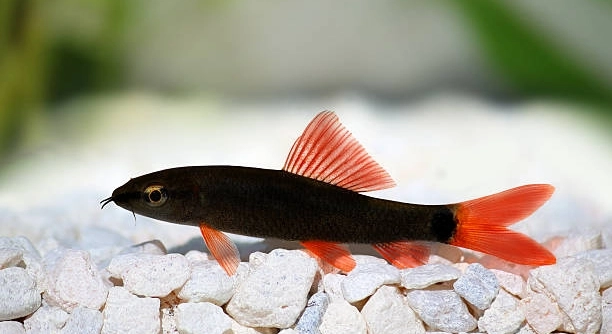
Rainbow sharks are popular freshwater fish known for their vibrant colors and active nature. Many aquarium enthusiasts want to ensure these fish are healthy and comfortable in their environment. Understanding their behavior and physical condition is essential for their well-being.
Rainbow sharks thrive when they display steady swimming patterns, bright coloration, clear eyes, healthy fins, good appetite, regular interaction with their environment, and minimal stress signs. Monitoring these indicators helps confirm their overall health and adaptation to tank conditions.
Recognizing these signs can help you maintain a thriving rainbow shark and create a balanced aquarium ecosystem. The following information highlights key points to watch for in your fish’s daily life.
Steady Swimming Patterns
Rainbow sharks are known for their active and smooth swimming. A thriving fish will swim steadily and explore its tank regularly without signs of lethargy or erratic movements. When a rainbow shark swims near the bottom or along the sides of the tank with confidence, it shows good health. Sudden jerky movements or floating near the surface may indicate stress or illness. These fish prefer hiding spots but will still swim openly at times, reflecting comfort in their environment. Watching their swimming patterns daily helps catch early health changes. Tank conditions like water quality, temperature, and space influence swimming behavior. A balanced tank environment encourages natural movement and reduces stress, promoting overall vitality. Ensuring the tank has hiding places and open swimming areas supports their active nature. Observing consistent, smooth swimming is one of the easiest ways to check if your rainbow shark is thriving.
Steady swimming reflects a healthy environment and a comfortable fish. Changes in movement may signal the need for tank adjustments.
Maintaining clean water and stable temperature creates a supportive habitat. Providing hiding spots reduces stress and encourages natural behaviors. When rainbow sharks swim confidently, it indicates good oxygen levels and proper tank size. Stress can lead to sluggish or erratic swimming, so daily observation is important. Behavioral changes can be a sign to test water parameters or check for illness. Proper diet and tank mates also affect activity levels. Keeping these factors in balance helps ensure your rainbow shark remains lively and healthy.
Bright Coloration
Bright and vivid colors are strong indicators of a rainbow shark’s health. When a fish displays vibrant reds, blues, and blacks, it usually means it is thriving. Dull or faded colors can result from poor water quality, stress, or nutritional deficiencies. A well-fed fish with a balanced diet often shows the best coloration. Stress from overcrowding or aggressive tank mates can also cause color loss. Regular water changes and a proper diet rich in protein help maintain color brightness. Color can also fluctuate during breeding or resting periods, but prolonged dullness is a concern. Watching for consistent bright coloration over time helps identify a healthy fish. Natural lighting or aquarium lights enhance their colors, making them easier to observe. Overall, bright coloration signals good health and contentment in their environment.
Color brightness is a visible sign of well-being and proper care.
Maintaining water quality, feeding nutritious food, and avoiding stressors promote vibrant colors. Regular tank maintenance supports this aspect of health, enhancing your fish’s natural beauty.
Clear Eyes
Clear and bright eyes are an important sign of a healthy rainbow shark. Cloudy or swollen eyes usually point to illness or poor water conditions. Checking their eyes regularly helps catch problems early.
Cloudy eyes can result from bacterial infections, poor water quality, or physical injury. Maintaining clean water with proper filtration reduces the risk of eye issues. If the eyes appear swollen or have white spots, it may require treatment or isolation. Eye clarity reflects overall tank health and the fish’s well-being. Regular water testing helps prevent conditions that cause eye problems. Avoid sudden changes in temperature or water chemistry, which can stress your fish and lead to eye issues. Healthy eyes make it easier for your rainbow shark to navigate and find food.
Proper care includes keeping the tank clean and stable. Using a balanced diet with vitamins supports eye health. Observation of eye condition is a simple but effective health check.
Healthy Fins
Healthy fins are smooth, intact, and free of tears or discoloration. Damaged fins often signal stress, injury, or disease. Watching your fish’s fins helps monitor its health status.
Fins can become damaged from fights with tank mates, rough decorations, or poor water quality. Fin rot, a common bacterial infection, causes ragged and discolored fins. Early detection of fin damage allows for quicker treatment and reduces suffering. Clean water and good nutrition support fin regeneration. Avoid overcrowding and aggressive fish that may nip fins. Healthy fins enable your rainbow shark to swim efficiently and maintain balance in the tank. Regular inspection is necessary, especially after introducing new fish or changes to the environment.
Treating fin issues involves improving water quality and sometimes medications. Providing hiding places reduces stress and injury risk. Prevention is key to maintaining fin health.
Good Appetite
A healthy rainbow shark eats regularly and shows interest in food. Loss of appetite may indicate stress or illness. Monitoring feeding habits is important for overall health.
Consistent eating supports energy levels and growth. A varied diet helps keep them strong and vibrant.
Regular Interaction with Environment
Rainbow sharks actively explore their tank, investigating decorations and plants. This behavior shows comfort and curiosity. A lack of interaction may suggest stress or poor health.
Providing hiding spots and open swimming areas encourages natural activity. Regular observation of this behavior helps ensure your fish is thriving.
Minimal Stress Signs
Stress in rainbow sharks shows through erratic swimming, hiding constantly, or faded colors. Keeping water conditions stable and avoiding aggressive tank mates reduces stress. Monitoring behavior closely can prevent long-term health problems.
Clear Water Conditions
Maintaining clear, clean water with proper filtration is essential. Dirty water leads to illness and stress. Regular water changes keep the tank safe and comfortable for your fish.
FAQ
How often should I feed my rainbow shark?
Feeding your rainbow shark once or twice a day is usually enough. Provide small amounts they can eat within a few minutes. Overfeeding can cause water pollution and health issues. A balanced diet with pellets, flakes, and occasional live or frozen foods keeps them healthy.
What water temperature is best for rainbow sharks?
Rainbow sharks thrive in water temperatures between 74°F and 80°F (23°C to 27°C). Keeping the temperature stable within this range helps reduce stress and prevent illness. Sudden changes in temperature should be avoided, as they can shock your fish and weaken their immune system.
Can rainbow sharks live with other fish?
Yes, but caution is necessary. Rainbow sharks are territorial and can be aggressive toward smaller or slow-moving fish. Best tank mates are fast, similar-sized fish that occupy different tank levels. Avoid overcrowding to reduce stress and territorial disputes.
How large should the tank be for a rainbow shark?
A minimum of 30 gallons is recommended for one rainbow shark. They need space to swim actively and establish territory. Larger tanks provide better water quality and reduce aggression. Adding hiding spots also helps them feel secure.
What signs indicate my rainbow shark is stressed?
Common stress signs include hiding constantly, faded colors, loss of appetite, and erratic swimming. Poor water quality, aggressive tank mates, and sudden changes in environment often cause stress. Monitoring these signs early allows prompt action.
How do I maintain water quality for rainbow sharks?
Regular water changes, usually 20-25% weekly, and proper filtration keep water clean. Test water parameters often, focusing on ammonia, nitrite, nitrate, and pH levels. Keeping these within safe limits ensures a healthy environment for your fish.
What should I do if my rainbow shark has damaged fins?
First, improve water quality and check for aggressive tank mates. If fin rot or infection is suspected, use appropriate antibacterial treatments. Removing stress factors and providing a clean environment helps fins heal faster. Regular observation is important.
Do rainbow sharks need hiding places in their tank?
Yes, hiding spots are essential. They provide a sense of security and reduce stress. Use rocks, plants, or decorations to create shelters. This helps rainbow sharks rest and avoid conflicts with tank mates.
How long do rainbow sharks typically live?
With proper care, rainbow sharks can live 5 to 8 years. Maintaining clean water, good diet, and a stress-free environment extends their lifespan. Regular monitoring and timely health care support long, healthy lives.
Is it normal for rainbow sharks to be more active at night?
Rainbow sharks are primarily active during the day but may become more active in low light or at night. This behavior can vary between individuals. Providing a consistent light schedule helps regulate their activity and stress levels.
Can rainbow sharks tolerate changes in water pH?
Rainbow sharks prefer a pH between 6.5 and 7.5. Sudden or extreme pH changes can cause stress or illness. It’s important to keep pH stable and test regularly to maintain this balance.
What is the best diet for a rainbow shark?
A balanced diet includes high-quality sinking pellets or wafers, supplemented with frozen or live foods like bloodworms or brine shrimp. Including plant-based foods supports their omnivorous nature. Variety helps maintain health and coloration.
How can I tell if my rainbow shark is healthy?
Healthy fish show bright colors, clear eyes, smooth fins, steady swimming, and a good appetite. Regular interaction with their environment and minimal stress behaviors also indicate good health.
Can stress affect the color of my rainbow shark?
Yes, stress often causes colors to fade or dull. Stressful conditions include poor water quality, overcrowding, or aggressive tank mates. Maintaining a stable environment helps keep colors vibrant.
Is it necessary to quarantine new fish before adding them to the tank?
Quarantining new fish is a good practice. It helps prevent disease introduction and allows observation of health before adding them to the main tank. A quarantine period of two weeks is usually sufficient.
How do I handle aggression in rainbow sharks?
Providing enough space, hiding places, and compatible tank mates reduces aggression. Removing overly aggressive fish or separating rainbow sharks may be necessary. Monitoring behavior closely helps manage conflicts.
Rainbow sharks are beautiful and active fish that add life to any freshwater aquarium. Taking good care of them requires attention to their behavior, appearance, and environment. Knowing how to recognize signs of a thriving rainbow shark helps ensure the fish remains healthy and comfortable. This involves observing their swimming patterns, color brightness, appetite, and interaction with the tank. Each of these signs reflects important aspects of their well-being. When these needs are met, rainbow sharks tend to live longer and show less stress.
Maintaining clean and stable water conditions is crucial. Water quality affects every part of a fish’s health, including their eyes, fins, and overall energy. Regular water changes, proper filtration, and careful monitoring of temperature and pH levels all contribute to a safe habitat. Diet also plays a key role. A balanced mix of pellets and occasional live or frozen foods provides the nutrients rainbow sharks need to stay vibrant and active. Avoiding overcrowding and providing hiding spaces reduces stress and helps prevent aggressive behavior.
By watching your rainbow shark’s daily habits and environment closely, you can catch small problems before they become serious. Consistency in care is important to keep your fish healthy over time. Whether it is feeding routines, tank maintenance, or monitoring behavior, regular attention benefits your fish and creates a more enjoyable aquarium. Rainbow sharks thrive best in a stable and well-maintained tank, where their natural behavior and colors can shine. With proper care, they become a rewarding addition to your home.

Hello,
If you enjoy the content that we create, please consider saying a "Thank You!" by leaving a tip.
Every little bit helps us continue crafting quality advice that supports the health, happiness, and well-being of pets around the world, for pets of all shapes, sizes, and species.
We really appreciate the kindness and support that you show us!