
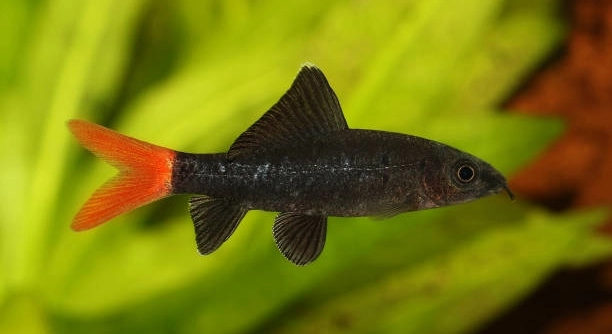
Is your rainbow shark acting more aggressive than usual, hiding often, or showing signs of stress when another fish enters its space?
Your rainbow shark may need a new tankmate if it displays territorial behavior, persistent aggression, or unusual withdrawal. These signs suggest its current companions may not be compatible, potentially affecting both its mental state and overall health.
Recognizing the right time to adjust tankmates can help maintain a peaceful, balanced environment for your rainbow shark to thrive.
Signs of Stress and Aggression
Rainbow sharks are naturally territorial, but ongoing aggression or stress can mean it’s time to reassess their tankmates. If your shark constantly chases others, flares its fins, or hides more often than usual, these behaviors should not be ignored. Constant fin nipping, chasing, or one fish dominating space are common signs of conflict. You may also notice torn fins, erratic swimming, or sudden loss of color. These signals often point to tension between the rainbow shark and its current companions. Over time, this stress can weaken the immune system and impact overall health. Monitoring how your fish interact is key to maintaining a peaceful tank. Avoid overstocking and ensure your tank provides enough hiding spaces. These steps help reduce territorial disputes and provide each fish with a sense of space.
Rainbow sharks need room to establish their own territory. Crowding or incompatible tankmates often leads to unwanted tension and unpredictable behavior.
When your rainbow shark starts showing these signs, it’s important to act quickly. Waiting too long can cause harm to other fish in the tank and damage your shark’s health. A calm, well-structured environment allows rainbow sharks to behave more naturally and feel more secure. Choosing the right tankmates is essential to reduce aggressive episodes.
Incompatible Tankmates
Rainbow sharks do not do well with other bottom-dwelling or aggressive fish. Keeping them together can quickly lead to conflict.
Many people unknowingly pair rainbow sharks with other semi-aggressive or territorial fish, such as red-tailed sharks, cichlids, or loaches. These combinations rarely work out well, even in larger tanks. Rainbow sharks are known for defending their space, especially the bottom level of the tank. When another fish starts claiming the same zone or refuses to back down, trouble begins. It’s not just about physical space but how each species reacts to others. Fish that don’t back away or that also challenge boundaries can create constant stress. Even some peaceful species may become targets if they swim too close or too often near the shark’s chosen area. When selecting tankmates, go for mid-to-top swimmers that are fast, peaceful, and not too small. Ideal companions include barbs, danios, or rainbowfish, which can keep to their own area and move quickly enough to avoid conflict.
Tank Size and Territory Needs
Rainbow sharks need plenty of space to feel secure and less territorial. A tank that’s too small increases stress and leads to frequent aggression toward other fish in the tank.
For one rainbow shark, a tank of at least 55 gallons is recommended. This gives them enough room to establish their own territory and avoid constant interaction with tankmates. A larger tank also allows for better swimming patterns and reduces the chance of unwanted encounters. You should include hiding spots like caves, driftwood, or plants, which help lower stress levels and allow fish to retreat when needed. Make sure there is enough open space for swimming too. Crowded or poorly structured tanks can lead to fights over space, especially near the bottom. A carefully arranged environment with balanced zones will help your rainbow shark behave more calmly around others.
Spacing is everything for rainbow sharks. If the tank is too small or lacks hiding spots, even peaceful tankmates may become targets. Adding visual barriers like rocks or decorations breaks up lines of sight and lowers aggressive behavior. It’s not just about tank size—layout matters too. Try to create distinct zones in the tank so each fish has its own area. This setup helps reduce conflict, gives your rainbow shark a sense of security, and encourages healthier, more stable behavior over time. A well-planned tank layout can prevent most aggression-related problems.
Behavioral Changes Over Time
Sometimes a rainbow shark that was once peaceful becomes aggressive as it matures. This shift is common and often tied to age, tank conditions, or growing territorial instincts.
A change in tankmates’ behavior can also trigger aggression. New fish, stress, or changes in routine can affect how your shark reacts.
Watching Tankmate Interactions
Observe how your rainbow shark interacts with other fish during feeding time and throughout the day. Are there signs of chasing, hiding, or nipping? These behaviors help reveal if the tank setup or companions are causing stress. Pay attention to patterns. Occasional chasing is normal, but daily aggression is not. Compatibility can change over time, especially as fish grow or the tank becomes more crowded. Keep an eye on subtle signs—restlessness, color loss, or constant hiding may signal that your shark feels threatened or overwhelmed. Regular observation helps you make adjustments before the situation escalates.
When to Rearrange the Tank
If aggression becomes frequent, try rearranging the tank to break up territory. New hiding places or visual barriers can reset boundaries.
FAQ
How can I tell if my rainbow shark is stressed?
Stress in rainbow sharks often shows through constant hiding, loss of color, erratic swimming, or aggression toward other fish. They may also stop eating or show physical signs like torn fins. These behaviors indicate that their environment or tankmates might not be suitable.
What tankmates are best for rainbow sharks?
Ideal tankmates are peaceful, mid-to-top level swimmers that don’t compete for the bottom territory. Barbs, danios, and rainbowfish usually work well. Avoid other bottom dwellers or aggressive species that may trigger fights or stress your shark.
Can I keep more than one rainbow shark together?
Keeping multiple rainbow sharks in the same tank is generally not recommended unless the tank is very large, well over 75 gallons. They are territorial and tend to fight, especially in smaller spaces.
What tank size is best for a rainbow shark?
A minimum of 55 gallons is recommended for one rainbow shark to allow enough space for swimming and territory. Larger tanks help reduce aggression and stress.
How often should I rearrange the tank?
Rearranging the tank every few months can help break up territories and reduce aggressive behavior. Add or move decorations and plants to create new hiding spots and visual barriers.
Why is my rainbow shark chasing other fish?
Chasing is often a sign of territorial behavior. It happens when your shark feels its space is being invaded or the tank is too crowded. Providing enough space and proper tankmates can reduce chasing.
What should I do if my rainbow shark is aggressive?
Try rearranging the tank and adding hiding places. If aggression continues, consider changing tankmates or upgrading to a larger tank. Separating aggressive fish may be necessary to prevent injury.
Do rainbow sharks need hiding spots?
Yes, hiding spots like caves, plants, and driftwood help rainbow sharks feel secure. These places allow them to retreat and reduce stress.
Can stress affect my rainbow shark’s health?
Chronic stress weakens the immune system, making fish more vulnerable to disease. It can also lead to changes in behavior, poor appetite, and overall poor health.
Is it normal for rainbow sharks to hide a lot?
Occasional hiding is normal, but constant hiding can signal stress or fear caused by aggressive tankmates or poor tank conditions.
How can I prevent aggression in my tank?
Maintain a large enough tank, choose compatible tankmates, provide hiding spots, and rearrange decorations regularly to break up territories. Monitor fish behavior closely to address problems early.
What signs show my rainbow shark is unhappy with its tankmates?
Signs include chasing, fin nipping, increased hiding, loss of color, and refusal to eat. These behaviors suggest poor compatibility and a need for change.
Can adding more plants help reduce aggression?
Plants act as visual barriers and provide hiding places, which can reduce aggression and stress. Live plants are especially helpful but even artificial ones can create zones.
Is feeding routine important for rainbow sharks’ behavior?
Yes, consistent feeding helps reduce stress and competition. Uneaten food should be removed quickly to keep water quality high and avoid territorial disputes during feeding time.
What water conditions support a calm rainbow shark?
Stable water temperature between 72-79°F, neutral to slightly acidic pH (6.5-7.5), and clean, well-filtered water support healthy behavior. Poor water quality increases stress and aggression.
Can overcrowding cause problems with rainbow sharks?
Overcrowding increases competition for space and resources, leading to stress and aggression. It’s important to keep the tank population balanced and within recommended limits.
These questions cover common concerns that help keep your rainbow shark healthy and peaceful with the right tankmates. Monitoring behavior and tank conditions regularly is key to a successful aquarium.
Final thoughts on caring for your rainbow shark and its tankmates focus on creating a balanced environment where stress and aggression are minimized. Rainbow sharks have specific needs that, when met, allow them to thrive peacefully. Their territorial nature means they require enough space and compatible companions. Observing their behavior closely helps identify early signs of discomfort or conflict. Acting on these signs quickly can prevent harm and ensure a healthy, calm tank atmosphere.
Choosing the right tank size is essential. A minimum of 55 gallons provides enough room for a single rainbow shark to establish its territory without constant conflict. Larger tanks offer even better conditions by giving all fish more space to swim freely. Along with size, the tank’s layout plays a big role. Adding hiding spots and visual barriers helps break up the tank into smaller zones. This arrangement reduces direct confrontations and gives fish places to retreat when needed. Good water quality and stable conditions also support a peaceful environment, as poor conditions often increase stress and aggression.
Finally, selecting appropriate tankmates is crucial for a rainbow shark’s well-being. Peaceful, fast-swimming fish that occupy different tank levels are usually the best fit. Avoid pairing your shark with other bottom dwellers or aggressive species to prevent ongoing fights. Regularly monitoring interactions and adjusting tankmates or tank setup when needed will keep the community healthy and happy. Taking these steps ensures your rainbow shark lives in a stable, stress-free environment, allowing its natural behavior to shine through.

Hello,
If you enjoy the content that we create, please consider saying a "Thank You!" by leaving a tip.
Every little bit helps us continue crafting quality advice that supports the health, happiness, and well-being of pets around the world, for pets of all shapes, sizes, and species.
We really appreciate the kindness and support that you show us!