
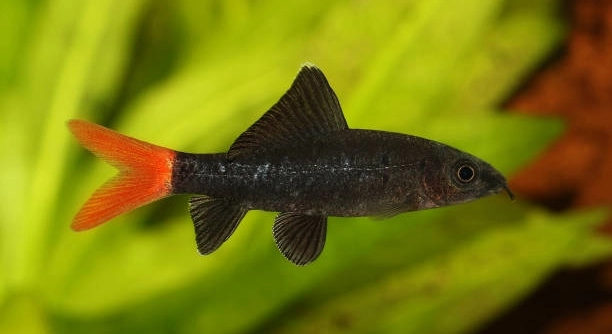
Rainbow sharks are popular aquarium fish known for their striking colors and active behavior. Maintaining good water conditions is essential for their health and longevity. Poor water quality can lead to stress and illness in these fish.
Improving water conditions for rainbow sharks involves regular water changes, monitoring key parameters like pH and ammonia, maintaining proper filtration, and avoiding overcrowding. These steps help create a stable and clean environment necessary for their well-being.
Understanding how to manage water quality will help keep your rainbow shark healthy and vibrant. The following tips offer practical ways to enhance their aquatic habitat.
Regular Water Changes Are Essential
Regular water changes help maintain clean water by removing waste and toxins. Changing 20-30% of the water weekly keeps ammonia, nitrites, and nitrates at safe levels. It also replenishes essential minerals and oxygen, supporting your rainbow shark’s health. Use a water conditioner to treat tap water before adding it to the tank. Avoid changing too much water at once, as this can shock the fish. Consistency is key, so setting a schedule helps keep water quality stable. Use a gravel vacuum to clean the substrate and remove debris during water changes. These small steps prevent buildup of harmful substances and support a balanced environment for your fish to thrive. Regular monitoring of water parameters alongside water changes provides better control over water quality and helps detect potential problems early.
Routine water changes reduce disease risk and promote a healthy, active rainbow shark with vibrant colors. They are fundamental for any successful aquarium setup.
Regular water changes keep the tank safe and your fish comfortable.
Proper water maintenance requires more than just changes—it includes careful observation and adjustment to maintain balance.
Monitoring Water Parameters
Testing water parameters regularly helps catch imbalances before they harm your rainbow shark. Important values include pH, ammonia, nitrites, nitrates, and temperature. Rainbow sharks prefer slightly acidic to neutral pH between 6.5 and 7.5. Ammonia and nitrites should be at zero, while nitrates should stay below 20 ppm. Use reliable test kits to track these levels at least once a week or more often if issues arise. Stable temperature between 74°F and 80°F supports your fish’s metabolism and immune system. Sudden changes in any parameter stress the fish and weaken their resistance to disease. Keeping a log of your test results can help identify trends and guide adjustments. If any readings are off, partial water changes and adjusting filtration can restore balance. Monitoring ensures your rainbow shark’s environment stays safe and comfortable over time. This care reduces stress and encourages natural behavior and growth.
Proper Filtration
A good filtration system is vital to keep your aquarium water clean and clear. It removes waste, excess food, and harmful chemicals, helping maintain a healthy environment for your rainbow shark.
Choosing a filter rated for your tank size is important. Over-filtering ensures efficient cleaning but avoid strong currents that stress your fish. Mechanical filtration traps solid debris, biological filtration breaks down toxic ammonia and nitrites, and chemical filtration removes impurities. Regularly clean or replace filter media to maintain effectiveness. Avoid washing filter media with tap water to preserve beneficial bacteria. Position the filter outlet to create gentle water movement, simulating natural conditions. A well-maintained filter reduces the frequency of water changes and improves overall water quality, making it easier to care for your rainbow shark.
Filters with multiple stages of filtration provide the best results. Consider using sponge filters or adding bio-media for additional biological filtration. This helps stabilize water chemistry and supports a thriving aquatic environment.
Avoid Overcrowding
Overcrowding in the aquarium leads to poor water quality and stressed fish. Keeping too many fish increases waste and depletes oxygen, harming your rainbow shark’s health.
A tank of at least 30 gallons is recommended for one rainbow shark, with additional space needed for other fish. Overstocking makes it harder to maintain stable water conditions and increases competition for food and hiding spots. Crowded tanks also raise the risk of aggression and disease outbreaks. Provide adequate space, hiding places, and proper filtration to reduce stress. Regularly observe your fish for signs of stress or illness, which may indicate overcrowding. Balancing fish numbers helps ensure a peaceful and healthy aquarium environment. This allows your rainbow shark to swim freely and exhibit natural behavior, contributing to its well-being.
Maintain Stable Temperature
Keeping a stable temperature is important for your rainbow shark’s health. Sudden fluctuations can stress the fish and lead to illness.
Use a reliable aquarium heater and thermometer to monitor the water temperature daily. Aim to keep it between 74°F and 80°F for optimal comfort.
Use Live Plants
Live plants improve water quality by absorbing nitrates and providing oxygen. They also create a natural environment, offering shelter and reducing stress for your rainbow shark. Plants help balance the tank’s ecosystem and make maintenance easier.
Avoid Overfeeding
Feeding your rainbow shark the right amount prevents excess waste buildup in the tank. Overfeeding pollutes the water and harms water conditions. Offer small portions once or twice a day, and remove uneaten food promptly to keep the aquarium clean.
FAQ
How often should I test the water for my rainbow shark?
Testing water once a week is usually enough for a well-established tank. If you notice signs of stress or illness in your fish, test more often. Monitoring pH, ammonia, nitrites, and nitrates regularly helps catch problems early and keeps the environment stable.
What is the ideal pH level for rainbow sharks?
Rainbow sharks prefer slightly acidic to neutral water. Aim for a pH between 6.5 and 7.5. Sudden changes in pH can stress your fish, so keep it stable by using buffering agents if needed and avoid mixing tap water from different sources.
Can I keep rainbow sharks with other fish?
Yes, but be cautious. Rainbow sharks can be territorial, especially in small tanks. Choose peaceful, similarly sized tank mates and provide plenty of hiding spots. Avoid slow-moving or long-finned fish, as they might become targets for aggression.
What kind of filtration is best for rainbow shark tanks?
A filter that provides mechanical, biological, and chemical filtration is ideal. Mechanical filtration removes debris, biological filtration breaks down toxic compounds, and chemical filtration removes impurities. Make sure the filter suits the tank size and does not create strong currents.
How often should I perform water changes?
Perform partial water changes of 20-30% weekly. This routine helps remove toxins and replenish essential minerals. Avoid changing too much water at once to prevent shocking your fish. Use a water conditioner to treat tap water before adding it to the tank.
What should I feed my rainbow shark?
Rainbow sharks are omnivores. Provide a balanced diet including high-quality sinking pellets, flakes, and occasional live or frozen foods like bloodworms and brine shrimp. Feed small portions once or twice a day and remove leftover food to maintain water quality.
Why is my rainbow shark hiding all the time?
Hiding can indicate stress from poor water conditions, overcrowding, or aggressive tank mates. Ensure water parameters are stable, the tank is spacious, and that the fish have enough hiding spots. If hiding continues, check for illness or injury.
What temperature range should I keep for my rainbow shark?
Maintain water temperature between 74°F and 80°F. Sudden fluctuations can weaken their immune system. Use a reliable heater and thermometer to keep the temperature steady. Avoid placing the tank near drafts or direct sunlight.
How do I reduce algae growth in the tank?
Control algae by limiting excess nutrients, avoiding overfeeding, and keeping the tank well-lit for 8-10 hours daily. Regular water changes and live plants also help. If algae growth is heavy, consider adding algae-eating species compatible with rainbow sharks.
Can I use tap water directly for water changes?
No, always treat tap water with a water conditioner to remove chlorine, chloramines, and heavy metals. These chemicals are harmful to fish. Letting tap water sit for 24 hours can remove chlorine but not chloramines, so using a conditioner is safer and faster.
What are signs of poor water conditions?
Signs include cloudy water, foul odor, excessive algae, fish gasping at the surface, lethargy, loss of color, or unusual behavior. Regular testing and maintenance prevent these issues. Address any signs quickly to avoid serious health problems for your rainbow shark.
How important is tank size for rainbow sharks?
A minimum of 30 gallons is recommended for one rainbow shark. Larger tanks reduce aggression and help maintain water quality. More space also allows your fish to swim actively and display natural behaviors, which is vital for their well-being.
Should I clean the filter media during maintenance?
Clean filter media gently in tank water during water changes to preserve beneficial bacteria. Avoid using tap water or harsh detergents, as these can kill bacteria and disrupt biological filtration. Replace media only when it becomes ineffective or damaged.
How can I tell if my rainbow shark is healthy?
Healthy rainbow sharks are active, have bright colors, clear eyes, and show regular appetite. They swim confidently and interact with their environment. Watch for changes in behavior or appearance that could indicate stress or illness.
Is it necessary to quarantine new fish before adding them to the tank?
Quarantining new fish for 2-4 weeks helps prevent disease spread. Observe for signs of illness and treat if needed before introducing them to the main tank. This practice protects your rainbow shark and other aquatic life from infections.
Maintaining good water conditions for your rainbow shark is essential for its health and happiness. Consistent care, such as regular water changes and monitoring water quality, creates a safe and stable environment. Proper filtration and avoiding overcrowding also play important roles in keeping the water clean and balanced. These steps reduce stress on your fish and help prevent disease, allowing your rainbow shark to thrive.
It is important to remember that every aquarium is different, and water conditions can change due to many factors. Paying attention to your tank’s specific needs through regular testing and observation will help you respond quickly to any issues. Small adjustments, like controlling feeding amounts and maintaining stable temperature, contribute significantly to water quality. Taking these simple actions makes a noticeable difference in the overall well-being of your rainbow shark.
Caring for your rainbow shark involves ongoing effort, but the results are rewarding. A clean, well-maintained tank supports vibrant colors and active behavior. By following basic water care tips, you ensure a comfortable home for your fish. This creates a pleasant aquarium experience and helps your rainbow shark live a long, healthy life. Consistency and attention to detail are key to successful fish keeping.

Hello,
If you enjoy the content that we create, please consider saying a "Thank You!" by leaving a tip.
Every little bit helps us continue crafting quality advice that supports the health, happiness, and well-being of pets around the world, for pets of all shapes, sizes, and species.
We really appreciate the kindness and support that you show us!