
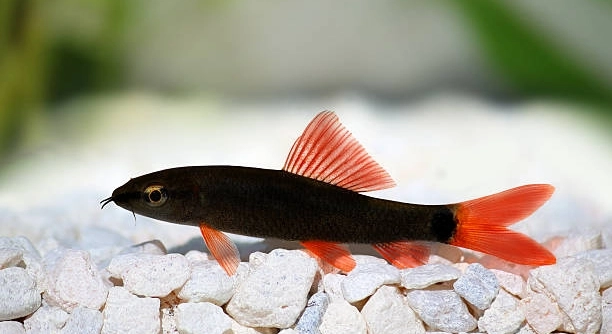
Is your rainbow shark spending more time hiding than swimming confidently through the tank like it used to? This behavior can be worrying, especially if it’s sudden or persistent. Let’s take a closer look at what’s going on.
Increased hiding in rainbow sharks is often linked to stress, territorial disputes, illness, or poor tank conditions. These factors affect their natural behavior and can signal underlying issues that need to be addressed for their well-being.
From water quality to social stress, these reasons explain why your rainbow shark may be seeking cover more than usual.
Stress From Tank Mates
Rainbow sharks are naturally territorial, especially as they mature. When housed with other bottom dwellers or similarly shaped fish, they can become stressed. This often leads to more hiding, as they try to claim a safe area away from others. Adding aggressive or overly active fish to their tank can make things worse. Stressful interactions happen when there isn’t enough space or when tank mates invade the rainbow shark’s chosen territory. This creates tension and anxiety, causing the fish to retreat more often. Ensuring that your rainbow shark has enough room and compatible tank mates is essential. A well-balanced tank setup can help reduce stress and restore natural behavior. Avoid housing rainbow sharks with other semi-aggressive fish unless you have a large tank with plenty of hiding spots and territories for each fish. When tank mates are chosen carefully, your rainbow shark will feel safer and more confident in its space.
Aggression in the tank can push rainbow sharks into constant hiding. They may feel threatened and avoid open swimming altogether.
It helps to rearrange tank decor when adding new fish. This breaks established territories and reduces conflict. Provide hiding spots like caves or plants so the shark can feel secure. Watch their behavior closely after any tank changes.
Poor Water Conditions
Water quality is a major factor in your rainbow shark’s health and behavior.
When water conditions fall outside ideal ranges, rainbow sharks can become stressed and less active. High ammonia, nitrite, or nitrate levels can cause discomfort or illness. Poor filtration or infrequent water changes are common reasons for these imbalances. Rainbow sharks need stable water conditions, including a pH between 6.5 and 7.5 and a temperature between 75°F and 80°F. Inconsistent water quality can damage their gills and weaken their immune systems, causing them to hide more. You might notice them staying near the bottom, breathing heavily, or showing faded colors. Using a good test kit to check water parameters weekly can prevent serious issues. It’s important to perform regular water changes, clean the substrate, and avoid overfeeding. These small habits support a healthier environment. If your shark starts hiding suddenly, test the water immediately. Addressing the problem quickly can prevent lasting damage and help your fish recover its normal activity level.
Lack of Hiding Spots
A tank without enough hiding spots can make rainbow sharks feel unsafe. Even though they are bold at times, they still need quiet places to rest and retreat. Without shelter, they may hide more often or act skittish around other fish.
Rainbow sharks rely on shaded areas to feel secure, especially during the day. Natural hiding spots like rocks, driftwood, and plants can reduce stress and help them behave normally. Without these, they may seek out dark corners or stay behind filters. When the tank feels too open, rainbow sharks don’t feel protected. Adding caves or decor gives them a place to retreat when needed. These spots also help them establish territory and reduce aggression toward other fish. A balanced tank layout keeps your shark calm and confident. Make sure there’s a mix of open space and shelter throughout the tank to suit their changing moods.
Once you add proper hiding spaces, you’ll often notice a quick change. The rainbow shark may start swimming more freely again, exploring its environment with confidence. Hiding becomes less about fear and more about comfort. A well-structured tank gives them the control they need to feel safe. It’s an easy fix that makes a big difference in their behavior.
Illness or Injury
Sickness can make your rainbow shark sluggish and withdrawn. Hiding is a natural way for fish to protect themselves when they feel unwell. If this behavior is new and paired with other symptoms, illness may be the reason.
Watch for changes in appetite, color loss, clamped fins, or labored breathing. These are often signs something is wrong. Common causes include bacterial infections, parasites, or physical injuries from tank mates or sharp decor. Hiding becomes their way to avoid further stress. When you see these symptoms, act quickly. Isolate the fish if needed, check water parameters, and consider medication based on the symptoms. Use aquarium salt or approved treatments when necessary. Keeping the tank clean and feeding high-quality food also supports recovery. Catching signs early can prevent a more serious issue. Never ignore a sudden change in hiding behavior when it’s paired with visible signs of distress. It’s usually a call for help.
Lighting Is Too Harsh
Bright lighting can make rainbow sharks feel exposed and anxious. When there’s no shade or dim areas, they may hide to avoid the glare. They prefer a setup that includes both light and shadowed zones.
Use floating plants or dimmable lights to soften the tank’s brightness. Creating shaded areas helps your shark feel more secure and calm.
Change in Tank Environment
Rainbow sharks are sensitive to sudden changes in their environment. Rearranging decor, introducing new fish, or even moving the tank can lead to hiding. They need time to adjust, and this stress response is common. Always make changes gradually to avoid overwhelming them. Give them space and consistency to regain confidence.
Normal Behavior During Growth
Young rainbow sharks often hide more as they grow and adapt. It’s part of their natural development. As long as water quality is good and there are no signs of illness, this behavior is usually nothing to worry about.
FAQ
Why is my rainbow shark hiding all of a sudden?
Sudden hiding is often a stress response. It may be caused by a change in tank setup, aggressive tank mates, or poor water quality. Even a loud noise or strong movement near the tank can startle them. Check for any recent changes and observe your fish closely. Look for additional signs like lack of appetite, heavy breathing, or fading color. These can help point to the reason. It’s important to test the water and make sure ammonia, nitrite, and nitrate levels are safe. Give the shark time to settle and avoid making more changes while it adjusts.
Can rainbow sharks get scared easily?
Yes, they can be easily startled by new movements, flashing lights, or loud noises. Although they may act bold at times, rainbow sharks are still cautious fish. Sudden activity near the tank, bright flashes from the TV, or unexpected visitors can send them into hiding. They need a calm and quiet environment to feel safe. Keeping the tank in a low-traffic area can help reduce sudden stress. Using background covers and soft lighting can also make them feel more protected. Avoid tapping on the glass or making fast movements near the tank.
Is it normal for rainbow sharks to hide during the day?
Some hiding during the day is normal, especially if they have shaded spots or caves in the tank. Rainbow sharks are active swimmers, but they also rest throughout the day. If the tank has bright lighting or too much activity, they may choose to stay hidden until it feels quieter or darker. As long as the fish is eating well, swimming normally at other times, and not showing signs of distress, this type of behavior is not usually a concern. Monitor for any new symptoms if hiding becomes constant or is paired with other changes.
What kind of tank setup helps reduce hiding?
A tank setup that includes hiding spots, natural decor, and open swimming areas helps create balance. Use driftwood, caves, and plants to give your rainbow shark places to retreat. At the same time, leave open space for swimming to allow them to feel free and confident. Keep lighting soft and avoid overcrowding the tank. Tank mates should be calm and non-aggressive. A 55-gallon tank or larger is ideal for one rainbow shark, especially if there are other fish present. Providing a stable, clean environment will encourage your shark to explore more and hide less.
How long should I wait before worrying about hiding behavior?
If the hiding behavior is new and has lasted more than a few days, it’s worth checking the tank conditions. Start by testing water quality, checking temperature, and watching for symptoms of illness or injury. If everything seems normal and the fish is still eating, give it a little more time to adjust. However, if the hiding comes with other issues like color loss, no appetite, or breathing changes, take action quickly. Sometimes hiding is harmless, but other times it’s a sign of something deeper. Observation and small adjustments can make a big difference.
Should I be concerned if my rainbow shark hides more after adding new fish?
Yes, that’s a common response to new tank mates. Rainbow sharks are territorial, and adding new fish can disrupt their sense of security. They might feel threatened or unsure of their territory. It’s best to add new fish gradually and rearrange the decor slightly when doing so. This helps break up any established territories and gives all fish a fresh start. Watch how the rainbow shark interacts with the newcomers. If it continues to hide or shows signs of stress, consider separating aggressive fish or expanding the tank size if needed.
Final Thoughts
Hiding is a natural behavior in rainbow sharks, but it becomes a concern when it starts happening more than usual. Many factors can lead to this change—stress, poor water quality, illness, or even bright lighting. Each of these issues can make your fish feel unsafe or uncomfortable. That’s why it’s important to pay attention to your tank setup, tank mates, and any changes in your shark’s behavior. The smallest shift in their environment can affect how they act. When they don’t feel secure, they’ll naturally retreat to areas where they feel hidden and protected.
Most of the time, hiding can be improved by making a few simple changes. Adding more hiding spots, adjusting lighting, or removing aggressive fish from the tank can help your rainbow shark feel more at ease. Testing the water regularly and maintaining a clean tank also supports their health. When your shark feels comfortable in its environment, it will swim more freely and act more naturally. These small steps not only reduce hiding but also help you prevent future problems. Keeping an eye on your fish’s normal behavior will make it easier to catch issues early. The more consistent the environment, the better your fish will respond.
It’s important to remember that every fish behaves a little differently. Some rainbow sharks will naturally hide more than others. What matters most is knowing what’s normal for your fish and acting when things change. If your shark seems healthy and only hides occasionally, it’s likely not a problem. But when hiding becomes constant or is paired with other signs of stress, it should be taken seriously. A calm, well-kept tank makes a big difference in their behavior. The key is to stay observant and make gentle adjustments when needed. Your rainbow shark depends on you to create a stable and safe home, and with a little attention, it can thrive and show its full personality.

Hello,
If you enjoy the content that we create, please consider saying a "Thank You!" by leaving a tip.
Every little bit helps us continue crafting quality advice that supports the health, happiness, and well-being of pets around the world, for pets of all shapes, sizes, and species.
We really appreciate the kindness and support that you show us!