
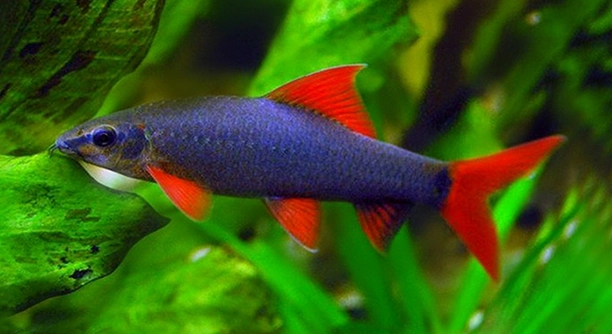
Many people enjoy keeping rainbow sharks in their home aquariums. These fish add vibrant color and movement to any tank. Ensuring their environment is healthy is important for their well-being and happiness.
Rainbow sharks need adequate plant coverage in their tanks to feel secure and reduce stress. Plants provide hiding spots, improve water quality, and support natural behavior, which helps maintain the fish’s health and vitality over time.
Knowing the signs that your rainbow shark needs more plants will help you create a better habitat. This article will guide you through what to watch for and how to improve your tank setup.
Signs of Stress and Hiding Behavior
When a rainbow shark lacks enough plants, it often shows signs of stress. You may notice your fish spending more time hiding or darting around nervously. Plants act as natural cover, giving them a safe space to retreat when they feel threatened. Without this, the fish can become restless and anxious, which affects their overall health. Stress can lead to weakened immunity, making the rainbow shark more vulnerable to diseases. In some cases, the fish may also show aggressive behavior towards tank mates as a result of feeling exposed.
These behavioral changes are a clear indication that your tank environment needs more vegetation. The plants not only offer hiding spots but also help to reduce reflections and sudden movements that can scare the fish.
Adding plants creates a more balanced space, encouraging your rainbow shark to relax and display normal, calm behaviors. This makes the tank more peaceful for all its inhabitants and promotes a healthier ecosystem.
Water Quality and Oxygen Levels
Poor water quality often results when there aren’t enough plants in the tank.
Plants absorb harmful substances like nitrates and carbon dioxide while releasing oxygen during photosynthesis. Without enough plants, toxins can build up, and oxygen levels may drop, leading to unhealthy water conditions for your rainbow shark.
Regular water tests can show rising nitrate levels or low oxygen, indicating that plants are insufficient. Plants also support beneficial bacteria that help break down waste, improving overall water clarity. Without this natural filtration, you might need more frequent water changes to keep the tank safe.
Choosing hardy, fast-growing plants can help stabilize the environment. They will filter waste effectively and produce oxygen to support your fish’s respiration. This keeps the tank balanced and reduces the risk of illness caused by poor water quality. Adding more plants is a natural way to maintain clean, oxygen-rich water that benefits every living creature in your aquarium.
Changes in Color and Appetite
A rainbow shark that lacks enough plants may show duller colors. When stressed or uncomfortable, their vibrant red fins and sleek bodies lose brightness. This change is often subtle but noticeable over time.
Poor plant coverage affects the fish’s mood and health. Stress from a bare tank can reduce appetite, causing the fish to eat less or refuse food. Plants create a natural environment that encourages normal feeding behavior.
Plants also provide shade and resting spots. Without them, fish may become overly exposed, which can further decrease their interest in eating. A well-planted tank supports a balanced diet by keeping your rainbow shark calm and active during feeding times.
Excessive Swimming and Restlessness
If your rainbow shark swims nonstop or appears restless, it could be due to a lack of plants. Without enough hiding places, the fish feels exposed and uneasy.
Restlessness often means the fish is searching for shelter or trying to escape bright lights. This behavior can cause unnecessary energy loss and fatigue. Adding plants reduces stress by offering cover and helping the fish settle. A planted tank mimics the rainbow shark’s natural habitat, allowing it to move calmly and confidently.
Providing enough plants also prevents territorial disputes, as the fish can claim different spaces. This creates a more peaceful aquarium environment and promotes healthier behavior. Overall, more plants mean less restlessness and a happier fish.
Increased Algae Growth
Too few plants in the tank can lead to increased algae growth. Plants compete with algae for nutrients, so without enough greenery, algae may take over surfaces and decorations. This can make the tank look dirty and affect water quality.
Algae buildup also reduces oxygen levels at night, stressing your rainbow shark. Maintaining a good balance of plants helps keep algae under control and supports a cleaner environment.
Signs of Aggression
When there are not enough plants, rainbow sharks can become more aggressive. Without sufficient hiding spots, they may feel threatened and compete for territory more aggressively. This can lead to frequent chasing and fin nipping between fish.
Resting Spots Are Important
Rainbow sharks need places to rest and hide during the day. Plants provide these spots, giving the fish a safe area to relax. Without enough plants, your fish may appear restless and tired. Adding more plants helps create a comfortable space for your rainbow shark to unwind.
FAQ
How many plants does a rainbow shark need in its tank?
The number of plants depends on the tank size, but generally, a tank should be at least 50% planted. This allows the rainbow shark enough hiding places and swimming room. More plants help create a natural, balanced environment that reduces stress and supports healthy behavior.
What types of plants are best for rainbow sharks?
Hardy, fast-growing plants like Java fern, Anubias, and Amazon sword are excellent choices. These plants tolerate a range of water conditions and provide good coverage. Floating plants like duckweed or hornwort can add extra shade, helping the fish feel secure.
Can live plants improve water quality?
Yes, live plants absorb nitrates and other harmful chemicals, improving water quality. They also produce oxygen during the day, which benefits all tank inhabitants. Plants reduce algae growth by competing for nutrients and create a healthier environment overall.
How do I know if my rainbow shark is stressed?
Common signs include hiding excessively, dull colors, reduced appetite, and restless swimming. Aggression or fin-nipping might also appear. These behaviors often indicate the fish feels unsafe or uncomfortable, which can be caused by too few plants or poor tank conditions.
Is it okay to use artificial plants instead of live ones?
Artificial plants provide hiding spots but do not improve water quality. Live plants help create a more natural environment and contribute to the tank’s biological balance. For the best health of your rainbow shark, a mix of live plants is recommended.
How often should I add or replace plants in the tank?
Plants should be added when the tank looks bare or if your fish shows signs of stress. Fast-growing plants may need trimming or replacing regularly to keep the tank balanced. Regular plant maintenance ensures good coverage and water quality.
Can too many plants be harmful?
Too many plants can limit swimming space and reduce oxygen levels at night when plants consume oxygen. However, this is rare if the tank is well-maintained with proper lighting and filtration. Aim for a good balance between open water and planted areas.
What should I do if my plants keep dying?
Check water parameters like pH, temperature, and lighting. Some plants need specific conditions to thrive. Poor substrate or lack of nutrients may also cause plants to die. Using plant fertilizers and adjusting tank conditions can help improve plant health.
Are floating plants good for rainbow sharks?
Floating plants provide shade and reduce bright light, helping rainbow sharks feel more secure. They also absorb excess nutrients, which limits algae growth. However, avoid overdoing floating plants as they can block too much light from reaching other plants.
How do plants affect tank mates?
Plants offer hiding spots and reduce aggression by creating territories. They also improve overall water quality, benefiting all fish in the tank. A well-planted tank encourages natural behavior and peaceful coexistence among different species.
What is the best way to introduce new plants?
Rinse new plants thoroughly to remove pests or chemicals. Plant them in substrate or attach to decorations. Introduce them slowly to let the tank ecosystem adjust. Monitoring water parameters after adding plants helps prevent sudden changes.
Can plants help prevent diseases in rainbow sharks?
Yes, healthy plants improve water quality and reduce stress, both of which lower disease risk. Plants provide shelter that protects fish from aggressive tank mates and environmental stressors, supporting better immune function.
How long does it take for plants to make a difference?
Plants start improving water quality and fish behavior within days to weeks. It may take longer for the tank to reach full balance, depending on plant growth rate and tank size. Regular care speeds up this process.
Are some plants toxic to rainbow sharks?
Most common aquarium plants are safe, but avoid plants treated with pesticides or fertilizers harmful to fish. Research any new plant species before adding them to your tank.
What if my rainbow shark still looks stressed with plants?
Other factors like water quality, tank size, and compatible tank mates affect stress. Ensure proper filtration, correct water parameters, and enough swimming space. Sometimes, rearranging plants or decorations can create better hiding spots.
Adding enough plants to a rainbow shark’s tank is important for its health and happiness. Plants provide more than just decoration—they create safe spaces where the fish can hide and feel secure. When a tank is lacking in plants, rainbow sharks may become stressed, restless, or even aggressive. This can lead to changes in their behavior and appearance, which is not good for their well-being. By giving your fish plenty of plants, you help create a natural environment that supports its needs and reduces stress.
Plants also play a key role in keeping the tank’s water clean and healthy. They absorb harmful chemicals like nitrates and produce oxygen, which is necessary for fish to breathe. Without enough plants, water quality can decline quickly, making the tank less suitable for your rainbow shark. Poor water quality may cause illness and shorten the life of your fish. Maintaining a good balance of plants means you will need fewer water changes and the tank will be easier to care for overall. This natural method of filtration benefits all the living creatures in your aquarium.
Choosing the right plants and keeping them healthy is important too. Hardy, low-maintenance plants like Java fern or Anubias work well with rainbow sharks. Regular trimming and care will keep the plants growing and the tank balanced. While it can take some time to find the right plant setup, the effort is worth it. A well-planted tank provides a more comfortable and stable home for your rainbow shark. This not only improves the fish’s quality of life but also makes the aquarium more enjoyable to watch. Taking care of your tank’s plants is an important part of being a responsible fish keeper.

Hello,
If you enjoy the content that we create, please consider saying a "Thank You!" by leaving a tip.
Every little bit helps us continue crafting quality advice that supports the health, happiness, and well-being of pets around the world, for pets of all shapes, sizes, and species.
We really appreciate the kindness and support that you show us!