
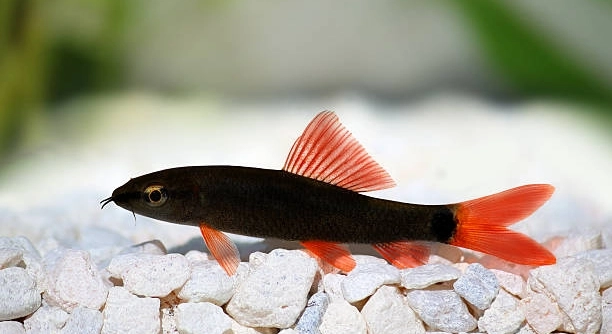
Do you ever find yourself wondering what it takes to successfully breed rainbow sharks in your home aquarium? These vibrant freshwater fish are known for their beauty and bold personalities, but breeding them isn’t as easy as it may seem.
Rainbow shark breeding is extremely rare in home aquariums due to their territorial nature and need for very specific conditions. In most cases, successful breeding only occurs in large, specialized tanks or commercial fish farms.
Breeding rainbow sharks involves more than just pairing two fish together—it requires patience, planning, and a good understanding of their natural behavior and environment.
Rainbow Sharks Are Not Naturally Easy to Breed
Breeding rainbow sharks can be challenging even for people with experience. In the wild, these fish have large spaces to claim territory, which helps reduce stress and aggression. In home aquariums, however, their aggressive behavior can make it hard to keep a pair together. They need lots of room to swim, places to hide, and a carefully controlled environment. It’s also important to know that not all rainbow sharks will pair up naturally. Even if they are male and female, they may still fight. Because of these factors, successful breeding in home tanks is rare.
Many people attempt breeding without realizing how difficult it is. These fish often become aggressive when they feel confined or stressed.
If you still want to try, you’ll need a very large tank—at least 125 gallons—with plenty of hiding spots and smooth surfaces. Keeping just one male with a single female can help reduce territorial conflict. You’ll also need to carefully monitor their health and behavior to make sure they are not harming each other. A calm, clean setup is key. Frequent water changes and stable conditions can improve your chances. But even with the right setup, breeding is not guaranteed. Patience and close observation are important throughout the process.
Environmental Conditions Must Be Controlled
Rainbow sharks need a very specific environment to even consider breeding. Their tank should be quiet, clean, and stable. Even small changes in water quality or lighting can affect their behavior.
Keep the water temperature between 75°F and 81°F, with a slightly acidic to neutral pH of 6.5 to 7.5. High-quality filtration is essential, but it should not create strong currents, as rainbow sharks prefer calmer waters. Include smooth rocks, caves, and live plants to give them safe hiding places. Tank lighting should remain consistent, and sudden changes in brightness should be avoided. Feeding also plays a role. Provide a varied diet with high-protein foods like bloodworms or brine shrimp. These nutritional boosts can help condition the fish for spawning. Avoid overfeeding, as it can foul the water. Lastly, check water parameters regularly to avoid any fluctuations. Rainbow sharks are sensitive to changes, and stable water conditions can help reduce aggression and stress.
Not All Rainbow Sharks Will Mate
Some rainbow sharks will never form a breeding pair, no matter the conditions. They are naturally territorial, and most do not tolerate another shark in their space, even one of the opposite sex.
It can be hard to tell males from females, especially when they’re young. Males are usually thinner with brighter colors, while females tend to be rounder and slightly duller in shade. Even if you correctly sex a pair, they still may not bond or tolerate one another. Aggression can start quickly, often leading to injuries or stress. It’s important to separate them at the first signs of fighting. Some pairs may live peacefully without ever breeding, and that’s normal. Forcing a pair together usually leads to more harm than success. Watching their interactions closely is essential before deciding to try again.
If you see one fish constantly chasing, biting, or cornering the other, separate them immediately. These are not just signs of normal behavior—they’re often warnings that the pairing is not working. Adding more hiding spaces or using dividers can sometimes reduce conflict, but not always. Some rainbow sharks simply prefer to live alone. Respecting their nature, even if it doesn’t meet your expectations, is important for their well-being.
Breeding Behavior Is Rare and Subtle
Even in ideal conditions, rainbow sharks rarely show strong breeding behavior. Their actions tend to be subtle and easy to miss.
If a pair is going to breed, you may notice them swimming closely without chasing or biting. They may circle each other, hover near smooth surfaces, or seem more interested in a certain area of the tank. These signs are not always obvious and can be mistaken for simple curiosity. Breeding usually happens quietly and without much movement. There are no elaborate displays like in some other species. The female may lay her eggs on flat rocks or other smooth surfaces. The male might stay nearby, but often shows little reaction. Because this process is so low-key, many people don’t even realize it has happened. Keeping a close eye on calm, consistent behaviors can help you catch these small signs.
Eggs and Fry Are Extremely Vulnerable
If eggs are laid, they are often left unprotected. Rainbow sharks do not guard their eggs and may even eat them if they remain in the tank. Immediate removal is important.
Use a separate breeding tank if possible. This helps protect the eggs and gives the fry a better chance of survival.
Feeding Fry Requires Special Care
Once the fry hatch, they will need very small food like infusoria or liquid fry food. Standard flakes or pellets are too large. Feed them several times a day in small amounts to avoid waste. Keep the tank clean and warm. Stable conditions help the fry grow strong and avoid stress-related problems. Frequent water changes and sponge filters are recommended to avoid harming the small fish. As they grow, slowly introduce finely crushed flakes and eventually move to normal food. Watch for growth differences and separate aggressive fry if needed. Growth can be uneven, so some may need extra attention to catch up.
Breeding Success May Take Multiple Tries
Even with the best setup, breeding may fail the first few times. Consistency, space, and fish temperament all matter.
FAQ
How do I tell if my rainbow shark is male or female?
Sexing rainbow sharks can be tricky, especially when they are young. Males often have slimmer bodies and more intense coloration, while females tend to look rounder and less colorful. Observing the fish’s shape and size over time may help, but sometimes it’s hard to be certain without experience or professional help.
What size tank do I need for breeding?
A large tank of at least 125 gallons is recommended. This size provides enough space to reduce aggression and allow fish to establish territories. Without enough room, rainbow sharks become stressed and aggressive, which makes breeding unlikely.
Can I breed rainbow sharks with other fish in the same tank?
It’s best to avoid keeping other fish in the breeding tank. Rainbow sharks are territorial and may attack tankmates, especially during spawning. Using a separate tank for breeding reduces stress and protects both the sharks and any other fish.
How often do rainbow sharks breed?
Rainbow sharks rarely breed regularly in home aquariums. They do not have a strict breeding cycle like some species. Successful breeding often depends on environmental conditions, fish health, and tank setup rather than timing.
Do rainbow sharks need special food to breed?
A varied, high-protein diet helps condition the fish for breeding. Foods like bloodworms, brine shrimp, and quality pellets are good choices. Avoid overfeeding, as this can pollute the tank and stress the fish.
How long does it take for the eggs to hatch?
Eggs usually hatch within 3 to 5 days after being laid, depending on water temperature and conditions. Warmer water may speed up development, but rapid changes in temperature should be avoided.
Will the parent fish eat their eggs or fry?
Yes, rainbow sharks often eat their own eggs or fry if left in the main tank. Removing eggs to a separate breeding tank or protective area is important to improve survival rates.
What water conditions are best for breeding?
Stable water conditions are essential. Temperature should be kept between 75°F and 81°F, with a pH of 6.5 to 7.5. Avoid sudden changes in temperature or water chemistry, as these can stress the fish and prevent breeding.
How can I reduce aggression between breeding pairs?
Providing plenty of hiding spots and decorations helps break sightlines and reduce conflict. Keeping only one male with one female also lowers aggression risks. In some cases, using tank dividers until fish are calm can be effective.
What signs show that breeding has been successful?
Calm swimming together, circling behavior, and the presence of eggs on flat surfaces are signs of successful breeding. Fry appearing after a few days confirms that eggs were fertilized and hatched properly.
How do I care for the fry after hatching?
Feed fry small foods like infusoria or specially made liquid fry food several times a day. Maintain excellent water quality with frequent changes and gentle filtration. Gradually introduce crushed flakes as the fry grow, ensuring their diet remains nutritious and easy to eat.
Is it common for breeding attempts to fail?
Yes, many first attempts fail due to stress, aggression, or improper conditions. Patience and learning from each attempt improve chances over time. Adjusting tank setup and closely observing fish behavior are important steps toward success.
Can rainbow sharks breed in community tanks?
Breeding in community tanks is very unlikely. The presence of other fish often causes stress and territorial disputes. For best results, use a dedicated breeding tank where you can control all conditions.
What is the lifespan of a rainbow shark?
Rainbow sharks typically live 5 to 8 years in captivity with proper care. Good water quality, a balanced diet, and stress reduction help ensure a longer, healthier life.
Are there any health risks when breeding rainbow sharks?
Stress from aggressive behavior can weaken the fish’s immune system. Poor water quality may lead to infections or diseases. Keeping conditions stable and clean lowers these risks significantly. Regular observation helps catch health issues early.
How do I prepare a tank for breeding?
Set up a large tank with plenty of hiding spots and smooth surfaces for egg laying. Ensure water is clean, stable, and within the proper temperature and pH range. Condition the fish with good food and reduce disturbances to create a calm environment.
What is the best way to introduce a breeding pair?
Introduce the female first and allow her to settle before adding the male. Watch closely for signs of aggression and separate them if needed. Gradually increasing their time together may help reduce stress.
Can breeding rainbow sharks improve their coloration?
Breeding itself does not directly improve coloration. However, healthy, well-fed fish kept in ideal conditions tend to show better colors overall.
Do I need special equipment for breeding?
Besides a large tank and good filtration, a separate breeding tank or breeder box is helpful to protect eggs and fry. Gentle filtration like sponge filters is best to avoid harming small fry.
How long should I wait before trying to breed again if unsuccessful?
Wait several weeks to allow fish to recover from stress. Use this time to improve tank conditions and observe behavior changes before attempting another breeding cycle.
Breeding rainbow sharks is a challenging task that requires patience, careful planning, and the right environment. These fish are naturally territorial and can be aggressive, especially when space is limited. Because of this, successful breeding is rare in home aquariums. It is important to provide a large tank with plenty of hiding spots and maintain stable water conditions to reduce stress. Even with all the right steps, there is no guarantee that breeding will happen. Sometimes, rainbow sharks simply do not tolerate each other well enough to mate. Understanding their nature and respecting their behavior can help keep them healthy, whether or not breeding is successful.
If you decide to try breeding rainbow sharks, it is best to prepare a separate breeding tank. This will protect the eggs and fry from being eaten or harmed by other fish or even the parents. The breeding tank should have smooth surfaces for the female to lay eggs and gentle filtration to keep the water clean without disturbing the young fish. Feeding the adult fish a high-protein diet before breeding can improve their chances, while the fry will need very small food like infusoria or specially made fry food. Regular monitoring and care are important at every stage to ensure the fish stay healthy and stress-free.
Even though breeding rainbow sharks is difficult, the process can be rewarding for those who are willing to learn and adjust their approach. It requires close observation, patience, and sometimes multiple attempts. Not all pairs will breed, and not all eggs will survive, but careful care can increase the chances. The focus should always be on the well-being of the fish rather than simply producing offspring. Whether you succeed in breeding or not, providing a stable, comfortable environment will help your rainbow sharks live longer, healthier lives. This balanced approach is the best way to enjoy keeping these beautiful fish.

Hello,
If you enjoy the content that we create, please consider saying a "Thank You!" by leaving a tip.
Every little bit helps us continue crafting quality advice that supports the health, happiness, and well-being of pets around the world, for pets of all shapes, sizes, and species.
We really appreciate the kindness and support that you show us!