
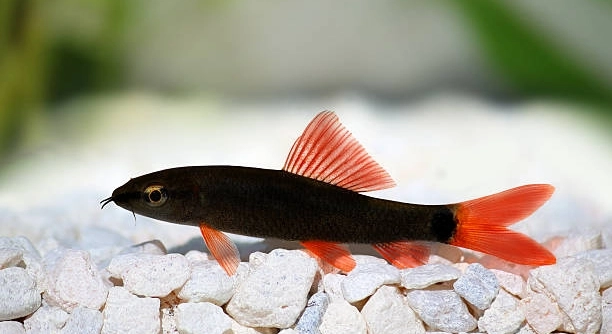
Keeping a Rainbow Shark happy and healthy takes some attention. These fish can sometimes feel lonely in their tanks if they don’t have the right environment. Knowing how to support their social needs can make a big difference for your pet.
Rainbow Sharks require a well-planned tank setup, proper companions, and environmental enrichment to prevent loneliness. Providing enough space, hiding spots, and compatible tank mates helps maintain their well-being and reduces stress caused by isolation.
Understanding these key steps will help you create a better home for your Rainbow Shark and keep it thriving. There are simple ways to improve your fish’s life that every owner should know.
Creating a Spacious Environment
Rainbow Sharks need enough room to swim freely. A small tank can make them feel trapped and stressed, which can lead to loneliness. Ideally, a tank of at least 30 gallons is recommended to give them space to explore. Adding plants and decorations creates hiding places, which help your fish feel safe and less anxious. These hiding spots also encourage natural behavior and reduce boredom. It’s important to arrange the tank so your Rainbow Shark can claim its own territory without constant confrontation. When the environment is comfortable and spacious, your fish will be more active and less likely to show signs of loneliness or stress. A well-set tank not only supports their physical health but also their mental well-being. Keeping the water clean and stable also plays a role in maintaining a happy habitat.
A spacious tank with hiding spots lets your Rainbow Shark explore and rest comfortably, reducing loneliness and stress.
Many owners overlook the importance of space and hiding places. The right environment allows your Rainbow Shark to establish territory and stay active. Without enough room or cover, they can become aggressive or withdrawn. You can use live plants or artificial décor to create natural breaks in the tank. This setup mimics their natural habitat and makes them feel more secure. Remember to clean the tank regularly to avoid poor water quality, which also causes stress. Combining space, cover, and clean water ensures your Rainbow Shark remains healthy and engaged.
Choosing Compatible Tank Mates
Not all fish get along with Rainbow Sharks. Choosing companions that are peaceful and can tolerate similar water conditions is essential. Aggressive or overly shy species can cause stress for your Rainbow Shark, making it feel lonely or threatened. Good tank mates include medium-sized, non-aggressive fish that share similar water preferences.
Compatible tank mates reduce stress and encourage social interaction, helping your Rainbow Shark feel less isolated.
Selecting the right companions involves understanding Rainbow Shark behavior and their needs. They tend to be territorial, especially with their own kind, so avoid keeping multiple Rainbow Sharks in a small tank. Instead, choose species that won’t compete for the same space or food. For example, tetras, gouramis, or peaceful catfish often work well. Introducing tank mates slowly helps everyone adjust and lowers aggression risks. Watching interactions early on can alert you to any issues. A balanced community tank supports a happier, more social Rainbow Shark without risking its safety.
Feeding Routine and Social Interaction
Feeding your Rainbow Shark on a regular schedule helps keep it calm and less lonely. Consistent feeding times create a routine that your fish can rely on. This routine reduces stress and encourages natural behavior.
Feeding at the same times daily promotes comfort and security for your Rainbow Shark. Providing varied foods like pellets, flakes, and occasional live or frozen treats supports both nutrition and interest during mealtime. Feeding with care also encourages social behavior when tank mates eat together. Avoid overfeeding to prevent water quality issues, which can lead to stress. A healthy feeding routine fosters a better mood and less isolation.
Sometimes, feeding time is the only interaction your Rainbow Shark gets. Using feeding to create gentle social moments can reduce loneliness. You can feed in different spots to encourage movement and exploration. Watching your fish eat can help you spot any health or behavior changes early. A well-planned feeding routine is a simple but effective way to support your fish’s well-being and social comfort.
Lighting and Tank Environment
Proper lighting in your tank affects your Rainbow Shark’s mood and activity. Too much or too little light can cause stress or inactivity. Use lighting that mimics a natural day-night cycle, with about 10-12 hours of light each day.
Adjusting light helps regulate your fish’s internal clock and behavior. Bright lights can make some fish nervous, so adding floating plants or dimmers can soften the environment. Creating shaded areas lets your Rainbow Shark rest comfortably. Changing light gradually in the morning and evening reduces sudden stress. A balanced light setup supports healthy activity levels and reduces loneliness by encouraging natural patterns. Consistent lighting paired with a well-maintained tank creates a calm space where your Rainbow Shark can thrive and feel secure.
Monitoring Behavior Regularly
Watching your Rainbow Shark daily helps catch signs of loneliness early. Changes in activity or appetite can signal stress or boredom.
Early detection of unusual behavior allows quick action to improve their environment or social setting. Keeping a close eye supports your fish’s well-being and happiness.
Providing Enrichment Toys
Adding enrichment toys like floating logs or tunnels encourages natural exploration. These items reduce boredom and loneliness by giving your Rainbow Shark something to interact with.
Enrichment tools stimulate mental and physical activity. Rotate toys regularly to keep the tank environment fresh and interesting for your fish.
Maintaining Water Quality
Clean, stable water is essential for your Rainbow Shark’s health and mood. Poor water conditions cause stress, making them more prone to loneliness.
Regular water testing and changes keep the environment safe and comfortable.
How can I tell if my Rainbow Shark is lonely?
A lonely Rainbow Shark may show signs like hiding more than usual, reduced activity, or lack of appetite. It might also become aggressive toward tank mates or show repetitive swimming patterns. Watching your fish’s behavior closely helps identify these changes early so you can improve its environment.
What types of fish make good tank mates for Rainbow Sharks?
Good tank mates are usually peaceful, medium-sized fish that tolerate similar water conditions. Species like tetras, gouramis, and peaceful catfish work well. Avoid other bottom dwellers that compete for the same space or overly aggressive fish, as these can stress your Rainbow Shark and increase loneliness.
How many Rainbow Sharks can I keep in one tank?
Rainbow Sharks are territorial, especially as they grow. It’s best to keep only one per tank unless it’s very large (over 75 gallons). If you want more, make sure the tank is spacious with plenty of hiding spots to reduce fighting and stress.
Is it necessary to have a companion for my Rainbow Shark?
While Rainbow Sharks can live alone, they benefit from having compatible tank mates that reduce boredom and encourage natural behavior. However, the focus should be on a balanced community tank rather than just companionship for the sake of company.
What should I feed my Rainbow Shark to keep it healthy and active?
Feed a varied diet including sinking pellets, flakes, and occasional live or frozen foods like bloodworms or brine shrimp. This variety helps keep them interested and supports their nutritional needs. Feed once or twice daily in small amounts to avoid overfeeding.
How often should I clean the tank to keep my Rainbow Shark happy?
Regular maintenance is key. Change 20-30% of the water every week to keep conditions stable. Clean the gravel and filter as needed, but avoid removing too much beneficial bacteria at once. Good water quality lowers stress and helps prevent loneliness caused by poor health.
Can lighting affect my Rainbow Shark’s mood?
Yes. Lighting that mimics natural day and night cycles helps regulate their activity. Too bright or constant light can stress them, while proper lighting encourages normal behavior. Using floating plants or dimmers can create shaded areas for rest.
Are enrichment toys really necessary for a Rainbow Shark?
Enrichment toys aren’t required but can improve your fish’s quality of life. Items like tunnels or floating logs give your Rainbow Shark places to explore and hide, reducing boredom and loneliness. Changing toys regularly keeps their environment interesting.
What should I do if my Rainbow Shark is aggressive?
Aggression can come from stress or lack of space. Check tank size and layout first—add hiding spots or rearrange decorations. Avoid overcrowding and review tank mates to ensure compatibility. If aggression continues, consider moving the aggressive fish to a separate tank.
How can I reduce stress for my Rainbow Shark?
Keep water clean and stable, maintain a proper feeding routine, and ensure the tank has enough space and hiding spots. Avoid sudden changes in lighting or temperature. Calm surroundings and compatible tank mates also lower stress levels, helping your fish feel secure.
Is it normal for Rainbow Sharks to hide a lot?
Hiding is natural, especially during the day when they rest. However, excessive hiding might mean stress, illness, or loneliness. If your fish hides all the time and avoids food or tank mates, check water quality and tank setup to make necessary changes.
How important is tank size for preventing loneliness?
Tank size is very important. A cramped tank increases stress and aggression, leading to loneliness. A minimum of 30 gallons is recommended for one Rainbow Shark. Larger tanks give more space for movement and territory, promoting healthier social behavior and reducing isolation.
Taking care of a Rainbow Shark involves more than just feeding and cleaning the tank. These fish need a well-thought-out environment to stay happy and healthy. Providing enough space, the right tank mates, and proper hiding places can make a big difference in how your fish behaves. When their needs are met, Rainbow Sharks are more active and less likely to feel lonely or stressed. Paying attention to their behavior helps catch problems early and lets you adjust their care as needed.
Feeding is another important part of keeping your Rainbow Shark content. A regular schedule with a variety of foods keeps them interested and nourished. Overfeeding can harm water quality, which in turn affects your fish’s mood and health. Keeping the tank clean and maintaining good water quality also prevents stress and illness. Lighting plays a role too. Using a light cycle that mimics natural day and night supports their daily rhythms and encourages natural behavior. Small changes like these add up to a more comfortable home for your Rainbow Shark.
Finally, enrichment and interaction help reduce loneliness. Adding tunnels, logs, or plants gives your fish places to explore and feel secure. These elements keep their environment interesting and stimulate mental and physical activity. Choosing peaceful and compatible tank mates supports social needs without causing aggression. By combining all these care points, you create a balanced tank where your Rainbow Shark can thrive. With thoughtful care and attention, your fish will be healthier, more active, and less lonely.

Hello,
If you enjoy the content that we create, please consider saying a "Thank You!" by leaving a tip.
Every little bit helps us continue crafting quality advice that supports the health, happiness, and well-being of pets around the world, for pets of all shapes, sizes, and species.
We really appreciate the kindness and support that you show us!