
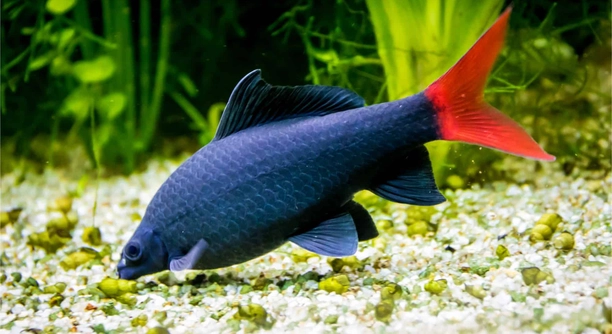
Keeping rainbow sharks healthy means paying close attention to their water conditions. These colorful fish need a stable environment to thrive in your aquarium. Proper care helps them stay active and vibrant over time.
Maintaining ideal water conditions for rainbow sharks involves controlling temperature, pH levels, ammonia, nitrites, nitrates, and ensuring proper filtration and regular water changes. These factors are crucial for the fish’s health and stress reduction.
Understanding these basics will help you create a balanced home for your rainbow shark. The tips ahead focus on simple steps to keep your fish comfortable and safe.
Setting the Right Temperature for Your Rainbow Shark
Rainbow sharks thrive best in water temperatures between 72°F and 79°F (22°C to 26°C). Keeping the temperature steady is important because sudden changes can stress the fish and affect their immune system. Using an aquarium heater with a reliable thermostat helps maintain this range. Check the temperature regularly with a good-quality thermometer. Avoid placing the tank near windows or vents where temperature fluctuates. When setting up your aquarium, give the water time to stabilize before introducing your fish. This reduces shock and helps them settle in smoothly. Keeping the right temperature encourages healthy behavior and vibrant colors in your rainbow shark.
Maintaining temperature stability is easier when you monitor daily. It prevents many health problems before they start.
A consistent environment supports your fish’s well-being and growth. You’ll notice they swim more actively and show less stress when their water temperature stays steady. A small investment in a heater and thermometer pays off with a happier, healthier rainbow shark.
Keeping pH and Water Hardness Balanced
Rainbow sharks prefer slightly acidic to neutral water, ideally with a pH between 6.5 and 7.5. Water hardness should be moderate, between 5 and 15 dGH.
Monitoring pH and hardness regularly is necessary because these conditions influence how your fish absorb nutrients and how active they are. Test kits make this process simple and affordable. If your water’s pH is off, products like pH adjusters can help, but use them carefully to avoid sudden changes. Keeping these levels steady supports digestion, activity, and color vibrancy in your rainbow shark. If your water is too hard or soft, consider mixing tap water with purified water to reach the right balance. A stable pH and hardness level creates a more natural, comfortable environment for your fish, encouraging them to thrive.
Regular testing and adjustment keep your tank environment safe and healthy. It prevents stress-related diseases and supports long-term fish health. Watching these small details closely shows care and helps your rainbow shark live a full, active life. Consistency is key, so check your water parameters weekly to avoid surprises and maintain a peaceful tank atmosphere.
Managing Ammonia, Nitrites, and Nitrates
Ammonia and nitrites must be kept at zero, while nitrates should stay below 20 ppm to keep rainbow sharks healthy. Regular testing helps avoid toxic buildup that can harm your fish.
Ammonia and nitrites come from fish waste and uneaten food breaking down. High levels damage gills and cause stress, making fish more vulnerable to disease. Proper filtration and partial water changes reduce these toxins. A good biological filter uses beneficial bacteria to convert ammonia into less harmful substances. Testing kits allow you to monitor these chemicals easily at home. Keeping ammonia and nitrites at zero ensures your rainbow shark’s environment stays safe and clean.
Nitrates are less harmful but should still be controlled. Regular water changes help keep nitrate levels low. Overfeeding leads to excess waste, raising nitrates quickly. Removing uneaten food promptly and cleaning the tank prevent buildup. This routine care supports your rainbow shark’s long-term health and keeps the tank water clear and fresh.
Choosing and Maintaining Proper Filtration
A reliable filtration system is essential for rainbow sharks because they produce a lot of waste. Filters remove physical debris and harmful chemicals, keeping the water clean.
Filters come in several types—mechanical, biological, and chemical. Mechanical filters trap particles, biological filters grow beneficial bacteria that break down toxins, and chemical filters remove dissolved impurities. For rainbow sharks, a filter with strong biological and mechanical functions works best. Keep the filter clean by rinsing media in tank water monthly to preserve bacteria. Avoid over-cleaning or replacing all filter media at once, as this can reduce beneficial bacteria and disrupt water balance.
A well-maintained filter supports stable water conditions and reduces the need for frequent water changes. It also helps maintain oxygen levels by circulating water properly. Ensuring your filtration system runs smoothly will keep your rainbow shark’s habitat healthy and stress-free. Regular checks and maintenance extend filter life and improve water quality for your fish.
Regular Water Changes Are Essential
Changing 20-25% of the water weekly helps keep harmful chemicals low. It refreshes the tank and supports a healthy environment for your rainbow shark.
Consistent water changes remove nitrates and waste buildup that filters might miss. This simple habit reduces stress and keeps fish vibrant.
Avoid Overfeeding Your Rainbow Shark
Overfeeding leads to leftover food, which pollutes the water quickly. Feed only what your fish can eat in 2-3 minutes to maintain clean water and good health.
Use a Good Quality Water Conditioner
Tap water contains chlorine and heavy metals harmful to fish. Using a water conditioner removes these toxins and makes the water safe for your rainbow shark.
Monitor Your Fish’s Behavior Daily
Watch for signs like hiding, loss of color, or sluggish swimming. These can indicate water issues or illness, signaling the need for immediate care.
FAQ
How often should I test the water for my rainbow shark?
Testing the water once a week is enough to catch any issues early. Regular checks help you keep ammonia, nitrites, nitrates, pH, and temperature within safe ranges. Testing kits are easy to use and give quick results. This simple routine prevents problems before they affect your fish.
What should I do if ammonia or nitrite levels are high?
If ammonia or nitrite levels rise above zero, perform an immediate partial water change of 25-50%. Check your filter to ensure it’s working properly and not clogged. Avoid feeding your fish for a day to reduce waste. Adding beneficial bacteria supplements can help speed up the biological filtration process.
Can I use tap water directly for water changes?
Tap water contains chlorine and sometimes heavy metals harmful to fish. Always treat tap water with a water conditioner before adding it to the tank. This removes toxins and makes the water safe. Let the treated water sit for a few minutes before use to ensure chemicals fully neutralize.
What is the ideal tank size for a rainbow shark?
Rainbow sharks need at least a 30-gallon tank because they are active swimmers and can be territorial. Larger tanks provide enough space to reduce stress and aggression. A roomy environment helps maintain water quality and allows your fish to express natural behaviors.
How can I reduce stress in my rainbow shark?
Maintaining stable water conditions is the best way to reduce stress. Avoid sudden changes in temperature, pH, or lighting. Provide hiding spots using plants or decorations so your fish can retreat when feeling threatened. Keep tank mates compatible and avoid overcrowding.
Is it necessary to cycle my tank before adding a rainbow shark?
Yes, cycling the tank establishes beneficial bacteria that convert toxic ammonia into less harmful substances. Without cycling, your fish risk ammonia poisoning. Cycling usually takes 4-6 weeks, but testing kits can help you know when it’s safe to add your rainbow shark.
How often should I clean the aquarium filter?
Clean your filter media every 3-4 weeks by rinsing it in tank water to preserve beneficial bacteria. Avoid using tap water or harsh cleaners on filter media, as this kills helpful bacteria. Check the filter daily for clogs or damage to ensure smooth operation.
What foods are best for rainbow sharks?
Rainbow sharks are omnivores, so offer a balanced diet of sinking pellets, flakes, and occasional live or frozen foods like bloodworms or brine shrimp. Supplement their diet with fresh vegetables like zucchini or peas to keep them healthy and colorful.
Why is my rainbow shark hiding all the time?
Hiding can mean your fish is stressed or uncomfortable. Check water parameters and tank conditions. Ensure there are enough hiding spots but not too many to cause territorial disputes. If water quality is good and the fish still hides, it might be adjusting to a new environment or feeling threatened by tank mates.
Can rainbow sharks live with other fish?
Yes, but choose tank mates carefully. Avoid slow-moving or long-finned fish that may get nipped. Good companions include fast-swimming, peaceful species like danios or barbs. Keep an eye on interactions and provide enough space to minimize aggression.
Taking good care of your rainbow shark means paying attention to its water conditions every day. The right temperature, pH level, and clean water keep your fish healthy and active. Regular testing and water changes help maintain a stable environment. A well-filtered tank removes harmful chemicals and keeps the water clear. These simple steps make a big difference in how your rainbow shark feels and behaves.
Feeding your rainbow shark properly also matters. Overfeeding can pollute the water and cause problems, so give only the amount your fish can eat in a few minutes. Use a balanced diet with sinking pellets and occasional treats like frozen foods or vegetables. Watching your fish daily for signs of stress or illness helps you catch problems early. When you notice changes in behavior, it’s usually a sign to check your water or tank conditions. Consistency in care will give your rainbow shark the best chance to live a long, healthy life.
Maintaining the perfect water conditions may seem like a lot at first, but it becomes easier with routine. Setting up a schedule for testing, cleaning, and feeding creates a healthy environment without stress. Remember, your rainbow shark depends on you for its home’s balance. Taking time to understand its needs and following these tips ensures your fish stays vibrant and happy. A little effort goes a long way in keeping your aquarium peaceful and your rainbow shark thriving.

Hello,
If you enjoy the content that we create, please consider saying a "Thank You!" by leaving a tip.
Every little bit helps us continue crafting quality advice that supports the health, happiness, and well-being of pets around the world, for pets of all shapes, sizes, and species.
We really appreciate the kindness and support that you show us!