
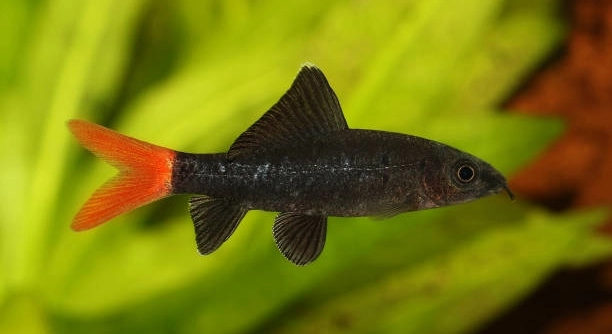
Rainbow sharks are popular freshwater fish known for their sleek shape and bright colors. Many aquarium owners enjoy watching their active behavior and unique swimming style. Understanding if your rainbow shark feels comfortable in its tank helps ensure its well-being.
Rainbow sharks show signs of comfort through healthy appetite, smooth swimming, vibrant colors, and calm behavior. Stress or discomfort often leads to hiding, erratic movements, or faded coloration, which can indicate poor tank conditions or illness.
Knowing these signs helps you create a better environment and maintain a happy, healthy rainbow shark in your aquarium.
Recognizing Healthy Behavior
A happy rainbow shark moves with ease and confidence around its tank. It will swim steadily, exploring different areas without hesitation. You might notice it gliding smoothly near the bottom or darting quickly when it feels curious. When it eats well and shows interest in food, this is a good sign of comfort. Their colors stay bright and clear, especially the red or orange fins, indicating good health. Sometimes, rainbow sharks rest quietly on rocks or plants, which is normal and shows they feel safe. If your fish hides for long periods or acts restless, it might be stressed. Watching these behaviors regularly helps you understand what makes your fish comfortable and alert to changes in its environment. Consistency in feeding and tank maintenance also supports their happiness and health.
Rainbow sharks enjoy a peaceful environment with enough space to swim freely and places to hide.
Tank size, clean water, and proper temperature are crucial to keep your rainbow shark active and healthy.
Proper Tank Conditions
A suitable tank is essential for your rainbow shark’s comfort. They need at least 30 gallons of water to swim properly without feeling cramped. Clean water with a stable temperature between 72 and 79°F helps prevent stress. Regular water changes reduce harmful toxins, keeping the fish healthy. The tank should include hiding spots like caves or plants to help your rainbow shark feel secure. Strong water flow is not ideal, as they prefer gentle currents. A good filter keeps the water clear but does not create too much turbulence. Monitoring pH levels between 6.5 and 7.5 supports their wellbeing. If these conditions are met, your rainbow shark will show more active swimming and vibrant colors. Neglecting tank setup can lead to illness and unusual behavior. Providing the right environment is key to a happy and thriving fish.
Signs of Stress in Rainbow Sharks
Stress in rainbow sharks often shows through changes in behavior and appearance. They may hide more than usual or become aggressive toward other fish. Faded colors and rapid breathing are also common signs of stress.
Stress can result from poor water quality, overcrowding, or sudden changes in the tank environment. When stressed, rainbow sharks may swim erratically or stay near the surface. These behaviors indicate discomfort and may lead to health problems if not addressed. Monitoring water parameters and keeping a consistent routine can help reduce stress. Providing enough space and hiding spots also allows the fish to feel secure. Stress management is essential to keep your rainbow shark healthy and active in its tank.
Ignoring signs of stress can lead to weakened immune systems, making your fish more vulnerable to diseases. Prompt action is necessary to restore comfort and prevent long-term damage.
Feeding Habits and Happiness
Rainbow sharks with a good appetite are generally content in their environment. They eagerly approach food and eat consistently, showing they feel safe and healthy.
Feeding a balanced diet with a mix of flakes, pellets, and occasional live or frozen foods supports their nutrition. Overfeeding should be avoided, as it can cause water quality issues and health problems. Observe how your rainbow shark eats and adjust feeding amounts accordingly. A lack of interest in food often signals discomfort or illness. Regular feeding times create a routine that helps your fish feel secure. Variety in diet also keeps them stimulated and satisfied.
Healthy feeding habits reflect a stable tank environment and proper care. Paying attention to your rainbow shark’s eating patterns helps ensure its ongoing well-being.
Interaction with Tank Mates
Rainbow sharks generally prefer to keep to themselves but can tolerate peaceful tank mates. Aggressive or very active fish may cause stress or conflict. Proper tank mate selection helps maintain a calm environment.
Providing enough space and hiding spots reduces territorial disputes. This supports peaceful coexistence and allows your rainbow shark to feel secure.
Physical Appearance and Color
A bright and consistent color pattern is a good sign of a healthy rainbow shark. Dull or faded colors often indicate stress, illness, or poor water conditions. Regular observation of your fish’s color helps catch issues early.
Movement Patterns
Smooth and steady swimming shows your rainbow shark is comfortable. Sudden bursts or erratic movements can indicate stress or illness. Watching how your fish moves daily helps identify problems early.
Resting Behavior
Rainbow sharks rest quietly on the tank bottom or near decorations. This calm resting is normal and shows the fish feels safe in its environment.
FAQ
How often should I feed my rainbow shark?
Feeding your rainbow shark once or twice a day is usually enough. Give only what it can eat in a few minutes to avoid leftover food that can dirty the tank. Overfeeding can harm water quality and the fish’s health.
What is the ideal tank size for a rainbow shark?
A minimum of 30 gallons is recommended for one rainbow shark. They need space to swim freely and establish territory. Smaller tanks can cause stress and aggressive behavior.
Can rainbow sharks live with other fish?
Yes, but choose peaceful tank mates. Avoid small or slow fish that might be bullied. Keep in mind that rainbow sharks can be territorial, especially in smaller tanks.
Why is my rainbow shark hiding all the time?
Hiding often means the fish feels stressed or unsafe. Check water conditions, tank mates, and the tank setup. Providing more hiding spots can help your fish feel secure.
What does it mean if my rainbow shark’s colors are fading?
Faded colors usually indicate stress, poor water quality, or illness. Regular water testing and maintenance can prevent this. If colors don’t improve, consult an expert for possible health issues.
How can I tell if my rainbow shark is sick?
Look for signs like loss of appetite, unusual swimming patterns, clamped fins, or spots on the body. Early detection helps improve the chance of recovery.
What temperature should I keep my tank?
Keep the water temperature between 72°F and 79°F. Sudden changes can stress your fish, so maintain a stable environment.
Do rainbow sharks need hiding places?
Yes, they appreciate caves, plants, or decorations where they can rest and feel safe. Hiding spots reduce stress and territorial fights.
How often should I clean the tank?
Partial water changes of 20-25% every one to two weeks help keep the water clean. Clean the filter as needed but avoid removing all beneficial bacteria at once.
Is it normal for rainbow sharks to be active at night?
Rainbow sharks are mostly active during the day but can show some activity at night. They may swim slowly or rest near the bottom when inactive.
Can I keep more than one rainbow shark in the same tank?
It’s possible but requires a large tank with plenty of space and hiding spots. Too many rainbow sharks in a small tank often lead to aggression.
What should I do if my rainbow shark is aggressive?
Check if the tank is overcrowded or if the water quality is poor. Providing more space, hiding places, and peaceful tank mates can reduce aggression.
Are rainbow sharks sensitive to water changes?
Yes, sudden or large water changes can stress them. Make changes gradually and match the temperature and pH to the existing tank water.
What is the best diet for a rainbow shark?
A mix of high-quality flakes, pellets, and occasional live or frozen foods like bloodworms or brine shrimp ensures balanced nutrition.
How do I introduce a new rainbow shark to my tank?
Quarantine new fish for two weeks to prevent disease spread. Introduce them slowly and monitor behavior closely for signs of stress or aggression.
Final Thoughts
Caring for a rainbow shark takes attention and patience, but it can be very rewarding. These fish show clear signs when they are comfortable or stressed, which helps you respond quickly to their needs. Watching their behavior, color, and appetite gives good clues about how they feel in the tank. Paying close attention to these details lets you create a better environment for them to thrive.
Maintaining proper tank conditions is one of the most important parts of keeping a rainbow shark healthy. Clean water, the right temperature, and enough space allow your fish to swim freely and stay active. Adding hiding spots helps reduce stress by giving the fish places to rest and feel safe. Regular tank cleaning and monitoring water parameters prevent issues before they start. A good setup combined with a balanced diet supports your fish’s overall health.
Every rainbow shark is different, so it’s important to learn your fish’s normal behavior. Changes can happen slowly, so keeping a close eye on your fish helps catch problems early. With consistent care, your rainbow shark will show more vibrant colors and active swimming, signs of a happy fish. Taking time to understand these signs will improve your experience as an aquarium owner and keep your rainbow shark healthy for years to come.

Hello,
If you enjoy the content that we create, please consider saying a "Thank You!" by leaving a tip.
Every little bit helps us continue crafting quality advice that supports the health, happiness, and well-being of pets around the world, for pets of all shapes, sizes, and species.
We really appreciate the kindness and support that you show us!