
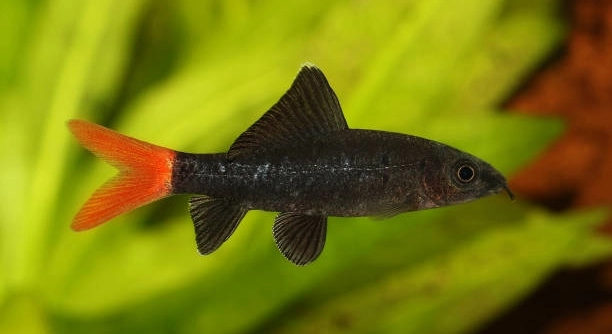
Adjusting a Rainbow Shark to a new tank can be a delicate process. These fish are sensitive to changes in their environment and need time to feel comfortable. Proper care during this period helps them thrive and stay healthy.
Helping your Rainbow Shark adjust involves maintaining stable water conditions, providing hiding spots, avoiding sudden changes, and monitoring their behavior closely. Gradual acclimation and a stress-free environment are key factors in ensuring their smooth transition to the new tank.
Learning these simple steps can make the process easier for both you and your fish. This article will guide you through practical ways to support your Rainbow Shark’s adjustment.
Prepare the Tank Properly
Before introducing your Rainbow Shark, make sure the tank is fully set up and stable. The water temperature should be between 75°F and 79°F, with a pH around 6.5 to 7.5. Cycling the tank is essential to avoid harmful ammonia or nitrite spikes. Add plenty of hiding places using plants, rocks, or decorations. These spots help the fish feel secure and reduce stress. It is also important to have a gentle water flow since Rainbow Sharks prefer calm waters. Avoid overcrowding the tank because it can lead to aggression and stress. Keeping water quality high with regular testing and partial water changes supports the fish’s health. A clean, well-established tank creates a comfortable environment for your Rainbow Shark to explore and settle in smoothly. Taking these steps beforehand makes the transition easier for your fish and helps prevent common adjustment problems.
Setting up the tank with stable water and hiding spots is vital for your Rainbow Shark’s comfort and health.
Rainbow Sharks rely on steady conditions and secure spaces to feel safe. When the environment is right, they are less likely to become stressed or aggressive. Giving them room to swim and hide allows natural behaviors to show. This balance also encourages healthy feeding and reduces the risk of illness. Being proactive about tank setup saves time and worry later.
Acclimate Your Rainbow Shark Slowly
Slow acclimation helps your fish get used to new water conditions without shock. Start by floating the sealed bag in the tank for about 15 minutes to match temperatures. Then, gradually add small amounts of tank water into the bag every 10 minutes over an hour. This step adjusts your fish to the new water’s chemistry. Avoid rushing this process because sudden changes can cause stress or even illness. Once acclimated, gently release the Rainbow Shark into the tank. Keep lights dimmed during the first few hours to reduce stress. Watch your fish carefully in the days after introduction to ensure it is eating and behaving normally. Taking time to acclimate increases the chances of a healthy and happy fish in its new home.
Monitor Water Quality Regularly
Keeping water quality stable is crucial for your Rainbow Shark’s health. Test ammonia, nitrite, nitrate, and pH levels weekly. Regular water changes help maintain a clean environment and prevent toxins from building up.
Poor water quality stresses fish and weakens their immune system. High ammonia or nitrite can be fatal, while elevated nitrate harms long-term health. Use a reliable test kit to track water parameters. Change 20-25% of the water weekly to keep conditions ideal. Avoid using soap or chemicals on tank equipment, as residues can harm your fish. Monitoring and maintaining water quality ensures your Rainbow Shark adapts well and stays vibrant in its new tank. This habit protects the fish and supports overall tank health.
Consistent care of water parameters helps prevent common problems like fin rot or unusual behavior. Healthy water creates a comfortable environment, allowing your fish to thrive naturally.
Provide a Balanced Diet
Rainbow Sharks need a varied diet to stay healthy. Offer high-quality sinking pellets as the main food source. Supplement with live or frozen foods like bloodworms or brine shrimp for extra nutrients and stimulation.
Feeding too much or too little can lead to health issues. Overfeeding causes water quality problems, while underfeeding weakens your fish. Feed small amounts twice daily, only what the fish can finish in a few minutes. Rotate foods to provide vitamins and minerals essential for growth and color. Some vegetable matter, such as blanched spinach, can be offered occasionally since Rainbow Sharks enjoy plant material too. Proper nutrition supports their immune system and encourages active behavior, helping them settle faster in their new environment.
Avoid Overcrowding the Tank
Too many fish can cause stress and aggression in Rainbow Sharks. Give them enough space to swim freely and claim their territory.
A crowded tank also leads to poor water quality, increasing health risks. Keep the tank size appropriate for your fish and their tank mates to ensure a peaceful environment.
Maintain a Consistent Lighting Schedule
Consistent lighting helps regulate your Rainbow Shark’s natural behavior. Use a timer to provide about 10 to 12 hours of light daily. This routine supports feeding habits and reduces stress.
Sudden changes in lighting can confuse or frighten your fish. A stable light cycle mimics their natural environment and encourages normal activity patterns.
Watch for Signs of Stress or Illness
Early detection of stress or illness improves treatment success. Look for changes in color, hiding behavior, or loss of appetite.
If you notice anything unusual, test the water first and adjust conditions if needed. Prompt action keeps your Rainbow Shark healthy.
FAQ
How long does it take for a Rainbow Shark to adjust to a new tank?
Typically, it takes about one to two weeks for a Rainbow Shark to fully adjust. During this time, they may hide more or swim less as they get used to their surroundings. Patience and stable tank conditions help speed up this adjustment period.
Can Rainbow Sharks live with other fish?
Yes, but you must choose tank mates carefully. Rainbow Sharks can be territorial and aggressive toward similar-shaped or colored fish. Good companions include larger, peaceful fish like barbs or danios. Avoid small or slow-moving fish that may become targets.
What is the best tank size for a Rainbow Shark?
A minimum of 30 gallons is recommended for one Rainbow Shark. This size allows enough space for swimming and establishing territory. Larger tanks reduce aggression and improve overall fish health.
How often should I clean the tank?
Partial water changes of 20-25% weekly are ideal. Cleaning filter media monthly without replacing all at once helps maintain beneficial bacteria. Avoid over-cleaning, which can disrupt the tank’s balance.
What do Rainbow Sharks eat?
Rainbow Sharks are omnivores. Their diet should include sinking pellets, frozen or live foods like bloodworms, and some vegetable matter. Variety ensures good nutrition and color vibrancy.
Why is my Rainbow Shark hiding all the time?
Hiding is normal when they first arrive or if stressed. It can also mean water quality issues or bullying from other fish. Check tank conditions and observe behavior to find the cause.
Can I keep more than one Rainbow Shark?
Keeping multiple Rainbow Sharks in the same tank often leads to fighting due to their territorial nature. If you want more than one, a very large tank with plenty of hiding spaces is necessary, but aggression may still occur.
What water parameters should I maintain?
Maintain a temperature of 75-79°F, pH between 6.5 and 7.5, and low ammonia and nitrite levels (ideally zero). Regular testing keeps the environment safe and comfortable.
How do I know if my Rainbow Shark is healthy?
Healthy Rainbow Sharks are active, show bright colors, and eat regularly. Look for smooth fins and clear eyes. Any signs of lethargy, color fading, or fin damage need attention.
What should I do if my Rainbow Shark shows signs of illness?
First, check water quality and correct any problems. Quarantine the fish if possible and consider consulting a vet or fish specialist. Treat common infections with appropriate medications following instructions carefully. Early action improves recovery chances.
Taking care of a Rainbow Shark when moving it to a new tank requires patience and careful attention. These fish can be sensitive to changes, so making sure the tank is well-prepared and stable is very important. Good water quality, proper temperature, and enough hiding places help the fish feel safe. When these basic needs are met, the Rainbow Shark is more likely to settle quickly and show natural, healthy behavior. Setting up the tank correctly before adding your fish saves trouble later and keeps your pet comfortable.
The process of acclimating your Rainbow Shark should be slow and steady. Sudden changes in water conditions can stress the fish, which may lead to illness or poor adjustment. Taking time to float the bag and gradually mix the tank water with the water in the bag helps the fish adapt better. Keeping the lighting soft and observing your fish closely during the first days will also support a smooth transition. Small steps like these make a big difference in how well your Rainbow Shark adjusts and thrives.
Maintaining good habits once the fish is in the tank is just as important as the initial setup. Regular water testing, balanced feeding, and watching for any signs of stress or illness all play key roles in keeping your Rainbow Shark healthy. Avoid overcrowding and maintain a consistent environment to reduce stress and aggression. With proper care, your Rainbow Shark will become a beautiful, active addition to your tank. Following these guidelines helps ensure a happy and healthy life for your fish over time.

Hello,
If you enjoy the content that we create, please consider saying a "Thank You!" by leaving a tip.
Every little bit helps us continue crafting quality advice that supports the health, happiness, and well-being of pets around the world, for pets of all shapes, sizes, and species.
We really appreciate the kindness and support that you show us!