
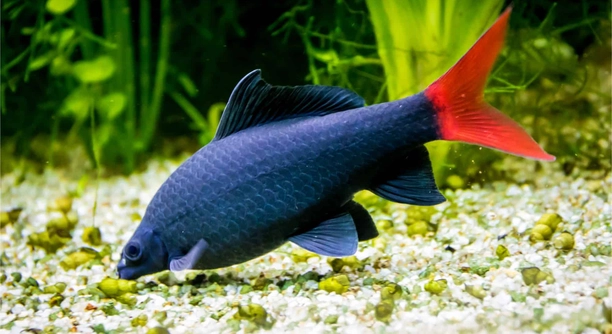
Rainbow sharks are popular aquarium fish known for their bright colors and active swimming. Many fish owners enjoy watching them but sometimes notice unusual aggression toward tank mates. Understanding this behavior can help maintain a peaceful aquarium environment.
Rainbow shark aggression toward other fish is mainly caused by territorial instincts, stress, overcrowding, poor tank conditions, or incompatible tank mates. These factors trigger defensive or dominant behavior, leading to aggressive encounters in shared spaces.
Recognizing these reasons can help you create a calm and balanced habitat for your rainbow shark and other fish in your aquarium.
Territorial Behavior
Rainbow sharks are naturally territorial fish. They like to claim a specific area in the tank and defend it from other fish. This behavior becomes more noticeable when the tank is too small or when there are too many fish. When a rainbow shark feels its space is threatened, it will chase or nip at other fish to keep them away. Providing enough space and hiding spots can help reduce this behavior. It’s important to arrange the tank so your rainbow shark has a clear area it can call its own. Sometimes rearranging decorations or plants can break up sight lines, lowering aggressive tendencies. Keep in mind that territorial behavior is normal but can be managed with the right tank setup.
Maintaining a tank with enough space is key to minimizing territorial disputes.
To keep peace, aim for at least 30 gallons per rainbow shark. Adding plants and caves gives them places to hide and feel secure. Avoid placing aggressive species nearby, and watch for signs of stress in all fish. If your rainbow shark remains aggressive despite these efforts, consider increasing the tank size or separating fish to prevent injury.
Stress and Environmental Factors
Stress is a major reason rainbow sharks become aggressive. Poor water quality, sudden changes in temperature, or an inconsistent feeding schedule can all cause stress. When stressed, these fish become defensive and more likely to attack others. Keeping the tank clean, stable, and properly filtered helps reduce stress. Regular water tests and partial water changes are necessary to maintain a healthy environment. Stress can also arise from overcrowding or lack of hiding places. Overcrowded tanks increase competition for space and food, which worsens aggression. Ensuring your tank is well balanced and peaceful is essential for your rainbow shark’s well-being. A calm fish is less likely to show aggressive behavior toward its tank mates, which keeps your aquarium more enjoyable for everyone.
Overcrowding
Too many fish in one tank increase stress and competition. Rainbow sharks need space to swim and establish their territory. Overcrowding leads to constant encounters that can trigger aggression quickly.
When the tank is crowded, rainbow sharks feel threatened and more likely to act defensively. They may chase other fish relentlessly or nip at fins to assert dominance. Overcrowding also reduces hiding spots, making it harder for other fish to escape conflict. Fish that are stressed from lack of space often have weaker immune systems, leading to illness. To avoid this, follow recommended stocking guidelines and avoid adding too many active or territorial fish together.
Ensuring enough room and hiding places helps fish stay calm. Overcrowded tanks cause constant tension, which is exhausting for your rainbow shark and its tank mates. Keep the tank population balanced for a healthier, less aggressive environment.
Incompatible Tank Mates
Some fish species do not get along well with rainbow sharks. Aggressive or slow-moving fish often become targets of bullying. Choosing tank mates that can handle the rainbow shark’s energy is important.
Fish with peaceful but sturdy temperaments work best alongside rainbow sharks. Avoid slow or timid species that cannot defend themselves or escape quickly. Brightly colored fish might also provoke territorial behavior, as rainbow sharks can mistake them for rivals. Larger fish that are non-aggressive tend to coexist better. Research the habits and needs of all species before introducing them to the tank. Proper selection minimizes stress and aggression, helping the aquarium remain balanced and enjoyable for every fish.
Lack of Hiding Places
Rainbow sharks need places to hide and feel safe. Without enough cover, they become stressed and more aggressive toward other fish.
Adding plants, rocks, or caves creates safe zones. These hiding spots reduce stress and give fish areas to retreat, which lowers aggressive behavior.
Feeding Competition
If food is scarce or unevenly distributed, rainbow sharks may become aggressive. They compete strongly for food and may chase other fish to get their share.
Regular feeding with balanced portions helps prevent fights. Spreading food around the tank ensures all fish get enough without competition.
Water Quality Issues
Poor water quality leads to stress and aggression in rainbow sharks. Dirty or unbalanced water causes discomfort and weakens fish immune systems.
Regular water tests and cleaning keep water conditions ideal. Maintaining stable temperature, pH, and cleanliness reduces aggression and keeps fish healthy.
FAQ
Why is my rainbow shark attacking other fish suddenly?
Sudden aggression often happens when there is a change in the tank environment. This could be due to new fish being added, rearranged decorations, or changes in water quality. Rainbow sharks are sensitive to disruptions in their territory and routine. Stress from these changes makes them more defensive and likely to attack. Checking water parameters and tank setup is important after noticing sudden aggression. Providing enough space and hiding spots can calm your fish and reduce attacks.
Can rainbow sharks live peacefully with other fish?
Yes, rainbow sharks can live peacefully if tank conditions are right. They need enough space and compatible tank mates to avoid aggression. Choose fish that are fast enough to avoid bullying and not too colorful to prevent territorial disputes. Also, keeping the tank clean and well-maintained helps reduce stress that leads to fighting. Careful planning and observation help create a peaceful aquarium environment for rainbow sharks and other fish.
How much space does a rainbow shark need?
A rainbow shark should have at least 30 gallons of tank space alone. If you keep more than one, the tank needs to be larger to give each fish room to claim territory. Smaller tanks cause stress and increase aggression as fish compete for limited space. Bigger tanks allow rainbow sharks to swim freely and avoid constant confrontation, promoting healthier and calmer behavior.
What are signs my rainbow shark is stressed?
Signs of stress include hiding more than usual, loss of color, erratic swimming, or frequent attacks on other fish. Stress can also make them less active or cause them to refuse food. These behaviors usually mean something is wrong with the tank environment, like poor water quality or overcrowding. Addressing these issues quickly will help your fish recover and reduce aggression.
How do I reduce aggression between rainbow sharks and other fish?
Start by making sure the tank is large enough and not overcrowded. Provide plenty of hiding places like plants, caves, or decorations. Choose tank mates that are fast and sturdy. Keep water clean and stable by doing regular water changes and testing. Feed your fish evenly and on schedule to avoid food fights. Watching fish interactions helps you spot early signs of aggression and act before problems worsen.
Can changing tank decorations help reduce aggression?
Yes, changing decorations can break up established territories and reduce aggression. Rearranging plants, rocks, or caves can confuse territorial boundaries and lower fights. It gives fish a fresh environment to explore and claim. This works best when done carefully, without stressing the fish too much. Make sure the new layout still offers enough hiding spots and swimming space.
Is it okay to keep multiple rainbow sharks together?
Multiple rainbow sharks can be kept together only if the tank is very large—preferably over 75 gallons. They need space to establish their own territories without constant conflict. Adding enough hiding places and dividing the tank visually helps. However, even in big tanks, some aggression may still occur since they are naturally territorial. Monitoring their behavior regularly is necessary to prevent injury.
What should I do if aggression becomes severe?
If aggression gets severe, separate the fish causing problems. Use a divider or move one rainbow shark to another tank temporarily. Check water quality and tank size to ensure conditions are ideal. Sometimes adding more hiding spots or rearranging the tank can help calm the fish. If none of these work, it may be best to find a new home for one of the aggressive fish to keep everyone safe.
How important is water temperature for rainbow sharks?
Water temperature is very important because rainbow sharks prefer stable, warm water between 72–79°F (22–26°C). Sudden temperature changes cause stress and can trigger aggression. Using a reliable heater and thermometer helps maintain a steady temperature. Avoid placing the tank near windows or vents where temperature can fluctuate.
Can feeding the rainbow shark more reduce its aggression?
Feeding more won’t always reduce aggression if the root causes are territorial or environmental. However, ensuring your rainbow shark is well-fed and not hungry helps minimize competition during feeding time. Use high-quality food and feed in multiple spots so all fish can eat without fighting. Regular, balanced feeding supports healthy behavior.
Rainbow sharks can be beautiful and interesting additions to a home aquarium, but their aggressive behavior can sometimes cause problems. Understanding the reasons behind their aggression is important for anyone who keeps these fish. Many factors contribute to why a rainbow shark might act aggressively toward other fish, such as territorial instincts, stress, overcrowding, and tank conditions. By recognizing these causes, it becomes easier to create a healthy environment that minimizes fighting and keeps all fish safer.
Proper tank setup plays a big role in reducing aggression. Rainbow sharks need enough space to swim and establish their own territory without constant interruptions. Overcrowding increases stress and competition, which can make aggressive behavior worse. Adding plenty of hiding places like plants and decorations helps fish feel more secure and lowers stress levels. Choosing compatible tank mates is also essential because some fish don’t handle the shark’s energy well. Keeping the water clean and stable with regular testing and changes further supports fish health and calm behavior.
If aggression still occurs, it is important to take steps to manage it quickly. Rearranging tank decorations can break up established territories and calm tensions. Sometimes separating aggressive fish temporarily is necessary to prevent injury. Monitoring the tank often helps spot problems early before they escalate. With patience and care, most rainbow shark aggression can be controlled, allowing for a peaceful and enjoyable aquarium. Understanding your fish’s needs and behavior helps maintain a balanced tank where everyone can thrive.

Hello,
If you enjoy the content that we create, please consider saying a "Thank You!" by leaving a tip.
Every little bit helps us continue crafting quality advice that supports the health, happiness, and well-being of pets around the world, for pets of all shapes, sizes, and species.
We really appreciate the kindness and support that you show us!