
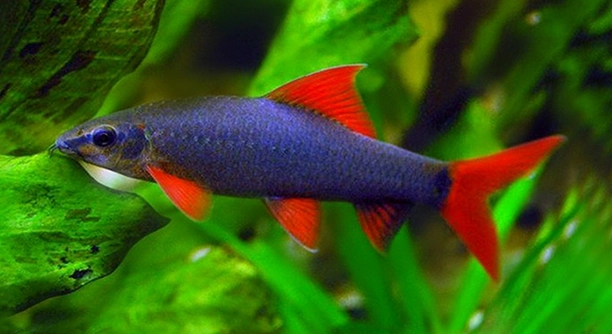
Caring for a Rainbow Shark can be rewarding, but there are common mistakes that can harm this unique fish. Understanding what to avoid helps keep your aquatic pet healthy and happy in its environment.
Rainbow Sharks require stable water conditions, proper tank size, and a balanced diet to thrive. Avoid overcrowding, sudden water changes, and incompatible tank mates, as these factors can lead to stress, illness, and shortened lifespan for the fish.
Knowing these key points will help you create a better home for your Rainbow Shark and prevent common problems that often arise.
Overcrowding the Tank
Keeping too many fish in one tank is a common mistake when caring for a Rainbow Shark. These fish need enough space to swim freely and establish their own territory. If the tank is overcrowded, it causes stress, which weakens their immune system and makes them more prone to illness. A minimum tank size of 30 gallons is recommended for one Rainbow Shark. Adding other active or aggressive fish can increase stress further. Overcrowding can also lead to poor water quality because more waste is produced, which raises ammonia and nitrite levels. This environment is unhealthy for your fish and can result in fin damage or infections. It’s important to plan your tank population carefully and provide hiding spots to reduce tension among fish. Ensuring enough room and a peaceful environment allows your Rainbow Shark to show its best colors and behave naturally.
Overcrowding restricts your Rainbow Shark’s movement and leads to poor water conditions that harm its health.
Giving your Rainbow Shark enough space will reduce stress and improve water quality. When you keep fewer fish in a larger tank, you prevent competition and aggression. This lets your Rainbow Shark thrive and live longer. A spacious, well-maintained tank also makes it easier to keep water clean and stable, which is essential for their well-being. Consider adding plants and decorations to create territories and hiding places, helping your fish feel secure. Maintaining proper filtration and regular water changes further supports a healthy environment. Avoiding overcrowding is one of the best ways to care for your Rainbow Shark and enjoy its vibrant presence.
Sudden Water Changes
Sudden changes in water temperature or chemistry can shock your Rainbow Shark. These fish are sensitive to rapid shifts in their environment, which can cause stress or even death. It’s best to make water changes slowly, replacing only 20-30% of the tank water at a time. Use a water conditioner to remove chlorine and chloramine from tap water before adding it to the tank. Keep the temperature stable, ideally between 72°F and 79°F, and match the new water to the tank’s current conditions. Monitoring pH and hardness is also important to avoid fluctuations. Taking these precautions helps keep your Rainbow Shark comfortable and reduces the risk of illness.
Quick water changes can harm your Rainbow Shark and cause health issues.
Sudden shifts in water conditions shock the fish and weaken its immune system. Rainbow Sharks thrive in stable, consistent environments. Frequent or large water changes disrupt this balance, making them vulnerable to stress-related diseases. To prevent this, plan gradual water replacements and test water parameters regularly. Using a heater with a thermostat helps maintain a steady temperature. Adding water slowly and ensuring it matches the tank’s parameters keeps your Rainbow Shark safe and comfortable. Consistent care with water quality promotes better health and longer life for your fish.
Feeding Inappropriate Food
Rainbow Sharks need a balanced diet to stay healthy. Feeding them only flakes or pellets is not enough to meet their nutritional needs.
A varied diet including sinking pellets, live or frozen foods like bloodworms and brine shrimp, and some vegetable matter is ideal. This variety supports their growth and vibrant coloration. Overfeeding can cause water quality problems, so feed small amounts once or twice daily. Remove uneaten food to avoid pollution. Avoid feeding fatty or processed human foods, which can harm their digestive system and overall health. Proper nutrition keeps your Rainbow Shark active and strong.
Skipping variety in their diet may lead to malnutrition and dull colors. Their natural diet includes algae and small invertebrates, so providing plant-based foods alongside protein sources is important. Offering occasional treats like daphnia or tubifex worms can keep them interested and healthy. Monitoring their appetite and adjusting portions will prevent obesity and tank contamination. Feeding well-rounded meals improves their immune system and resistance to diseases, making care easier and more rewarding.
Using Incompatible Tank Mates
Rainbow Sharks can be territorial and aggressive, especially in smaller tanks. Choosing tank mates that tolerate or avoid conflict is crucial for a peaceful aquarium.
Avoid keeping them with slow-moving, long-finned, or shy fish as they may get bullied. Ideal companions include fast, robust species like danios or barbs that can hold their own. Large peaceful fish that occupy different tank levels also work well. Monitoring interactions helps catch any signs of stress or aggression early. A well-chosen community reduces fighting and supports a balanced tank environment, benefiting all fish involved.
Careful selection of tank mates prevents stress and injury to your Rainbow Shark. Providing enough space and hiding places reduces territorial disputes. Fish with similar activity levels and temperaments make good companions. Avoid overcrowding, as it worsens aggression. A calm community tank encourages natural behaviors and maintains harmony. Adjusting the tank setup or separating aggressive individuals may be necessary. Keeping compatible species ensures your Rainbow Shark remains healthy and comfortable while coexisting peacefully with others.
Ignoring Water Quality
Maintaining clean water is essential for your Rainbow Shark’s health. Poor water quality leads to stress and disease.
Regular water testing and changes keep ammonia, nitrite, and nitrate at safe levels. Filtration and aeration support a healthy tank environment.
Using Small Tanks
Small tanks restrict your Rainbow Shark’s movement and increase stress. A tank smaller than 30 gallons is not suitable for their size and activity level.
Providing a spacious tank helps your fish swim freely and reduces territorial aggression, promoting a longer, healthier life.
Overlooking Signs of Illness
Early signs of illness include changes in behavior, color, or appetite. Monitoring your Rainbow Shark daily can help catch problems early.
Ignoring symptoms can lead to serious health issues or death. Prompt attention and treatment improve recovery chances.
What is the ideal tank size for a Rainbow Shark?
The ideal tank size for a Rainbow Shark is at least 30 gallons. These fish grow up to 6 inches long and need enough space to swim and establish their territory. Smaller tanks increase stress and aggression. A larger tank also helps maintain water quality more easily.
How often should I change the water in my Rainbow Shark’s tank?
It’s best to change 20-30% of the tank water every week. Regular partial water changes help remove toxins like ammonia and nitrites, which build up from fish waste and uneaten food. Avoid changing too much water at once because it can shock your fish. Always treat new water with a conditioner before adding it.
Can Rainbow Sharks live with other fish?
Yes, but choosing tank mates carefully is important. Rainbow Sharks can be territorial and aggressive, especially in small tanks. Good tank mates are fast, peaceful fish that occupy different tank levels, such as danios or certain barbs. Avoid slow-moving or long-finned fish, as they may get bullied.
What should I feed my Rainbow Shark?
Rainbow Sharks need a balanced diet that includes sinking pellets or wafers designed for bottom feeders, along with live or frozen foods like bloodworms, brine shrimp, or daphnia. Adding some vegetable matter, like blanched spinach or algae wafers, supports their digestive health and natural diet. Avoid overfeeding and remove uneaten food promptly.
Why is my Rainbow Shark hiding all the time?
Hiding behavior can indicate stress, poor water quality, or aggression from tank mates. Make sure the tank is large enough and has plenty of hiding spots like plants or decorations. Check water parameters to ensure they are stable and clean. If aggression is an issue, consider separating your Rainbow Shark.
How can I tell if my Rainbow Shark is sick?
Signs of illness include faded colors, clamped fins, lethargy, loss of appetite, or unusual swimming patterns. White spots or patches may signal infections like ich or fungus. Early detection is key, so observe your fish daily and act quickly if you notice any changes.
Is it okay to keep multiple Rainbow Sharks together?
Generally, it’s not recommended to keep multiple Rainbow Sharks in one tank unless it’s very large (over 75 gallons). They are territorial and may fight over space. If you do try, provide plenty of hiding places and monitor them closely for signs of aggression.
What water temperature is best for Rainbow Sharks?
Rainbow Sharks thrive in temperatures between 72°F and 79°F. Maintaining a stable temperature within this range reduces stress and supports their immune system. Using a reliable aquarium heater with a thermostat helps keep the water consistent.
How do I maintain good water quality for my Rainbow Shark?
Regular testing for ammonia, nitrite, nitrate, and pH is essential. Keep ammonia and nitrite at zero and nitrate below 20 ppm. Use a good filter suitable for your tank size and perform weekly partial water changes. Avoid overfeeding, as leftover food pollutes the water.
Can Rainbow Sharks live without hiding places?
While Rainbow Sharks can survive without hiding spots, they feel safer and less stressed when they have places to retreat. Providing plants, caves, or decorations helps reduce aggression and encourages natural behavior. It also makes the tank more interesting to watch.
What pH level is best for Rainbow Sharks?
Rainbow Sharks prefer a pH between 6.5 and 7.5. Sudden changes outside this range can cause stress or illness. Regular testing and gentle adjustments keep the environment stable. Avoid harsh chemicals or untreated water that might alter the pH drastically.
How long do Rainbow Sharks usually live?
With proper care, Rainbow Sharks can live 5 to 8 years or longer. Their lifespan depends on good water quality, a balanced diet, enough space, and a low-stress environment. Regular monitoring and maintenance support their health and longevity.
Can Rainbow Sharks breathe air like some other fish?
No, Rainbow Sharks do not breathe air. They rely on well-oxygenated water and proper aeration to survive. Make sure your tank has good filtration and surface movement to keep oxygen levels high.
What should I do if my Rainbow Shark is aggressive?
If your Rainbow Shark shows aggression, first check tank size and population. Provide more hiding spots and rearrange decorations to break territories. Consider separating it temporarily if fighting continues. Adding faster, equally active fish can sometimes reduce aggression by diverting attention.
Are Rainbow Sharks sensitive to light?
Rainbow Sharks prefer moderate lighting. Too bright or constant light can stress them. Providing shaded areas or plants helps them feel secure. Using a timer to simulate a natural day-night cycle promotes healthier behavior.
Caring for a Rainbow Shark requires attention to a few important details to ensure the fish stays healthy and happy. Providing a proper tank size, maintaining stable water quality, and feeding a balanced diet are some of the key factors. Avoiding common mistakes like overcrowding, sudden water changes, or incompatible tank mates helps reduce stress for the fish. When these basics are in place, your Rainbow Shark can thrive and show off its beautiful colors.
Paying close attention to the environment and behavior of your Rainbow Shark can prevent many health problems. Regularly testing the water and doing partial water changes keep the tank clean and safe. Watching for signs of illness or stress, such as hiding or loss of appetite, allows for early intervention. Making sure your Rainbow Shark has places to hide and tank mates that won’t cause aggression helps create a peaceful home. These steps contribute to a longer, healthier life for your fish.
Overall, Rainbow Sharks are lively and interesting fish that need thoughtful care. They are not difficult to care for if you avoid the common pitfalls and meet their basic needs. A well-maintained tank, proper nutrition, and compatible companions go a long way. Taking time to understand what they require will improve your experience and keep your Rainbow Shark thriving. Consistency in care is the best way to enjoy this unique fish for years.

Hello,
If you enjoy the content that we create, please consider saying a "Thank You!" by leaving a tip.
Every little bit helps us continue crafting quality advice that supports the health, happiness, and well-being of pets around the world, for pets of all shapes, sizes, and species.
We really appreciate the kindness and support that you show us!