
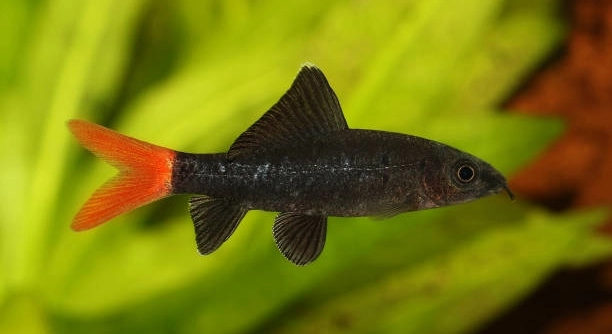
Rainbow sharks are popular aquarium fish known for their striking colors and active behavior. Moving them to a new tank can be stressful for the fish. Helping them feel safe in their new environment is important for their health and well-being.
Ensuring a rainbow shark feels secure in a new home involves maintaining stable water conditions, providing ample hiding spaces, and minimizing sudden changes. Proper acclimation and a calm environment reduce stress and support the fish’s adaptation to its surroundings.
Learning these simple steps can improve your rainbow shark’s comfort and encourage natural behavior in its new habitat. This guide offers practical advice for creating a secure environment your fish will appreciate.
Prepare the Tank Before Introducing Your Rainbow Shark
Before bringing your rainbow shark home, setting up the tank properly is essential. The water must be clean, at the right temperature, and fully cycled to avoid sudden changes that stress the fish. Use a water conditioner to remove chlorine and other harmful chemicals. Test the water regularly to keep ammonia, nitrite, and nitrate levels safe. Arrange decorations and plants to offer hiding spots and resting areas. A tank size of at least 30 gallons gives your rainbow shark enough room to swim comfortably. Make sure the filter provides good water circulation without strong currents, as rainbow sharks prefer gentle flow. Lighting should mimic natural conditions with a regular day and night cycle. When all these factors are in place, your fish will feel more secure and adjust faster to its new environment.
Taking the time to prepare the tank properly ensures your rainbow shark starts off stress-free. This is a key factor in helping it settle well.
Setting up the tank with care reduces the chance of health problems and aggressive behavior. The right water parameters and a calm environment give your rainbow shark a sense of security. Including plants or decorations for hiding spots helps the fish retreat if it feels threatened. Proper filtration and temperature control keep conditions stable, avoiding shocks during the first days. Gradual introduction to the tank by floating the bag and slowly mixing tank water with it eases the transition. Observing the fish closely during the first week will help you catch any signs of distress early and adjust care accordingly.
Provide Hiding Places to Reduce Stress
Rainbow sharks need places to hide and feel safe. Without hiding spots, they may become nervous or aggressive.
Adding caves, plants, and decorations creates a comfortable space. This also helps reduce bullying if there are other fish.
Hiding spots serve as safe retreats where rainbow sharks can rest and avoid direct light or tank activity. Using natural-looking decorations like smooth rocks and driftwood adds shelter and a familiar feel. Live plants not only provide cover but also improve water quality by absorbing nitrates. When setting up the tank, arrange hiding places at different levels so your rainbow shark can choose where it feels best. Changing the layout occasionally keeps the environment interesting and stimulating. Ensuring plenty of cover helps reduce stress, which promotes better health and behavior.
Keep Water Conditions Stable
Maintaining stable water conditions is vital for your rainbow shark’s comfort and security. Sudden changes in temperature, pH, or chemical levels cause stress and may lead to illness. Monitor water temperature daily and keep it between 74 and 80 degrees Fahrenheit. Use a reliable heater with a thermostat to maintain steady warmth. Test the pH regularly, aiming for a range of 6.5 to 7.5. Perform partial water changes weekly to remove waste and replenish minerals. Avoid overcrowding the tank, as too many fish cause fluctuations in water quality. Stable water conditions allow your rainbow shark to focus on exploring its new home rather than coping with environmental stress.
Consistency in water parameters supports your fish’s immune system and encourages natural activity. Using tools like water test kits and automatic heaters can make this easier. Keeping conditions stable means fewer surprises and a calmer fish.
Feed a Balanced Diet Regularly
Feeding your rainbow shark a balanced diet keeps it healthy and reduces stress. Avoid overfeeding, which can pollute the tank and harm the fish.
Rainbow sharks thrive on a diet that includes high-quality sinking pellets, flakes, and occasional live or frozen foods like bloodworms or brine shrimp. Variety is important to provide essential nutrients and keep their appetite interested. Feed small amounts once or twice daily, offering only what they can eat within a few minutes. Uneaten food should be removed quickly to maintain water quality. Proper nutrition supports growth, color vibrancy, and overall well-being.
Consistency in feeding times helps your rainbow shark feel secure. A predictable routine reduces anxiety and encourages natural behavior. Observing how much your fish eats and adjusting portions accordingly ensures it receives enough nourishment without waste. When balanced feeding habits are combined with good water conditions, your fish will settle comfortably in its new home.
Minimize Tank Disturbances
Limiting sudden movements or loud noises near the tank keeps your rainbow shark calm. This prevents unnecessary stress that can affect its health.
Consistent environmental conditions help the fish feel safe. Avoid tapping on the glass or moving decorations frequently, as these actions can startle the shark. Place the tank in a low-traffic area to reduce vibrations and disturbances. Keeping lighting consistent with a day-night cycle also helps maintain a stable environment. Over time, your rainbow shark will become more confident as it adapts to its surroundings.
Creating a quiet and stable space benefits not only your rainbow shark but also other tank inhabitants. Calm conditions promote peaceful coexistence and reduce aggressive behavior. If changes are needed, such as rearranging decorations or cleaning the tank, do so gently and gradually to avoid upsetting the fish. Consistency in care and environment plays a major role in helping your rainbow shark feel secure and thrive.
Acclimate Your Rainbow Shark Slowly
Acclimating your rainbow shark slowly reduces shock from new water conditions. Rapid changes can cause stress and illness.
Use the drip method or float the sealed bag in the tank for 20–30 minutes. Gradually add small amounts of tank water to the bag every 5 minutes. This process helps the fish adjust to temperature, pH, and other differences, ensuring a smoother transition.
Monitor Behavior Daily
Watch your rainbow shark’s behavior daily to catch early signs of stress or illness. Look for changes in swimming, eating, or color.
Keep Compatible Tank Mates
Choose peaceful fish that won’t bully your rainbow shark. Avoid aggressive species or very small fish that may cause stress or be seen as prey.
Maintain Proper Lighting
Provide about 8–10 hours of light daily. Too much or too little light can disturb your fish’s routine and increase stress.
FAQ
How long does it take for a rainbow shark to adjust to a new tank?
Rainbow sharks usually take about one to two weeks to settle into a new tank. During this time, they may hide more and be less active as they get used to their surroundings. Providing stable water conditions and hiding spots helps speed up their adjustment.
Can rainbow sharks live with other fish?
Yes, rainbow sharks can live with other fish, but tank mates should be peaceful and similarly sized. Avoid very small or aggressive species, as rainbow sharks can become territorial. Suitable tank mates include larger tetras, barbs, and plecos.
What temperature is best for rainbow sharks?
Rainbow sharks prefer water temperatures between 74°F and 80°F (23°C to 27°C). Keeping the temperature steady within this range is important to reduce stress and maintain their health.
How often should I feed my rainbow shark?
Feed your rainbow shark once or twice a day with small amounts it can finish within a few minutes. Overfeeding leads to poor water quality and health problems. Offer a mix of sinking pellets and occasional live or frozen foods.
Why is my rainbow shark hiding all the time?
Hiding is normal for rainbow sharks, especially when they are new or stressed. However, if your fish hides constantly, it may indicate poor water quality, bullying from tank mates, or illness. Check water parameters and tank conditions to address these issues.
What causes black spots or marks on a rainbow shark?
Black spots or marks can appear due to stress, poor water quality, or injury. Parasites or bacterial infections may also cause discoloration. Maintaining clean water and stable conditions reduces these risks. If spots persist, consult a fish health expert.
How big do rainbow sharks get?
Rainbow sharks can grow up to 6 inches (15 cm) in length. They need a tank size of at least 30 gallons to have enough space for swimming and hiding, especially as they grow.
Do rainbow sharks need a filter?
Yes, a good filter is essential to keep the water clean and oxygenated. Rainbow sharks produce waste that can quickly pollute the tank. Use a filter that provides gentle water flow to avoid stressing the fish.
Is it normal for rainbow sharks to be aggressive?
Rainbow sharks can be territorial and show aggression, especially in small tanks or if tank mates are not compatible. Providing enough space and hiding places helps reduce aggressive behavior.
How often should I clean the tank?
Perform partial water changes of 20-25% weekly to keep the tank clean and safe. Avoid cleaning the tank too thoroughly at once, as this can remove beneficial bacteria important for the fish’s health.
Can rainbow sharks live without hiding spots?
Hiding spots are very important for rainbow sharks to feel secure. Without them, the fish may become stressed and aggressive. Adding caves, plants, or decorations helps create a comfortable environment.
What type of water conditioner should I use?
Use a water conditioner that removes chlorine, chloramine, and heavy metals. This makes tap water safe for your rainbow shark. Always follow the product instructions for dosing.
Can rainbow sharks live in cold water?
Rainbow sharks prefer warm tropical water and do not do well in cold temperatures. Keeping the water between 74°F and 80°F is necessary for their survival and comfort.
How do I know if my rainbow shark is sick?
Signs of illness include loss of appetite, unusual swimming patterns, faded colors, or spots on the body. Early detection and maintaining good water quality are key to treating health problems quickly.
Should I turn off the tank lights at night?
Yes, turning off the lights at night mimics natural day-night cycles and helps reduce stress. Aim for about 8–10 hours of light per day and complete darkness during nighttime.
These FAQs cover common concerns and help ensure your rainbow shark stays healthy and secure in its new home. Following proper care routines makes a big difference in how well your fish adapts and thrives.
When moving a rainbow shark to a new home, making sure it feels secure is very important. The steps you take before and after introducing the fish to the tank affect how well it adjusts. Preparing the tank with clean, stable water and creating hiding spots help the fish feel safe. Keeping water conditions steady, providing a balanced diet, and avoiding sudden changes all reduce stress. These simple actions build a good environment where your rainbow shark can live comfortably.
Paying attention to your fish’s behavior is also key. Watching for signs of stress or illness early on helps you act quickly to fix any problems. It’s normal for rainbow sharks to hide at first, but if hiding lasts too long, it may mean something is wrong. Choosing peaceful tank mates and limiting disturbances around the tank help your fish stay calm. Giving consistent care, such as regular feeding and stable lighting, creates a routine the fish can rely on. This routine supports its health and well-being over time.
Overall, creating a secure and comfortable environment for your rainbow shark takes some effort but is well worth it. When the fish feels safe, it is more likely to explore, eat well, and show natural behavior. The tips shared here focus on practical steps that anyone can follow. With patience and attention, you can help your rainbow shark thrive in its new home for years to come. Taking care of your fish in this way makes the experience rewarding for both you and the rainbow shark.

Hello,
If you enjoy the content that we create, please consider saying a "Thank You!" by leaving a tip.
Every little bit helps us continue crafting quality advice that supports the health, happiness, and well-being of pets around the world, for pets of all shapes, sizes, and species.
We really appreciate the kindness and support that you show us!