
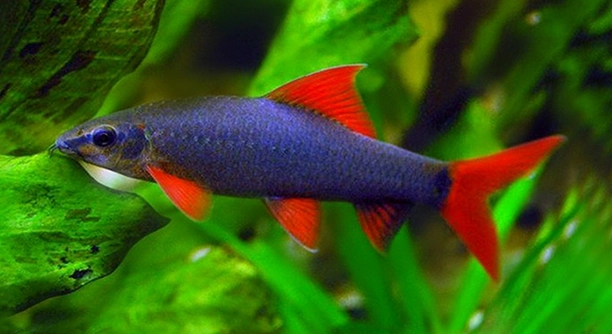
Rainbow sharks are popular freshwater fish known for their striking colors and active nature. Many fish owners hope to see them breed, but sometimes mating doesn’t happen as expected. Understanding common reasons behind this can help improve their chances of breeding successfully.
Rainbow sharks may not mate due to stress, improper tank conditions, or lack of suitable mates. Factors such as water quality, tank size, diet, and aggression also play important roles in their breeding behavior and overall health.
Knowing these reasons will help you create a better environment for your rainbow shark. This article explains key factors that might be stopping your fish from mating and what you can do about it.
Stress and Its Impact on Mating
Stress is a major factor that can prevent rainbow sharks from mating. Changes in the tank, sudden loud noises, or aggressive tank mates can all make your fish feel unsafe. When stressed, rainbow sharks often hide and lose interest in breeding activities. Maintaining a calm, stable environment is essential. Avoid overcrowding and keep a consistent routine for feeding and cleaning. Poor water quality can also add to stress levels. Make sure the water temperature, pH, and cleanliness are within recommended ranges. A relaxed fish is more likely to show mating behavior, so small changes in their environment can have a big impact.
Stress reduction helps fish focus on reproduction. When the tank environment is peaceful and stable, rainbow sharks feel secure enough to breed.
Creating a low-stress habitat starts with observing your fish daily. Look for signs of aggression or illness, and act quickly to resolve any issues. Make gradual changes to tank setup and maintain proper water parameters. This will help your rainbow sharks feel comfortable and more inclined to mate.
Tank Size and Environment
A small or poorly arranged tank can discourage rainbow sharks from mating. They need enough space to swim freely and claim territories without constant conflict.
Tank size should be at least 30 gallons for one rainbow shark, with more space needed for multiple fish. Include hiding spots like caves and plants to give them places to retreat. A well-structured environment reduces stress and supports natural behavior.
When fish feel crowded or lack hiding spots, they may become aggressive or withdrawn, both of which reduce mating chances. A larger, thoughtfully arranged tank encourages normal interaction and breeding rituals.
Providing a suitable habitat shows respect for your fish’s needs and helps promote a healthy, natural lifestyle. Consider upgrading your tank if it’s too small or cluttered, and focus on creating zones that support both social and solitary behavior. Proper tank design is key to successful mating in rainbow sharks.
Diet and Nutrition
Proper nutrition is essential for rainbow sharks to be healthy enough for mating. Poor diet weakens their immune system and reduces energy levels, making breeding unlikely.
Rainbow sharks need a balanced diet rich in protein and vitamins. High-quality pellets, live or frozen foods like bloodworms and brine shrimp, help keep them strong. Feeding variety encourages natural foraging behavior and improves overall health. Avoid overfeeding, as excess food can pollute the tank and cause stress. Healthy fish show brighter colors and more active behavior, both important for attracting mates and successful breeding.
Nutrition also supports reproductive functions. A diet lacking in key nutrients can delay maturity or lower fertility. Regularly supplementing their diet with quality food and occasional treats will help your rainbow sharks be in prime condition to mate and thrive.
Aggression and Social Dynamics
Rainbow sharks can be territorial and aggressive, which sometimes prevents mating. Too much fighting drains their energy and causes stress, reducing breeding chances.
Incompatible tank mates or overcrowding increase aggression. Males especially may become hostile to rivals or even females if stressed. Separating aggressive individuals or providing ample hiding spots can help reduce conflicts. Keeping only one male per tank often improves harmony. Social structure matters for breeding success; when fish feel secure and less threatened, they focus more on mating behavior. Managing aggression carefully helps create a peaceful environment where rainbow sharks can breed naturally and comfortably.
Water Quality Issues
Poor water quality can stop rainbow sharks from mating. High ammonia, nitrite, or nitrate levels cause stress and illness.
Regular water testing and partial changes keep the tank healthy. Clean, stable water encourages natural breeding behavior.
Lack of Suitable Mates
Rainbow sharks need compatible mates to breed. Without a proper pairing, mating won’t occur.
Introducing healthy, mature fish of the opposite sex in the right numbers increases chances. Compatibility is important to avoid aggression and encourage bonding.
Light and Day/Night Cycle
Consistent light cycles help regulate fish behavior, including mating. Too much or too little light disrupts natural rhythms and lowers breeding activity.
Age and Maturity
Young or old rainbow sharks might not mate. Fish need to be at the right age and health for breeding to happen naturally.
FAQ
Why is my rainbow shark not showing mating behavior?
Rainbow sharks may not show mating behavior if they feel stressed, unsafe, or uncomfortable in their environment. Poor water quality, overcrowding, or aggressive tank mates can cause them to hide or act lethargic instead of breeding. Ensuring stable tank conditions, proper diet, and space can help encourage mating behavior.
How can I reduce stress for my rainbow shark?
Keep the tank clean with regular water changes and test water parameters often. Avoid sudden changes in lighting or temperature. Limit loud noises and provide plenty of hiding spots. Also, avoid overcrowding and aggressive fish to reduce tension. A calm environment helps your rainbow shark feel secure and more likely to breed.
What is the ideal tank size for breeding rainbow sharks?
A minimum of 30 gallons is recommended for a single rainbow shark, but larger tanks (50 gallons or more) are better for breeding pairs or groups. Bigger tanks reduce aggression and give fish room to establish territories, which supports natural mating behavior. Proper decoration with caves and plants also helps.
Can diet alone trigger mating in rainbow sharks?
While diet is important, it alone won’t trigger mating. Balanced nutrition supports health and reproductive function but must be combined with good water quality, proper tank conditions, and reduced stress for successful breeding. High-protein foods like bloodworms and brine shrimp encourage vitality.
How do I tell if my rainbow shark is mature enough to breed?
Rainbow sharks usually mature between 6 to 12 months. Mature males develop brighter colors and longer fins, while females appear rounder when ready to spawn. Watch for chasing or courtship behavior as signs of maturity. Patience is key since breeding readiness varies by individual and conditions.
Why are my rainbow sharks aggressive toward each other?
Rainbow sharks are territorial, especially males. Aggression increases in crowded or poorly arranged tanks. Providing plenty of space, hiding places, and limiting the number of males can reduce fighting. Aggression wastes energy and discourages mating, so managing tank dynamics is important.
How often should I change the water to encourage breeding?
Partial water changes of 20-30% weekly help maintain good water quality. Clean water reduces stress and disease risks, making fish more willing to breed. Avoid large or sudden water changes, which can shock fish and hinder breeding efforts.
What role does lighting play in rainbow shark breeding?
Consistent day/night light cycles help regulate their natural rhythms. Around 10-12 hours of light daily mimics natural conditions and supports mating behavior. Too much or too little light can confuse fish and disrupt breeding readiness. Using a timer keeps lighting stable.
Can rainbow sharks breed in community tanks?
They can, but community tanks may reduce breeding success due to stress from other fish. Aggressive or active tank mates may interfere with courtship. A dedicated breeding tank is often better to control conditions and reduce competition or threats.
What signs show successful mating or spawning?
Females will lay small, sticky eggs on flat surfaces like plants or decorations. Males guard and fertilize the eggs. You may see increased chasing or courtship behavior before spawning. Eggs are usually clear or slightly yellow and hatch within a week under good conditions.
How can I encourage rainbow sharks to mate naturally?
Provide a spacious, clean tank with stable water conditions. Feed a varied, protein-rich diet. Reduce stress by limiting aggression and providing hiding spots. Maintain consistent lighting and temperature. Introducing compatible mates and mimicking natural environmental cues helps trigger breeding behavior.
What should I do if my rainbow sharks are not mating after trying everything?
Sometimes, fish simply need time or better pairing. Try adjusting tank conditions slowly and consider introducing new, healthy mates. Patience is important; breeding may not happen immediately. If problems persist, consulting an experienced aquarist or specialist can provide tailored advice.
Final Thoughts
Breeding rainbow sharks can be a challenge, but understanding their needs makes a big difference. Many factors affect whether they mate, from water quality and tank size to diet and social behavior. Paying attention to these details helps create a healthy, comfortable environment where your fish feel safe enough to breed. It takes patience and care to get everything right, but the results are rewarding when you see your rainbow sharks displaying natural behaviors and possibly producing offspring.
One of the most important things to remember is that stress greatly affects your fish’s willingness to mate. Even small changes in their surroundings can cause stress, which may stop mating altogether. Keeping the tank clean, stable, and peaceful is essential. Avoid overcrowding, aggressive tank mates, and sudden changes in light or temperature. Providing enough space and hiding spots helps reduce conflicts and supports normal behavior. When your rainbow sharks feel secure, they are more likely to show mating behavior naturally.
Lastly, good nutrition and compatible mates are key to successful breeding. Feeding your fish a varied diet rich in protein and nutrients keeps them strong and healthy. Introducing the right number of compatible rainbow sharks reduces aggression and encourages bonding. Not every fish will breed right away; some need time to mature or adjust to their environment. With careful observation, patience, and the right conditions, you can improve the chances of seeing your rainbow sharks mate and thrive.

Hello,
If you enjoy the content that we create, please consider saying a "Thank You!" by leaving a tip.
Every little bit helps us continue crafting quality advice that supports the health, happiness, and well-being of pets around the world, for pets of all shapes, sizes, and species.
We really appreciate the kindness and support that you show us!