
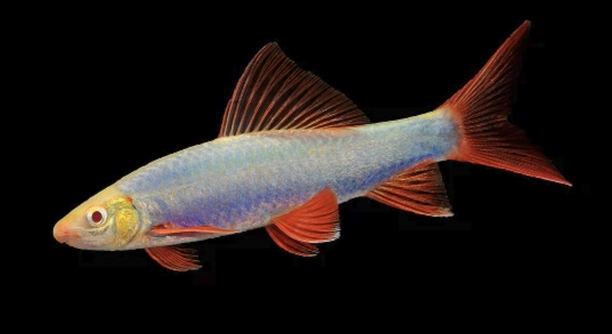
Rainbow sharks are popular freshwater fish known for their vibrant colors and active behavior. Many fish owners want to understand their mood to ensure they are healthy and comfortable in their tanks. Recognizing signs of a good mood helps create a better environment for these fish.
A rainbow shark in a good mood will swim actively, explore its surroundings, and show vibrant colors. It generally interacts calmly with other fish and displays steady breathing without signs of stress or hiding. These behaviors indicate well-being and comfort.
Knowing how to identify these signs can improve your care routine and strengthen your connection with your rainbow shark. This article outlines clear ways to tell if your fish is feeling good and thriving.
Active Swimming and Exploration
Rainbow sharks that are in a good mood tend to swim actively throughout the tank. They explore all corners, glide smoothly around plants, and investigate decorations. This kind of movement shows they feel safe and comfortable in their environment. When they dart quickly or hide, it may signal stress or discomfort. Observing their swimming patterns regularly helps monitor their mood and health. Active swimming also indicates they have enough space and proper water conditions, which are essential for their well-being. A calm, confident fish is one that confidently navigates its home without signs of fear or lethargy.
Regular tank maintenance, such as cleaning and proper filtration, supports this behavior. An active rainbow shark is a sign that their environment is suitable and that they are receiving the right nutrition. Watching your fish swim around with curiosity and energy is a reliable indicator of happiness and good health.
When rainbow sharks are active, they display confidence and vitality. This movement is a key sign of their positive mood and comfort level in the aquarium.
Bright and Vibrant Colors
The brightness of a rainbow shark’s colors can show how well it is feeling. Healthy fish display strong, vivid hues, especially reds and blacks, which become dull when the fish is stressed or sick. Changes in coloration often point to issues with water quality, diet, or health. Maintaining stable water parameters and a balanced diet keeps their colors rich and sharp. Avoid sudden changes in lighting or temperature, which can affect their appearance. Vibrant coloration is not just beautiful but a sign of a thriving fish that feels secure and healthy in its tank.
Regularly observing your rainbow shark’s colors can help detect early signs of trouble. This makes it easier to take prompt action before problems worsen. Color intensity directly reflects the fish’s internal state and well-being.
Bright colors are a clear visual sign that your rainbow shark is healthy, relaxed, and in a good mood.
Calm Interaction with Other Fish
Rainbow sharks in a good mood usually get along calmly with their tank mates. They avoid aggressive behavior and do not constantly chase other fish. This peaceful interaction shows they feel secure and are not stressed by competition or fear.
A rainbow shark that remains calm around other fish signals balance in the tank’s social environment. Aggression or hiding might mean overcrowding, poor water quality, or illness. When your fish swims alongside others without signs of stress, it reflects healthy behavior and a stable habitat. A calm demeanor helps reduce conflict and promotes overall tank harmony.
Proper tank size and hiding spots contribute to peaceful interactions. Ensuring the fish have enough space and shelter prevents territorial disputes. Feeding routines also matter because hunger can trigger aggression. When your rainbow shark interacts calmly, it’s a good indication that its emotional and physical needs are met.
Steady Breathing and No Signs of Stress
Regular, steady breathing is a key indicator of a rainbow shark’s good mood and health. Rapid gill movement or gasping at the surface may signal distress or poor water conditions. Normal breathing shows the fish is comfortable and well-oxygenated.
Monitoring your fish’s breathing helps catch early signs of illness or environmental problems. If the fish breathes smoothly and without effort, it suggests the tank is well-maintained and the water quality is optimal. Stress often causes irregular breathing, so steady gill movement confirms a calm state. Good filtration and oxygen levels contribute to this steady rhythm.
Stress can be caused by sudden changes, overcrowding, or improper temperature. Keeping conditions stable and consistent supports healthy breathing patterns. When your rainbow shark breathes steadily, it indicates they are content and thriving in their aquatic environment.
Regular Feeding Habits
A rainbow shark in a good mood shows consistent feeding behavior. It eagerly accepts food and eats without hesitation. This signals that the fish feels safe and comfortable in its environment.
Refusal to eat or hiding during feeding can indicate stress or illness. Regular feeding is important to maintain their health and vibrant colors.
Healthy Fins and Body Condition
Healthy fins that are intact and free of tears or discoloration indicate a rainbow shark’s good health and mood. A smooth, well-proportioned body with no signs of injury or disease also shows the fish is thriving.
Damage to fins or body can result from stress, poor water quality, or tank mates. Keeping the tank clean and providing a peaceful environment supports physical health and well-being.
Exploring New Areas
Rainbow sharks in a positive mood often explore new decorations or tank zones. This curious behavior shows confidence and interest in their surroundings, reflecting comfort and good mental health.
Resting Comfortably
When resting, a rainbow shark settles calmly on the tank bottom or hides peacefully. This relaxed state shows it feels secure and unthreatened by its environment.
FAQ
How often should I feed my rainbow shark?
Feeding your rainbow shark once or twice a day is usually enough. Provide small portions to avoid overfeeding, which can lead to poor water quality and health issues. A varied diet including pellets, flakes, and occasional live or frozen foods helps keep them healthy and vibrant.
What tank size is best for a rainbow shark?
A minimum tank size of 30 gallons is recommended for a single rainbow shark. These fish are active swimmers and need space to move freely. Larger tanks help reduce territorial behavior and stress by providing ample room for exploration and hiding spots.
Can rainbow sharks live with other fish?
Yes, but choose tank mates carefully. Rainbow sharks can be semi-aggressive, so peaceful but sturdy fish like barbs or danios usually work well. Avoid keeping multiple rainbow sharks together unless the tank is very large, as they may fight over territory.
What water conditions do rainbow sharks need?
They prefer water temperatures between 72°F and 79°F, with a pH of 6.5 to 7.5. Consistent water parameters and good filtration are essential. Frequent water changes help maintain a healthy environment and reduce stress.
Why is my rainbow shark hiding a lot?
Hiding can indicate stress, poor water quality, illness, or bullying by other fish. Check tank conditions and observe for signs of aggression. Providing plenty of hiding places and maintaining clean water can encourage your fish to feel safe and more active.
How can I tell if my rainbow shark is stressed?
Signs of stress include erratic swimming, loss of color, hiding, loss of appetite, and rapid breathing. Stress often comes from poor water conditions, overcrowding, or aggressive tank mates. Addressing these issues quickly is crucial for the fish’s health.
What should I do if my rainbow shark shows signs of illness?
Isolate the fish in a quarantine tank if possible. Test water quality and perform regular water changes. Consult a vet or experienced aquarist for advice on medications or treatments. Early intervention can prevent serious health problems.
Do rainbow sharks need plants in their tank?
While not essential, live or artificial plants provide hiding spots and reduce stress by mimicking a natural environment. Plants can also improve water quality. Choose sturdy species that can tolerate the fish’s activity level.
How long do rainbow sharks live?
With proper care, rainbow sharks typically live between 5 and 8 years. Good water quality, a balanced diet, and a suitable tank environment contribute to a longer, healthier life.
Can rainbow sharks recognize their owners?
They may show some recognition through conditioned responses to feeding routines or movements near the tank. While they don’t form bonds like mammals, consistent care helps build a predictable environment that reduces stress and promotes well-being.
Final Thoughts
Taking care of a rainbow shark means paying attention to its behavior and environment. Knowing how to tell if your fish is in a good mood helps ensure it stays healthy and happy. Active swimming, bright colors, calm interaction with other fish, steady breathing, regular feeding, and healthy fins are all signs that your rainbow shark is comfortable and well cared for. Watching these signs regularly will help you catch any problems early and keep your fish thriving.
Creating the right tank environment is key to a rainbow shark’s well-being. This includes providing enough space for swimming, clean water with stable conditions, and hiding spots to reduce stress. Feeding a balanced diet and maintaining a routine are also important. When your fish feels secure and has its needs met, it will show positive behaviors that are easy to recognize. Paying close attention to these details helps build a better relationship between you and your fish.
Keeping a rainbow shark in good mood is about consistent care and observation. Changes in behavior or appearance can be a sign that something needs attention. Being proactive with tank maintenance, diet, and monitoring the fish’s mood can prevent many health issues. A calm and lively rainbow shark reflects a well-managed aquarium. Overall, focusing on these simple signs and good care habits will support your fish’s long-term health and enjoyment.

Hello,
If you enjoy the content that we create, please consider saying a "Thank You!" by leaving a tip.
Every little bit helps us continue crafting quality advice that supports the health, happiness, and well-being of pets around the world, for pets of all shapes, sizes, and species.
We really appreciate the kindness and support that you show us!