
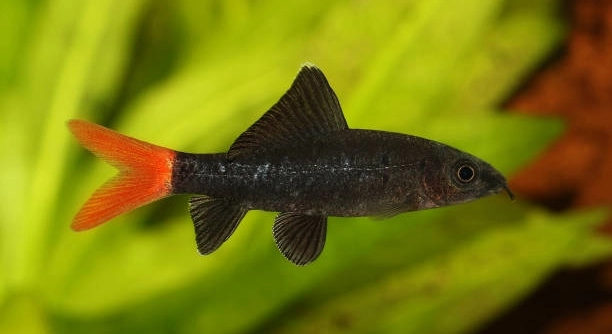
Many fish owners enjoy keeping Rainbow Sharks because of their vibrant colors and active nature. However, sometimes these fish may not eat enough, which can affect their health and well-being. Recognizing the signs of insufficient feeding is important for any aquarist.
Rainbow Sharks that do not consume enough food often display signs such as weight loss, lethargy, faded colors, decreased activity, hiding behavior, slower growth, and weakened immune response. These indicators collectively signal nutritional deficiency and require immediate attention.
Knowing these signs can help ensure your Rainbow Shark remains healthy and thrives in its environment. Proper feeding habits are essential for the long-term care of this beautiful fish.
Weight Loss and Fading Colors
When a Rainbow Shark is not eating enough, one of the first signs is noticeable weight loss. The fish’s body may look thinner than usual, with the belly appearing sunken. Alongside weight loss, the vibrant colors that make this species so appealing start to fade. Their shiny reds and blacks become dull, indicating poor nutrition. These changes happen gradually and may be easy to miss at first. It is important to observe your fish regularly and compare their current appearance to past photos or memories. Lack of proper feeding reduces the energy available for maintaining their bright colors. Over time, this can also affect their ability to fight off disease. Promptly addressing the cause of poor appetite can help restore their health and prevent long-term damage.
A Rainbow Shark with reduced coloration and weight loss needs immediate dietary improvement to regain strength and vibrancy.
Ensuring a balanced diet with adequate protein and nutrients supports color restoration and healthy weight. Feeding small amounts multiple times a day may encourage better intake. Additionally, checking water quality and tank conditions can help, as stress or poor environment often affects appetite. By monitoring these factors closely, you can help your Rainbow Shark regain its bright colors and healthy appearance faster.
Lethargy and Hiding Behavior
Lethargy and hiding are common signs when Rainbow Sharks do not eat enough.
Lack of proper nutrition reduces their energy, causing them to swim less and hide more. Inadequate feeding also weakens their immune system, making them vulnerable to stress and illness. If your Rainbow Shark is spending too much time hidden or resting at the bottom, it may be a sign it is not getting enough food. These behaviors indicate that immediate changes are needed in their feeding routine or tank conditions to improve their well-being and activity levels.
Decreased Activity and Slower Growth
A Rainbow Shark that is not eating enough will show decreased activity. It will swim less and avoid exploring its tank as usual.
Reduced food intake means less energy available for normal movement and growth. Over time, this slows down the fish’s development. Young Rainbow Sharks need proper nutrition to grow strong and healthy. Without enough food, their size and muscle strength may lag behind expected levels. This can make them more vulnerable to diseases and stress. Ensuring a regular feeding schedule with varied, nutrient-rich food can help restore their energy levels and promote healthy growth.
It is important to monitor growth rates in juvenile Rainbow Sharks closely. A lack of weight gain or size increase often signals insufficient feeding or poor tank conditions. Addressing these issues early will support better growth outcomes.
Weakened Immune System and Vulnerability
When Rainbow Sharks don’t get enough nutrition, their immune system weakens significantly. This leaves them more prone to infections and illnesses.
Nutritional deficiencies reduce the body’s ability to fight off common pathogens in the aquarium environment. Rainbow Sharks with poor diets often show signs of disease like fin rot or fungal infections. These health problems may worsen if feeding issues are not corrected quickly. A weakened immune system also makes recovery from illness slower and less effective. Providing a balanced diet with vitamins and minerals is critical to maintaining a strong immune response.
Regular water changes and maintaining good tank hygiene support immune health by minimizing harmful bacteria and parasites. Combining proper feeding with optimal tank care gives Rainbow Sharks the best chance to stay healthy and resistant to diseases over time.
Loss of Appetite and Food Refusal
A Rainbow Shark that is not eating enough may show a clear loss of appetite. It might ignore food or spit it out after trying to eat.
This behavior can be caused by illness, stress, or poor water quality. Monitoring feeding habits closely helps identify if appetite loss is a persistent issue requiring attention.
Stress and Environmental Factors
Stress from overcrowding, poor water conditions, or aggressive tank mates can cause Rainbow Sharks to eat less. These factors reduce their willingness to feed, affecting overall health and behavior.
Maintaining stable water parameters and providing enough space will encourage normal feeding. Reducing stress improves appetite and promotes a healthier environment for your fish.
Changes in Behavior
A lack of food can cause Rainbow Sharks to behave differently, including restlessness or increased hiding. These changes signal discomfort or distress.
Observing behavioral shifts early helps address feeding problems before they worsen.
FAQ
How often should I feed my Rainbow Shark?
Feeding your Rainbow Shark two to three times a day with small portions is ideal. Overfeeding can pollute the tank, but underfeeding causes nutritional problems. Giving controlled amounts ensures they get enough nutrition without leftover food decaying.
What types of food are best for Rainbow Sharks?
Rainbow Sharks thrive on a varied diet including sinking pellets, flakes, and occasional live or frozen foods like bloodworms or brine shrimp. High-quality pellets provide balanced nutrients, while live foods stimulate natural hunting behavior and enhance appetite.
Why does my Rainbow Shark sometimes refuse food?
Refusal to eat can be caused by stress, illness, or poor water quality. Changes in environment, aggressive tank mates, or sudden shifts in water parameters may make your fish reluctant to feed until conditions improve.
Can poor water conditions affect my Rainbow Shark’s appetite?
Yes. Dirty or improperly balanced water stresses Rainbow Sharks and suppresses their desire to eat. Regular water changes and monitoring of ammonia, nitrite, nitrate, pH, and temperature levels are essential to maintain a healthy environment and encourage feeding.
What should I do if my Rainbow Shark is hiding and not eating?
Hiding often signals stress or illness. Check water quality and tank mates first. Improving conditions and reducing stress will encourage your fish to become more active and resume eating. Sometimes, isolating the fish temporarily can help it recover.
How long can a Rainbow Shark go without eating?
While they can survive for several days, going too long without food weakens their immune system and overall health. If your Rainbow Shark refuses food for more than two days, investigate causes immediately.
Can a Rainbow Shark eat too much?
Yes, overfeeding can lead to obesity, poor water quality, and digestive issues. Feeding small portions multiple times a day prevents overeating and keeps your tank cleaner.
Are there signs that indicate my Rainbow Shark is getting enough food?
Healthy weight, bright colors, active swimming, and normal growth rates are good signs. Consistent interest in food during feeding times also shows your fish is properly nourished.
How can I encourage a picky Rainbow Shark to eat more?
Try offering a variety of foods, including live or frozen options. Feeding at consistent times and reducing tank stress helps. Occasionally changing the type or brand of food can stimulate appetite.
Is it normal for Rainbow Sharks to compete for food?
Yes, especially in community tanks. Providing ample feeding space and distributing food evenly helps reduce competition and ensures all fish get enough to eat.
Can supplements improve my Rainbow Shark’s appetite?
Certain vitamin-enriched foods or supplements may support appetite and overall health, especially during recovery from illness or stress. Consult aquarium care guides or a vet before use.
What is the best way to monitor my Rainbow Shark’s eating habits?
Observe feeding times carefully and note how much food is consumed. Tracking behavior changes or leftover food helps identify appetite problems early.
Should I adjust feeding if my Rainbow Shark is kept with other fish?
Yes, competitive tank mates can affect feeding success. Feed slowly and in multiple spots to ensure your Rainbow Shark receives enough nutrition without being bullied.
Can illness cause my Rainbow Shark to stop eating?
Absolutely. Diseases such as internal parasites, fin rot, or infections reduce appetite. Prompt treatment and maintaining clean water are key to recovery.
What role does tank size play in feeding behavior?
In small tanks, stress and competition are higher, often leading to reduced feeding. Larger tanks with adequate hiding spots promote natural behavior and better feeding responses.
Final Thoughts
Taking care of a Rainbow Shark means paying close attention to its eating habits. When these fish do not eat enough, it can lead to serious health problems such as weight loss, dull colors, and a weakened immune system. These signs are important to notice early, so you can act quickly to improve your fish’s diet and environment. Regular observation helps catch issues before they become severe, giving your Rainbow Shark a better chance at staying healthy and active.
Proper feeding involves more than just putting food in the tank. It means offering a balanced diet that meets the nutritional needs of your Rainbow Shark. Using a mix of high-quality pellets, flakes, and occasional live or frozen foods helps keep your fish interested in eating and supports their growth. Feeding smaller amounts multiple times a day encourages consistent eating habits and reduces waste that can harm water quality. Good water conditions and a stress-free environment also play a big role in maintaining a healthy appetite.
If you notice changes in behavior, such as hiding, lethargy, or refusal to eat, it is important to check the water and tank conditions. Sometimes, these signs point to stress or illness rather than just feeding problems. Making sure the tank is clean, properly sized, and free of aggressive tank mates will improve your Rainbow Shark’s comfort and encourage it to eat. Overall, paying attention to feeding and tank care will help your Rainbow Shark live a longer, healthier life with bright colors and energetic behavior.

Hello,
If you enjoy the content that we create, please consider saying a "Thank You!" by leaving a tip.
Every little bit helps us continue crafting quality advice that supports the health, happiness, and well-being of pets around the world, for pets of all shapes, sizes, and species.
We really appreciate the kindness and support that you show us!