
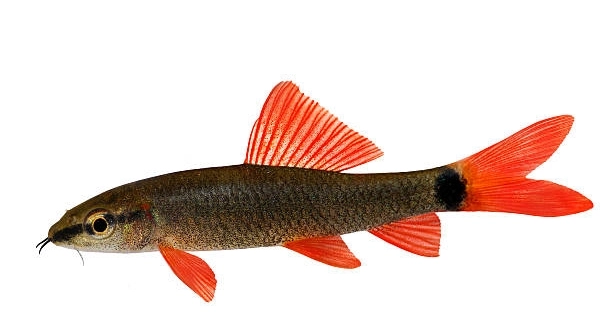
Are your rainbow shark’s colors looking dull or its behavior suddenly more aggressive? Stress might be playing a bigger role than you think. Understanding what causes this can help your fish live a longer, healthier life.
Rainbow sharks can become stressed due to poor water conditions, overcrowding, lack of hiding spaces, aggressive tank mates, inconsistent lighting, sudden environmental changes, or improper diet. Each of these factors can affect their health and behavior significantly.
Small changes in your tank setup or daily care can make a big difference. Knowing what to look out for will help keep your rainbow shark calm and thriving.
Poor Water Conditions
Rainbow sharks are sensitive to changes in water quality, and poor conditions can quickly lead to stress. High ammonia or nitrite levels, low oxygen, and the wrong pH can all have a negative impact. These fish thrive in clean, stable environments with consistent parameters. If the tank is not maintained regularly, toxins can build up fast. Make sure to test your water weekly using an aquarium test kit. A proper filtration system is key, along with partial water changes every 1–2 weeks. Avoid sudden shifts in temperature or pH. These small fluctuations can make your rainbow shark uncomfortable. A temperature range between 75–81°F and a pH between 6.5–7.5 works best for them. Keep the tank clean from waste and uneaten food, and always dechlorinate tap water before adding it. When water quality is consistent, your rainbow shark will appear brighter, more active, and display healthier behavior in the tank.
Neglecting water quality is one of the most common reasons your rainbow shark may be acting differently. Consistent maintenance can prevent a lot of issues.
A healthy tank environment leads to less stress and fewer illnesses. Testing the water on a regular basis is simple and helps prevent bigger problems before they start. Clean water keeps your rainbow shark stable.
Aggressive Tank Mates
Rainbow sharks can become territorial, especially when housed with other aggressive or fast-moving fish. Mixing incompatible species often leads to stress and conflict.
Avoid pairing rainbow sharks with species like red tail sharks, tiger barbs, or cichlids. These fish tend to compete for space or provoke aggression. Instead, choose peaceful bottom dwellers or mid-level swimmers that won’t trigger defensive behavior. It’s important to give your rainbow shark its own space in the tank. Provide hiding spots like caves or plants to reduce visual contact and minimize stress. If your shark is constantly being chased or harassed, it may become more reclusive or aggressive in return. In community tanks, always monitor new additions for the first few days. If problems arise, be prepared to move fish to separate tanks. Compatibility plays a major role in your rainbow shark’s health and behavior. The right tank mates can make the environment much more peaceful and balanced for everyone.
Lack of Hiding Spots
Rainbow sharks feel safer when they have places to hide. A tank with no cover can make them feel exposed and lead to stress. Hiding spots help reduce tension, especially when other fish are nearby.
Add decorations like caves, driftwood, or thick plants to give your rainbow shark space to retreat. This keeps them calm and reduces aggressive behavior. These hiding areas should be spread throughout the tank so the shark doesn’t feel cornered. When a fish has the option to retreat, it feels more in control of its environment. Rearranging tank decor occasionally can also help reduce territorial behavior, especially in smaller aquariums. Even peaceful tank mates can create tension if the shark feels it has no escape. The goal is to provide a sense of shelter and privacy without overcrowding the space. A few well-placed structures can make a noticeable difference in your fish’s comfort.
Without enough cover, rainbow sharks can show signs of stress like dull colors or frantic swimming. They may also become more aggressive toward tank mates, feeling the need to defend open territory. Ensuring your setup includes hiding areas can help create a calm, balanced environment. This is especially important in community tanks where space is shared.
Inconsistent Lighting
Irregular lighting schedules can confuse your rainbow shark’s natural rhythm. Too much light can cause stress, while sudden darkness may make the fish skittish. A steady routine helps them feel secure and promotes normal behavior.
Use a timer to keep lighting consistent—ideally, 8 to 10 hours a day. Avoid placing the tank near windows, where sunlight can cause sudden brightness changes or algae growth. If your rainbow shark seems startled or hides often, the lighting might be too strong or erratic. Bright lights can also cause reflection in the glass, which sometimes makes them think another fish is nearby. That can trigger defensive behavior or pacing. Choose a soft light with adjustable brightness, and avoid turning it on or off suddenly. Gradual transitions are better. A calm lighting routine can help regulate their internal clock and reduce stress-related symptoms. Consistency is just as important as water quality or tank mates.
Sudden Environmental Changes
Rainbow sharks don’t adjust well to quick changes in their surroundings. Moving decorations, changing water temperature too fast, or transferring them between tanks can cause immediate stress. They need time to adapt slowly to any new conditions.
Always make changes gradually. Use a thermometer to track temperature and acclimate them properly when moving tanks. Even loud noises or vibrations near the aquarium can unsettle them.
Overcrowding
Too many fish in one tank causes stress, especially for territorial species like rainbow sharks. They need space to swim freely and claim their own area. A crowded tank also affects water quality faster, adding more pressure on the fish’s health.
For a single rainbow shark, a 30-gallon tank is the minimum, though larger is better. Add tank mates cautiously, and avoid placing too many bottom dwellers together. Overcrowding leads to competition for food and space, which triggers aggression and pacing. Limit the number of fish and give each one enough space. Keeping the tank understocked, with good filtration and enough cover, helps your rainbow shark feel secure and calm. Watching for signs of stress early can prevent long-term problems caused by overcrowding.
Improper Diet
Feeding the wrong food or not offering variety can affect your rainbow shark’s mood and health. Stick to a balanced diet with sinking pellets, vegetables, and occasional protein. Overfeeding or feeding low-quality food may lead to digestive issues and stress.
What are the most common signs of stress in a rainbow shark?
Stress in rainbow sharks often shows through changes in behavior and appearance. You might notice they become more aggressive, hiding more than usual, or swimming erratically. Their colors can fade, and they may lose appetite. Sometimes, they rest at the bottom of the tank or gasp near the surface. These signs indicate that something in their environment isn’t right and should be addressed quickly to prevent health problems.
How often should I test my aquarium water for my rainbow shark?
Testing water weekly is recommended for rainbow sharks. Regular checks help spot harmful levels of ammonia, nitrites, or nitrates early. Stable water conditions are critical because poor quality can cause stress and disease. Using a reliable test kit keeps you informed and allows you to fix problems before your fish show signs of distress.
Can rainbow sharks live peacefully with other fish?
Yes, but compatibility matters. Rainbow sharks are territorial and may act aggressive toward similar species or fast-moving fish. Choose peaceful, non-territorial tank mates that occupy different tank levels, like tetras or peaceful catfish. Providing hiding spots and enough space reduces conflicts. Avoid crowded tanks to minimize stress.
How do I properly acclimate a rainbow shark to a new tank?
Acclimation should be slow and gentle. Float the bag with the fish in the tank water for 15-20 minutes to equalize temperature. Gradually add small amounts of tank water to the bag over the next 30-60 minutes. This helps your rainbow shark adjust to water chemistry changes without shock. Avoid dropping the fish directly into the tank.
What is the ideal tank size for a rainbow shark?
A minimum of 30 gallons is needed for one rainbow shark to swim comfortably. Larger tanks reduce territorial disputes and stress. Overcrowding increases aggression and pollution, harming health. A spacious tank also allows for decorations and hiding spots that promote a calm environment.
How important is diet variety for a rainbow shark?
Diet variety is very important. Rainbow sharks are omnivores, so their meals should include sinking pellets, vegetables like zucchini or cucumber, and occasional protein like bloodworms. A balanced diet prevents nutritional deficiencies and keeps your fish active and healthy. Avoid overfeeding to prevent water quality issues.
Can changes in lighting affect my rainbow shark’s health?
Yes, inconsistent or overly bright lighting can stress rainbow sharks. They need a stable light cycle—about 8 to 10 hours a day. Sudden changes in lighting or glare from reflections can cause anxiety and trigger defensive behavior. Using a timer and soft lights helps maintain a natural rhythm for the fish.
What should I do if my rainbow shark shows signs of illness?
If your rainbow shark looks lethargic, has faded colors, or unusual spots, act quickly. Test the water first to rule out poor quality. Isolate the fish if possible and consult a veterinarian or aquarium specialist. Proper treatment depends on the cause but early action improves chances of recovery.
How can I reduce aggression in a community tank with a rainbow shark?
Provide plenty of hiding spots and visual barriers to break lines of sight between fish. Ensure the tank is large enough to give each fish its own space. Avoid overcrowding and aggressive species. Feeding regularly and maintaining good water quality also helps keep aggression down.
Is it necessary to have a filtration system for rainbow sharks?
Yes, a good filtration system is essential. It keeps the water clean by removing waste and toxins, which can quickly stress your fish. Filters also help oxygenate the water, supporting healthy respiration. Choose a filter suitable for your tank size and perform regular maintenance.
Taking care of a rainbow shark means paying close attention to its environment and needs. These fish are beautiful and active, but they can become stressed easily if conditions are not right. Keeping the water clean and stable is one of the most important things you can do. Regular testing and water changes help avoid toxins that harm your fish. A good filter and proper tank size also support their health. Overcrowding and aggressive tank mates create tension, so it’s best to choose peaceful companions and give your shark enough room to swim freely.
Besides the water, the tank setup matters a lot. Rainbow sharks like having places to hide when they feel threatened. Adding caves, plants, or decorations provides shelter and reduces stress. Lighting should be consistent but not too bright. Sudden changes or strong lights can confuse or scare your fish. Feeding a balanced diet that includes sinking pellets and fresh vegetables keeps them strong and happy. Overfeeding or poor food quality can cause health issues, so it’s important to feed the right amount and variety.
Watching your rainbow shark regularly helps you notice any changes early. If the fish seems aggressive, hides too much, or loses color, these are signs of stress. Fixing problems quickly prevents illness and improves your fish’s quality of life. Simple care habits—like steady lighting, clean water, hiding spots, and proper diet—go a long way. With attention and patience, your rainbow shark can live a calm and healthy life, showing its bright colors and lively personality in your aquarium.

Hello,
If you enjoy the content that we create, please consider saying a "Thank You!" by leaving a tip.
Every little bit helps us continue crafting quality advice that supports the health, happiness, and well-being of pets around the world, for pets of all shapes, sizes, and species.
We really appreciate the kindness and support that you show us!