
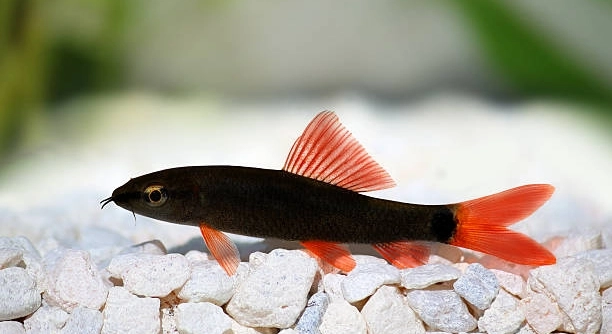
Is your rainbow shark showing signs of low activity or unusual behavior? This colorful freshwater fish thrives on movement and space. When they don’t get enough exercise, their health and wellbeing can suffer in subtle ways.
Rainbow sharks require adequate swimming space and stimulation to maintain their physical health. Insufficient exercise can lead to lethargy, loss of appetite, weakened immune response, and abnormal swimming patterns, indicating a need for environmental or dietary adjustments.
Recognizing these signs early helps maintain your rainbow shark’s vitality and keeps your aquarium balanced and lively.
Signs of Lethargy and Reduced Activity
When a rainbow shark isn’t getting enough exercise, one of the first things you might notice is lethargy. These fish naturally enjoy swimming around the tank, exploring their environment. If your rainbow shark is spending most of its time hiding or resting at the bottom, it could be a sign it isn’t active enough. Lack of exercise affects muscle strength and overall energy levels. You may also see less interest in interacting with other fish or responding to feeding times. Reduced movement can eventually lead to health problems, so it’s important to monitor their behavior regularly. Providing enough space and environmental enrichment, like plants or decorations, encourages natural swimming patterns and keeps your fish engaged. Keeping water clean and stable also helps maintain their energy and willingness to move around.
Physical inactivity can cause long-term health effects in rainbow sharks.
Encouraging more movement through tank setup and careful observation supports your fish’s wellbeing and helps prevent common health issues.
Changes in Appetite and Eating Habits
A rainbow shark’s appetite can change when it isn’t exercising enough. Sometimes they eat less because they feel stressed or bored. When fish don’t get enough physical activity, their metabolism can slow down, which reduces their hunger. This can cause weight loss or nutrient deficiencies, impacting their immune system. On the other hand, some fish might overeat when stressed, which also causes health problems. Monitoring feeding habits helps you catch early signs of trouble. You can improve appetite by feeding balanced food and providing varied options to keep meals interesting. Ensuring enough swimming space and stimulating activities can increase their motivation to eat normally. Keeping a consistent feeding schedule also supports their digestive health and overall mood.
When appetite changes are noticed, it’s a signal to review tank conditions and care routines.
Addressing these issues can help restore healthy eating habits and improve your fish’s quality of life.
Unusual Swimming Patterns
Changes in swimming behavior often indicate a lack of exercise. Your rainbow shark may swim sluggishly or remain near the tank bottom. Erratic or repetitive movements can also occur.
These swimming changes show reduced muscle tone and stress from inactivity. In a properly sized tank with enough hiding spots, rainbow sharks tend to be active and explore. If your fish is hovering near the surface or staying still, it could signal discomfort or health decline. Lack of stimulation reduces their motivation to swim freely, which weakens muscles and affects balance. Improving tank conditions with more space and enrichment can restore normal swimming behaviors.
Watching how your rainbow shark moves daily can help catch these signs early. Adding plants or decorations encourages natural exploration and prevents boredom, supporting better exercise and overall health.
Dull or Faded Coloration
A rainbow shark’s vibrant colors can fade when it isn’t active enough. Exercise helps maintain their bright appearance and skin health. Lack of movement often correlates with stress or poor water quality, both of which dull coloration. When inactive, their metabolism slows, reducing nutrient absorption needed for strong pigmentation.
Restoring proper exercise and improving tank conditions often brings color back. Ensure your aquarium has enough space for swimming and regular water changes. Feeding a varied, nutritious diet also supports vibrant colors. Inactivity combined with other signs, like poor appetite or lethargy, usually signals the need to adjust your fish’s environment. Addressing these issues helps keep your rainbow shark visually healthy and thriving.
Signs of Weight Loss
Unexplained weight loss in a rainbow shark can be a sign of insufficient exercise. When activity levels drop, metabolism slows, leading to muscle loss and decreased body mass. It’s important to track your fish’s weight regularly to spot this early.
Weight loss often links to reduced appetite or poor nutrition. Lack of exercise can worsen these problems by weakening muscle tone. Maintaining a balanced diet and encouraging swimming can help your fish regain strength and weight over time.
Excessive Hiding Behavior
Rainbow sharks may hide more when they lack exercise. This behavior is often linked to stress or boredom caused by a limited environment. Providing ample swimming space reduces hiding tendencies.
Difficulty Maintaining Position
Struggling to hold position in the tank can indicate muscle weakness from inactivity. This affects your rainbow shark’s ability to swim steadily and avoid currents or tankmates.
Reduced Interaction with Tank Mates
A decrease in social behavior and interaction with other fish can signal low energy or poor health due to lack of exercise.
How can I encourage my rainbow shark to exercise more?
Creating a stimulating environment is key to encouraging your rainbow shark to be more active. Make sure the tank is large enough—at least 30 gallons—to provide ample swimming space. Adding decorations like smooth rocks, plants, and hiding spots encourages exploration. Regularly changing the tank layout can also spark curiosity and movement. Feeding your fish in different tank areas motivates them to swim around. Avoid overcrowding, as it can stress your fish and reduce activity. Proper water quality and temperature support their energy levels, making them more willing to swim.
What size tank is best for a rainbow shark to stay active?
A minimum of 30 gallons is recommended for one rainbow shark. This size allows them to swim freely and maintain their natural activity. Larger tanks are even better if you plan to keep multiple fish or add decorations. A spacious tank reduces stress and promotes exercise, which helps prevent health problems caused by inactivity.
Can tank mates affect my rainbow shark’s exercise habits?
Yes, tank mates can impact how much your rainbow shark moves. Aggressive or overly active fish may intimidate or stress your shark, causing it to hide and reduce swimming. Calm, compatible species encourage natural behavior and exploration. Choose peaceful fish that share similar water requirements and avoid overcrowding to create a balanced environment that supports exercise.
How often should I change the tank setup to keep my rainbow shark active?
Changing the tank setup every few weeks helps maintain your fish’s interest and encourages movement. Rearranging decorations or adding new plants provides new hiding spots and swim-through areas. These changes prevent boredom and stimulate natural swimming patterns. However, avoid drastic changes all at once, as that can stress your fish.
Is exercise important for my rainbow shark’s coloration?
Exercise plays a role in maintaining your fish’s vibrant colors. Active swimming improves circulation and metabolism, which supports skin health and pigment production. Inactivity often results in dull or faded colors. Combining exercise with a nutritious diet rich in vitamins enhances your rainbow shark’s natural brightness.
What are signs my rainbow shark’s exercise level is too low?
Signs include lethargy, reduced appetite, faded coloration, unusual swimming patterns, excessive hiding, and weight loss. These symptoms suggest your fish isn’t moving enough and may be stressed or unhealthy. Monitoring daily behavior helps catch these issues early before serious health problems develop.
Can a rainbow shark recover from inactivity?
Yes, with proper care, most rainbow sharks can regain strength and activity levels. Improving tank conditions, increasing swimming space, encouraging exploration, and feeding a balanced diet all help recovery. Be patient, as it may take several weeks for your fish to show improvement. Regular monitoring ensures your efforts are effective.
Should I adjust feeding if my rainbow shark isn’t exercising enough?
Yes, feeding adjustments are important. Overfeeding a sedentary fish can cause obesity, while underfeeding may worsen weight loss and weakness. Feed small amounts of high-quality food once or twice a day and remove leftovers to maintain water quality. Varying food types keeps your fish interested and supports balanced nutrition, which promotes better energy and exercise.
When it comes to caring for your rainbow shark, ensuring it gets enough exercise is essential for its overall health. These fish are naturally active swimmers that need space and stimulation to thrive. Without enough movement, they can develop problems such as lethargy, loss of appetite, and dull coloration. Paying attention to these signs early helps prevent more serious health issues and supports a longer, happier life for your fish. Providing a well-maintained tank with plenty of room and enrichment encourages natural behavior and keeps your rainbow shark energetic.
Maintaining good water quality and a proper environment also plays a big role in keeping your rainbow shark active. Clean water, stable temperature, and appropriate tank mates create a comfortable space that reduces stress. When your fish feels safe and unstressed, it is more likely to swim freely and explore. Offering a balanced diet that includes varied food supports metabolism and muscle strength, which contributes to better exercise habits. Regularly changing the tank setup with new plants or decorations can keep your fish interested and motivated to move around.
Ultimately, keeping your rainbow shark healthy requires attention to its activity levels along with all aspects of care. Exercise is just one part, but it connects closely to behavior, feeding, and tank conditions. By providing a suitable environment and monitoring your fish’s behavior, you can help it stay strong and colorful. Being aware of the signs that indicate a lack of exercise allows you to act promptly and improve your fish’s wellbeing. A healthy rainbow shark is a more vibrant and enjoyable addition to your aquarium.

Hello,
If you enjoy the content that we create, please consider saying a "Thank You!" by leaving a tip.
Every little bit helps us continue crafting quality advice that supports the health, happiness, and well-being of pets around the world, for pets of all shapes, sizes, and species.
We really appreciate the kindness and support that you show us!