
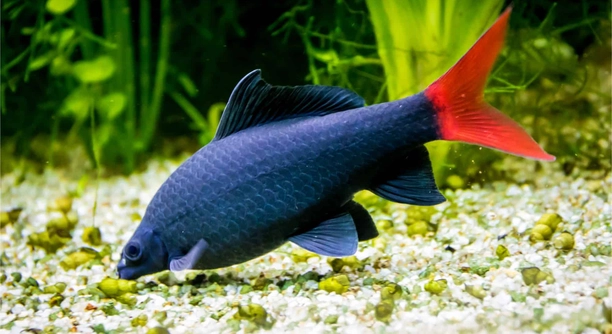
Are your rainbow shark’s behaviors changing, or do they seem more agitated than usual around other tank mates and decorations?
Lack of hiding spaces often causes stress and aggression in rainbow sharks. These territorial fish need several secure spots to retreat and feel safe. Insufficient cover can lead to erratic swimming, hiding behind equipment, and increased hostility toward other fish.
Understanding the signs early can help you create a safer, healthier environment for your rainbow shark’s well-being and daily comfort.
Signs Your Rainbow Shark Feels Exposed
Rainbow sharks often show their discomfort in subtle ways. If your shark is constantly swimming along the glass, pacing, or hiding behind the filter instead of resting in decorations, it could mean they’re feeling unsafe. These behaviors can become more intense if they lack proper places to hide. Their territorial instincts make them crave safe zones where they can observe without being seen. Without enough cover, stress levels rise, affecting their eating habits and general behavior. Over time, this stress can lead to weakened immunity or aggression toward tank mates, disrupting the balance of your aquarium.
A stressed rainbow shark may also become more reclusive or overly defensive during feeding times.
Providing enough cover helps your shark feel more secure. You’ll likely notice calmer swimming patterns and more predictable behavior when they have multiple places to retreat. It also gives them a sense of control over their environment.
How Many Hiding Spots Do They Need?
The average rainbow shark will benefit from at least three to four well-placed hiding areas in their tank.
This number should increase if the tank is shared with other bottom dwellers or semi-aggressive species. Each zone helps reduce competition for space, offering them more control and freedom. Hiding spots don’t have to be expensive or complex—simple caves, driftwood, PVC pipes, or dense plants all work well. Spread them across the tank to avoid territorial clashes, and avoid stacking objects too closely, which can trap fish or limit movement. When these zones are spaced out, the shark feels like it owns a defined territory. If you notice aggression or signs of stress even after adding cover, consider adjusting placement or adding more. Lighting also matters—dimmer areas can encourage use of the hiding spots. Check regularly to make sure nothing has collapsed or shifted, keeping each space open and safe. These small adjustments can make a big difference in your shark’s overall behavior.
Types of Hiding Spaces That Work Best
Caves made from natural stone or resin are great because they provide full coverage and are easy to clean. Dense plants, both real and artificial, also help break sightlines and reduce stress during active hours.
Stacked slate caves, ceramic tunnels, and driftwood offer durable and varied hiding options. These structures give your rainbow shark room to rest without being completely out of sight, which they prefer. Artificial caves designed for aquariums are another reliable choice since they’re built to be safe and won’t release harmful substances. Avoid anything with sharp edges or painted finishes that might flake. Rounded designs are best because they reduce the risk of injury. Mixing tall vertical plants with horizontal caves helps mimic a natural riverbed layout. Spread the hiding areas across the tank so your shark doesn’t feel confined to one zone. This variety helps them feel secure and reduces stress-related behaviors.
Adding variety to hiding spots can also reduce tank aggression. Choose a mix of open-ended tunnels, low-overhang shelters, and high plants. Each structure serves a different purpose, supporting their natural instincts to observe, defend, and retreat. This not only helps with behavioral balance but also supports long-term health and comfort.
Why Placement Matters More Than Quantity
Even with plenty of hiding spots, poor placement can cause territorial conflict and stress. Spread the hiding spaces around the tank to prevent one area from becoming overcrowded or overly guarded by your shark.
If all shelters are placed in the same area, your rainbow shark may claim them all and become aggressive toward other fish that pass nearby. To avoid this, position shelters on opposite ends and in corners. Create different layers of cover—some low to the gravel and others mid-tank—so they can choose based on mood or tank activity. This allows your shark to move between areas safely without always having to confront another fish. Leave clear swimming lanes between structures so they don’t feel trapped. Observe how your shark interacts with each space over time and adjust as needed. Placement that reflects their natural behavior patterns makes them feel more at ease and leads to a healthier aquarium.
Signs You’ve Added Enough Hiding Spaces
Your rainbow shark will swim more calmly and avoid hiding behind equipment if the tank setup feels secure. You’ll also notice less chasing, especially if other fish are present, and more time spent exploring calmly.
Feeding time becomes less tense, and the shark won’t guard one specific area aggressively. Instead, it may rotate between spots, showing comfort with the layout and placement.
When to Rearrange or Add More
If your shark starts pacing again, becomes more territorial, or hides excessively, it’s a sign that the current layout no longer meets its needs. Growth, new tank mates, or changes in lighting can shift their comfort levels. In that case, rearranging existing decorations or adding another cave may help. Monitor their behavior after each adjustment. A quick return to calm, steady swimming means you’ve made a helpful change. Avoid making too many adjustments at once, as that can also trigger stress.
Materials to Avoid
Avoid plastic decorations with sharp edges or peeling paint. These can injure your shark or release unsafe chemicals into the water.
FAQ
Can rainbow sharks live without hiding spots?
They technically can, but it’s not recommended. Without hiding spaces, rainbow sharks often become stressed, aggressive, or withdrawn. These fish are territorial by nature and need secure spots to rest and feel safe. A tank without proper cover can lead to constant pacing, hiding behind filters or heaters, and hostile behavior toward other fish. Long-term stress also weakens their immune system, making them more prone to illness. While a clean tank is important, it shouldn’t be too open. Giving them at least a few well-placed shelters helps balance their need for space and security.
What types of plants work well for hiding spaces?
Tall, bushy plants like Java fern, Amazon sword, and Anubias are great options. These plants provide dense cover without blocking swimming paths. Artificial plants are also fine if they’re soft and don’t have sharp edges. Avoid plastic plants that feel stiff or rough, as they can damage fins. Plant placement matters just as much—spread them around the tank rather than grouping them in one corner. Mixing tall plants with low ground cover helps mimic natural riverbeds and gives your shark different levels of protection throughout the tank.
Should I use natural or artificial caves?
Both types work, but each has pros and cons. Natural caves made from slate or smooth rocks look more realistic and are often safer, as long as they’re aquarium-safe. Artificial caves, like resin or ceramic options, are easier to clean and designed specifically for aquatic use. Some have multiple entrances, which reduces trapping and gives the fish options to enter or exit freely. Just avoid any material that’s painted, coated in dyes, or not labeled as aquarium-safe. Whichever type you choose, make sure all edges are smooth and that the structure is stable.
How big should hiding spaces be?
The hiding space should be large enough for your rainbow shark to enter and turn around comfortably but small enough to feel enclosed. A snug fit helps them feel secure. If it’s too open, it won’t give the sense of shelter they need. Hiding spots with multiple entrances are ideal since they provide escape routes and reduce territorial conflicts. For juvenile sharks, smaller shelters work fine, but as they grow, you’ll need to upgrade to larger structures. Monitor how they use each spot and adjust the size as needed over time.
Can too many hiding spots be a problem?
It’s rare, but too many shelters can limit open swimming space, especially in smaller tanks. Rainbow sharks need a balance—places to hide and areas to patrol. If the tank becomes too cluttered, it can confuse their territorial instincts or disrupt water flow. This might cause waste to settle in corners, affecting water quality. Stick to three to five well-placed shelters in tanks under 55 gallons. In larger tanks, you can add more, but always watch their behavior. If your shark seems overwhelmed or constantly hiding, reduce the number slightly or rearrange the layout.
Do rainbow sharks share hiding spots with other fish?
Not usually. Rainbow sharks are territorial and prefer to have their own space. If another fish tries to enter their chosen shelter, the shark may chase or nip to drive it away. This is especially true in smaller tanks or when space is limited. To reduce conflict, make sure there are multiple hiding spots for every bottom-dwelling fish in the tank. Even peaceful tank mates should have their own shelters. Giving each fish its own territory helps keep aggression down and promotes a more peaceful environment.
How often should I clean the hiding spaces?
Check them during regular tank maintenance. If they collect waste or algae, remove them for cleaning. Rinse artificial decorations in tank water (not tap water) to preserve beneficial bacteria. For natural materials like wood or stone, gently scrub with a soft brush to remove debris. Never use soap or harsh cleaners. It’s also a good idea to vacuum the gravel around these spots, since debris often settles there. Keeping hiding places clean supports water quality and prevents infections caused by decaying waste or buildup.
Is rearranging hiding spaces stressful for the fish?
Yes, if done too often. Rainbow sharks can become territorial about their favorite spots, so frequent rearranging can make them feel insecure. However, occasional changes—especially when adding new tank mates or upgrading shelter—can be helpful. Rearranging can disrupt established territories and reduce aggression, especially in tanks with multiple semi-aggressive species. If your shark seems unusually aggressive, a layout change might help. Make sure any new shelters are stable and offer proper cover. Always observe behavior after changes to ensure your shark adapts well and remains calm.
Final Thoughts
Creating a secure environment for your rainbow shark is one of the most important parts of keeping them healthy and stress-free. These fish are naturally territorial and need spaces where they can rest, hide, and feel safe. Without enough cover, they can become anxious, aggressive, or withdrawn, which may lead to long-term health problems. Adding the right number of hiding spaces—at least three to four—is a simple way to support their natural behaviors. The right setup can also make your tank look more natural and balanced, benefiting all fish in the aquarium.
Not all hiding spots are equal. Safe materials, proper sizing, and smart placement make a big difference. Using a mix of caves, tunnels, driftwood, and soft plants helps give your shark the variety they need to feel comfortable. Try to space these shelters around the tank so your fish can move between them without crossing another fish’s path too often. This lowers the chance of aggression and supports healthier, calmer behavior. Watch for changes in your shark’s actions—like pacing or guarding one area—as these may be signs that the layout needs improvement or that more cover is needed.
Routine observation, gentle rearranging, and basic maintenance of hiding areas can keep things running smoothly. Even small changes in tank layout or lighting can affect how secure your rainbow shark feels. While too many changes can stress your fish, the right adjustments can fix tension before it turns into a bigger problem. Giving your shark enough space to feel safe and in control will lead to better feeding, less aggression, and more active, natural behavior. Over time, a thoughtful tank setup supports not just the rainbow shark’s needs, but the health and balance of the entire aquarium.

Hello,
If you enjoy the content that we create, please consider saying a "Thank You!" by leaving a tip.
Every little bit helps us continue crafting quality advice that supports the health, happiness, and well-being of pets around the world, for pets of all shapes, sizes, and species.
We really appreciate the kindness and support that you show us!