
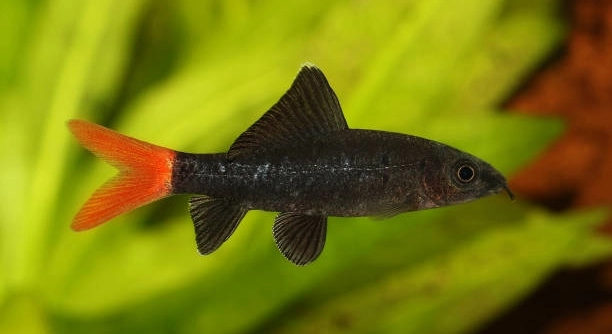
Is your rainbow shark spending most of its time hiding in the corner or darting around like it’s unsettled? These behaviors can be signs that something in its environment isn’t quite right and needs attention.
The easiest way to make your rainbow shark happier is by improving its tank setup, providing consistent water conditions, and reducing stress through proper tank mates and enough space. These factors directly influence its comfort and behavior.
Creating a better environment for your rainbow shark can lead to more peaceful swimming, brighter colors, and healthier habits over time.
Give Them Enough Space
Rainbow sharks need room to swim and explore. A tank that’s too small can make them territorial and anxious. A 55-gallon tank is ideal for a single rainbow shark. It helps reduce aggressive behavior and gives them space to move around freely. These fish are bottom-dwellers, so a longer tank is better than a tall one. Add hiding spots with caves or driftwood, but don’t overcrowd the tank. Clear swimming areas are just as important as places to hide. A well-planned tank layout gives your shark a sense of control, which helps with confidence and reduces stress.
A cramped tank can make your rainbow shark feel unsafe and cause it to become more aggressive or withdrawn.
By giving them the right amount of space, your rainbow shark can swim calmly, show natural behaviors, and avoid unnecessary stress. It’s one of the simplest ways to improve their mood and health long-term.
Keep the Water Clean and Stable
Clean water helps your rainbow shark stay healthy and active. Poor water quality can lead to illness and stress.
Test the water regularly for ammonia, nitrite, nitrate, and pH levels. Rainbow sharks do best in water with a stable pH between 6.5 and 7.5, and a temperature around 75–80°F. Sudden changes in water conditions can upset them, so make adjustments slowly if needed. Use a good-quality filter and perform partial water changes weekly—around 25% is enough. Rinse filter media in tank water (not tap water) to keep beneficial bacteria alive. These bacteria help break down waste and keep the water safe. Avoid overfeeding, as leftover food can quickly affect the water balance. A clean and stable tank supports your shark’s immune system, appetite, and energy levels. Over time, you’ll notice fewer issues and more consistent behavior. Water quality isn’t just about appearance—it directly impacts your shark’s ability to thrive.
Add Hiding Spots
Rainbow sharks feel more secure when they have places to hide. Without shelter, they can become aggressive or nervous. Decorations like caves, plants, and driftwood offer safe spaces that help them relax and establish territory.
Use natural-looking materials to make your shark feel at home. Smooth rocks, PVC pipes, and aquarium-safe wood work well. Avoid anything with sharp edges that could cause injury. Spread the hiding spots across the tank to prevent territorial issues, especially if there are other fish. You don’t need to fill the tank completely—just a few well-placed shelters can make a big difference. Hiding spots not only reduce stress but also encourage your rainbow shark to come out more often, knowing it has a safe place to return to when needed.
A relaxed shark is more likely to explore and display natural behaviors. Over time, it may become more visible and active once it feels secure.
Avoid Aggressive Tank Mates
Rainbow sharks can be territorial, especially with fish that look or act similarly. Avoid housing them with other bottom-dwellers, sharks, or fish with the same shape and size. These combinations often lead to fighting and stress.
Choose tank mates that occupy other levels of the tank and have a peaceful nature. Mid-level swimmers like barbs, rainbowfish, or danios are often good choices. Keep in mind, each fish has its own personality, so observe behavior closely after introducing new tank mates. Add hiding spots to reduce confrontations and help each fish establish its own space. If aggression becomes a problem, separating them may be necessary. Keeping the tank size large and well-structured can also help reduce tension. A peaceful tank leads to better health and a calmer rainbow shark, and avoiding the wrong mix of fish can prevent long-term issues you don’t want to deal with later.
Feed a Balanced Diet
Rainbow sharks need a mix of protein and plant matter to stay healthy. Use sinking pellets made for bottom-feeders and add occasional treats like bloodworms or brine shrimp. Include blanched veggies like zucchini or spinach once a week.
Feeding once or twice a day is enough. Avoid overfeeding, as it can dirty the water and stress your fish. Watch how much your shark eats in a few minutes and remove any leftovers. A well-fed shark will have brighter colors, steady energy, and better resistance to illness.
Maintain a Calm Environment
Loud noises, sudden tank movements, and harsh lighting can cause stress. Keep the tank in a quiet area and use soft lighting. Avoid tapping on the glass.
Choose the Right Substrate
Rainbow sharks like to explore the bottom of the tank, so choose a soft, smooth substrate. Fine gravel or sand is best. Avoid sharp rocks or rough gravel that can injure their belly or fins.
FAQ
How can I tell if my rainbow shark is stressed?
A stressed rainbow shark may hide constantly, lose color, stop eating, or act aggressively toward other fish. It might also swim frantically or stay still in one corner. These signs usually mean something in its environment is off—like poor water quality, tank mates that are too aggressive, or not enough space to swim. Stress weakens their immune system and makes them more likely to get sick. If you notice these changes, test the water, check the tank setup, and observe other fish. Even small improvements can help your shark feel more secure.
Do rainbow sharks like to live with other fish?
Rainbow sharks can live with other fish, but they are not very social. They’re territorial, especially with similar-looking or bottom-dwelling fish. To reduce the chance of aggression, choose peaceful tank mates that swim in the middle or upper areas. Avoid keeping them with other sharks, plecos, or cichlids. The tank should be large, with enough hiding spots to break up territories. Each fish needs its own space. If you notice frequent chasing or fin nipping, it may be best to separate them. Some rainbow sharks are more tolerant, but it depends on the individual fish.
Why does my rainbow shark hide all the time?
Hiding is normal at times, especially if your shark is new to the tank or adjusting to changes. But if it hides constantly, it might feel threatened or stressed. This can happen if the tank is too small, there are aggressive fish, or there aren’t enough shelters. Make sure the water parameters are stable, the lighting is soft, and there are hiding spots available. Over time, as it feels more comfortable, your rainbow shark should start coming out more often, especially during feeding times. A peaceful environment helps build its confidence.
How often should I clean the tank?
A weekly routine works best for rainbow sharks. Change about 25% of the water every week to keep things stable. Clean the glass if algae starts to grow, and vacuum the substrate to remove uneaten food or waste. Rinse the filter media in tank water (not tap water) during water changes to keep helpful bacteria alive. Avoid deep cleanings that disrupt the balance of the tank. Consistency is key—regular, small cleanings are better than occasional deep ones. This keeps the water clean and your fish healthy without causing sudden shifts in water conditions.
What’s the ideal tank size for a rainbow shark?
The minimum tank size for one rainbow shark is 55 gallons. A smaller tank can make them territorial and aggressive. They need space to swim freely and to claim a small territory. A long tank is better than a tall one because they mostly stay near the bottom. Adding decorations like caves and plants can help break up space and reduce conflict. If you want to add other fish, go even larger to give everyone enough room. A spacious tank helps prevent stress and gives your shark a more natural space to thrive.
Can I keep more than one rainbow shark in a tank?
It’s usually not recommended. Rainbow sharks are known for being territorial, especially toward their own kind. Keeping more than one can lead to fighting and stress unless the tank is very large—over 100 gallons—and has plenty of hiding spots and separated areas. Even then, success is not guaranteed. Most aquarists keep just one rainbow shark per tank to avoid conflict. If you do try to house more than one, introduce them at the same time and monitor closely for signs of aggression. Be ready to separate them if needed.
Final Thoughts
Keeping a rainbow shark happy is not complicated, but it does take some attention. These fish are active, territorial, and sensitive to their environment. If something feels off in the tank, they will show it in their behavior. Giving them a calm, clean space with enough room to swim and hide can make a big difference. When they feel secure, they are more relaxed, more colorful, and more likely to show natural behaviors. A stressed fish tends to hide or act aggressive, but a happy one will explore the tank and eat well. It’s not just about keeping them alive—it’s about helping them feel comfortable where they live.
The size of the tank and the setup inside are two of the most important things to get right. A tank that’s too small or too crowded can lead to a lot of problems. Choosing the right tank mates, feeding a proper diet, and keeping the water clean are all simple ways to improve your rainbow shark’s health and mood. These changes don’t have to be expensive or difficult. Even small adjustments, like adding a few hiding spots or softening the lighting, can help your shark feel better. Routine care—like weekly water changes and regular filter checks—will keep the tank balanced, which helps your fish thrive long-term.
Rainbow sharks have strong personalities. Some might be shy, while others are bold. Each one acts a little differently, and over time, you’ll learn what works best for your own fish. If your shark isn’t as active or seems uneasy, it’s often a sign that something in its environment needs to change. Watching your fish regularly helps you catch problems early. A happy rainbow shark will swim calmly, eat without hesitation, and interact with its space in a relaxed way. Giving your fish the right care helps it live a longer, healthier life. When its needs are met, your rainbow shark will become a beautiful and peaceful part of your aquarium.

Hello,
If you enjoy the content that we create, please consider saying a "Thank You!" by leaving a tip.
Every little bit helps us continue crafting quality advice that supports the health, happiness, and well-being of pets around the world, for pets of all shapes, sizes, and species.
We really appreciate the kindness and support that you show us!