
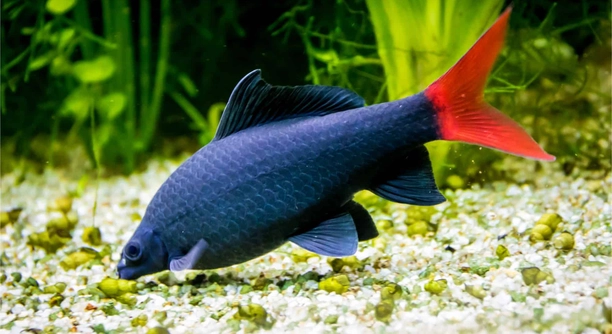
Rainbow Sharks are colorful and lively fish, but they often hide in aquariums. Their shy behavior can make it hard for owners to enjoy watching them. Understanding why they hide is the first step to helping them feel safe and visible.
Rainbow Sharks tend to hide due to stress, lack of proper tank conditions, or territorial instincts. Ensuring an appropriate environment with hiding spots, stable water quality, and compatible tank mates reduces their need to retreat and encourages natural, active behavior.
Learning these simple tips can improve your Rainbow Shark’s comfort and bring more activity to your tank. Small changes can create a big difference in how often they come out into the open.
Create a Comfortable Environment
Creating a comfortable environment for your Rainbow Shark is important to reduce hiding. Start by setting up plenty of plants, rocks, or decorations where your fish can feel safe. These spots provide shelter without making the tank feel crowded. Keep the water clean and maintain a steady temperature between 72-79°F (22-26°C). Make sure the tank size is at least 30 gallons, as Rainbow Sharks need space to swim freely. Avoid sudden loud noises or vibrations around the aquarium, as these can scare your fish. Lighting should be moderate; too bright can stress them out, and too dim can make them less active. By adjusting the tank to meet their needs, you help your Rainbow Shark feel secure and less likely to hide.
Keeping a stable environment helps Rainbow Sharks grow comfortable and lowers stress levels, which directly reduces hiding behavior.
A peaceful tank setup with good water quality, moderate lighting, and plenty of hiding places makes a big difference. Your Rainbow Shark will start exploring more and show off its vibrant colors when it feels safe in its home.
Choose Compatible Tank Mates
Rainbow Sharks can be territorial, so choosing the right tank mates matters. Avoid keeping them with aggressive or very small fish that may trigger stress or fights. Compatible fish include peaceful, similarly sized species like Corydoras catfish or larger tetras. When choosing tank mates, aim for species that occupy different tank areas to minimize competition. Avoid overcrowding, which increases tension and hiding. Introduce new fish gradually to reduce stress for all residents.
Selecting tank mates carefully creates a balanced community where your Rainbow Shark feels secure and less likely to retreat.
Adding peaceful companions that won’t compete for space or food allows your Rainbow Shark to be more active and visible. When fish coexist calmly, your Rainbow Shark won’t feel threatened, reducing hiding and encouraging natural behavior. Creating harmony among tank mates also helps maintain good water quality since fewer conflicts mean less waste and stress. Regular observation after adding new fish helps catch any early signs of trouble. With the right choices, your aquarium becomes a vibrant, peaceful home where Rainbow Sharks thrive without hiding.
Provide Plenty of Hiding Spots
Rainbow Sharks feel safer when they have multiple hiding spots. Rocks, caves, and dense plants work well. These places let them rest without feeling exposed.
Adding several hiding spots reduces stress by giving your fish choices for refuge. Avoid overcrowding the tank with decorations, but make sure there are enough safe areas so your Rainbow Shark can choose where to hide. Different hiding spots also encourage exploration as your fish moves between them. Using natural materials helps keep the tank balanced and comfortable. Change up the arrangement occasionally to keep your fish curious and less likely to stay hidden all the time.
Plants like Java fern or Anubias are ideal because they are sturdy and provide good cover. Artificial caves or PVC pipes also work well. Hiding spots help your Rainbow Shark feel in control of its space, which boosts confidence and activity levels in the tank.
Maintain Stable Water Conditions
Water quality directly affects your Rainbow Shark’s behavior. Fluctuations in temperature, pH, or ammonia levels cause stress and hiding. Keeping stable conditions is essential.
Regular water testing is the best way to catch changes early. Perform weekly partial water changes of about 25% to keep ammonia, nitrite, and nitrate at safe levels. Maintain the pH between 6.5 and 7.5 and the temperature around 75°F. Use a reliable heater and filter to keep water clean and stable. Avoid sudden changes in the tank environment that may startle your fish. Consistency helps your Rainbow Shark feel secure and encourages it to swim freely rather than hide. Clean water means better health and more visible activity in your tank.
Feed a Balanced Diet
Rainbow Sharks need a diet rich in protein and vegetables. A mix of pellets, flakes, and occasional live or frozen foods works well.
Feeding them twice a day in small amounts prevents leftover food that can pollute the tank. Consistent feeding routines help your fish feel secure and less stressed.
Avoid Overcrowding
Too many fish in one tank increase competition and stress. Overcrowding makes Rainbow Sharks hide more often to avoid conflict.
Providing enough space reduces aggression and promotes healthy behavior. Aim for at least 10 gallons per fish to keep your tank balanced and peaceful.
Use Gentle Lighting
Bright or flashing lights can stress Rainbow Sharks, causing them to hide. Soft, steady lighting mimics their natural habitat better.
Adjusting lighting levels helps your fish feel calm and encourages activity during the day. Using a timer keeps light consistent for a healthy tank environment.
FAQ
Why does my Rainbow Shark hide all the time?
Rainbow Sharks often hide due to stress or feeling unsafe. This can happen because of poor water conditions, an overcrowded tank, or aggressive tank mates. They also hide if the tank lacks enough hiding spots or if the lighting is too bright. Providing a stable environment with places to hide and calm tank mates usually helps them feel more comfortable and reduces hiding.
How long does it take for a Rainbow Shark to stop hiding?
The time it takes for a Rainbow Shark to stop hiding depends on several factors. If the tank conditions improve and stressors are removed, some fish may come out in a few days to a week. Others might take longer, up to several weeks, as they slowly build trust in their environment. Patience is key, as rushing changes can increase their stress.
Can I train my Rainbow Shark to come out?
Yes, you can encourage your Rainbow Shark to be more visible by feeding it regularly in the same spot and avoiding sudden movements around the tank. Using a consistent feeding routine helps them associate your presence with food, which makes them less afraid over time. However, never tap the glass or chase the fish, as this will cause more hiding.
Is hiding a sign of illness?
Hiding can sometimes be a sign of illness, but it is not always the case. If your Rainbow Shark is hiding along with other symptoms like loss of appetite, unusual swimming, or discoloration, it’s a good idea to test the water and consider consulting a vet or fish expert. Stress from illness makes fish more likely to hide, so watch for other signs carefully.
What tank size is best for a Rainbow Shark?
A tank of at least 30 gallons is recommended for a single Rainbow Shark. They need space to swim and establish their territory. A larger tank also helps maintain water quality and reduces stress from overcrowding. If you plan to keep multiple Rainbow Sharks or other fish, increase the tank size accordingly.
Can Rainbow Sharks live with other fish?
Rainbow Sharks can live with other fish if the species are compatible. Peaceful, medium-sized fish that occupy different parts of the tank work best. Avoid keeping them with aggressive or very small fish, as this can cause stress and hiding. Always monitor behavior when introducing new tank mates to ensure harmony.
How often should I clean the tank?
Regular maintenance is important. Partial water changes of 20-25% should be done weekly or biweekly, depending on tank size and fish load. Cleaning the substrate, filter, and decorations will also keep the tank healthy. Clean water reduces stress, which helps your Rainbow Shark feel safe and less likely to hide.
What do Rainbow Sharks eat?
Rainbow Sharks are omnivores and need a balanced diet. High-quality pellets or flakes made for bottom feeders form the main diet. Supplement with live or frozen foods like bloodworms or brine shrimp for protein, and occasionally add vegetables like zucchini or peas. Feeding a variety keeps them healthy and active.
Is it normal for Rainbow Sharks to be shy?
Yes, Rainbow Sharks are naturally shy and territorial fish. They often hide to avoid perceived threats or to establish territory. With the right environment and care, they will gradually become more active and visible, but some level of shyness usually remains.
How can I reduce aggression in my tank?
Aggression can be lowered by providing plenty of space, hiding spots, and choosing compatible tank mates. Avoid overcrowding and sudden changes in the tank. Keeping water quality stable also helps reduce stress-related aggression. Observing your fish regularly allows you to intervene early if conflicts arise.
Final Thoughts
Rainbow Sharks can be a bit shy, especially when they are first introduced to a new tank. It’s normal for them to hide as they adjust to their surroundings. Creating a safe and comfortable environment is very important for helping them feel at ease. This means keeping the water clean, maintaining a steady temperature, and providing plenty of places where they can hide when they want to. When these needs are met, Rainbow Sharks tend to come out more and show their bright colors, which makes watching them much more enjoyable.
Choosing the right tank mates and avoiding overcrowding also play a big role in how comfortable your Rainbow Shark feels. Aggressive or very small fish can stress them out, causing more hiding. It’s best to pick peaceful fish that live in different parts of the tank. This reduces competition and gives your Rainbow Shark the space it needs to swim freely. Along with this, regular feeding with a balanced diet helps keep your fish healthy and active. A fish that is well fed and unstressed is less likely to hide for long periods.
Maintaining stable water conditions is one of the most important steps. Changes in temperature, pH, or water quality can cause stress and make your Rainbow Shark retreat. Testing water regularly and doing partial water changes keeps the tank clean and safe. Lighting is another factor to consider—too bright or sudden changes can cause your fish to hide. Using gentle, consistent lighting helps create a calm environment. Overall, patience and attention to your fish’s needs will encourage your Rainbow Shark to be more active and less hidden, improving your experience as a fish keeper.

Hello,
If you enjoy the content that we create, please consider saying a "Thank You!" by leaving a tip.
Every little bit helps us continue crafting quality advice that supports the health, happiness, and well-being of pets around the world, for pets of all shapes, sizes, and species.
We really appreciate the kindness and support that you show us!