
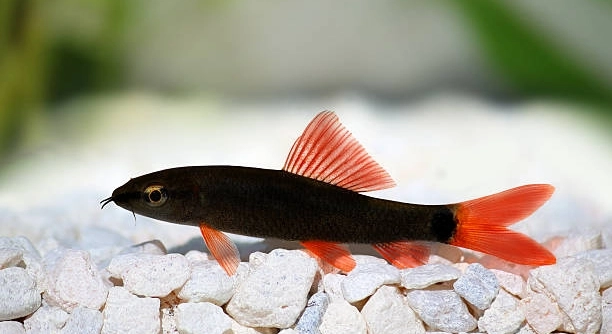
Rainbow sharks are popular aquarium fish known for their vibrant colors and peaceful nature. They require a well-maintained environment to thrive and display their best behaviors. Creating the right conditions helps keep them healthy and active in your tank.
Providing the perfect environment for your rainbow shark involves maintaining clean water with stable temperature, ample swimming space, and hiding spots. Proper diet, compatible tank mates, and regular monitoring of water parameters are essential to ensure their well-being.
Knowing how to set up and maintain this environment will support your rainbow shark’s health and happiness over time. This article outlines practical steps for creating an ideal home for them.
Tank Size and Setup
A spacious tank is essential for a rainbow shark to swim freely and avoid stress. A minimum of 30 gallons is recommended to provide enough room for movement. The tank should have a sandy or fine gravel substrate to mimic their natural habitat. Including rocks, driftwood, and plants creates hiding spots that help them feel secure. Avoid overcrowding the tank with too many fish, as rainbow sharks can be territorial. Proper filtration and regular water changes are necessary to keep the water clean and healthy. The tank setup should also include a secure lid, since these fish are known to jump occasionally. Paying attention to these details ensures a comfortable environment that supports their well-being and reduces aggression.
Maintaining a suitable tank environment promotes healthier behavior and longevity for your rainbow shark.
A well-planned setup reduces stress and encourages natural behaviors like exploring and foraging. These fish prefer moderate lighting and subdued environments, so placing the tank away from direct sunlight can help prevent algae growth and temperature fluctuations. Regular testing of water parameters, such as pH, ammonia, and nitrite levels, is also important. Stable conditions create a balanced ecosystem where your rainbow shark can thrive. Taking time to organize the tank thoughtfully will improve your fish’s quality of life and minimize potential health problems.
Water Quality and Temperature
Maintaining stable water quality is vital for rainbow sharks’ health.
Rainbow sharks thrive in temperatures between 74°F and 80°F. Keeping the water within this range supports their metabolism and immune system. Sudden changes in temperature can cause stress and illness, so using a reliable heater and thermometer is recommended to monitor conditions closely. In addition, keeping the water clean by performing regular partial water changes removes toxins and waste buildup. Testing water for ammonia, nitrite, and nitrate levels ensures these harmful compounds remain at safe levels. Proper filtration helps maintain oxygen levels and clear water, which are crucial for their survival. Consistent care in monitoring and adjusting water quality promotes a stable environment where rainbow sharks can flourish.
Diet and Feeding
Rainbow sharks need a balanced diet that includes both plant and animal matter. High-quality pellets or flakes formulated for omnivorous fish should be the base. Supplementing with live or frozen foods like bloodworms or brine shrimp adds variety and nutrition.
Feeding should occur once or twice daily, offering only what they can consume within a few minutes. Overfeeding can pollute the water and cause health problems. Providing vegetables such as blanched spinach or zucchini occasionally helps meet their dietary fiber needs. Observing their eating habits will help you adjust portions and ensure they stay healthy and active.
It’s also helpful to feed at different tank locations to prevent competition and aggression with other fish. Using a feeding ring or target feeding can ensure your rainbow shark gets its share. Consistency in feeding times establishes a routine that reduces stress and promotes better digestion.
Compatible Tank Mates
Rainbow sharks are semi-aggressive and territorial, so choosing compatible tank mates is important. Avoid keeping them with other bottom dwellers or similarly aggressive fish. Peaceful mid to top-level swimmers are better companions.
Ideal tank mates include larger tetras, barbs, and some gouramis. Avoid small, slow-moving fish that may become targets. Monitoring interactions regularly helps catch any aggression early. Providing plenty of hiding spots reduces territorial disputes. Adding fish gradually and watching their behavior allows adjustments if conflicts arise. Compatibility is key for a peaceful community tank with rainbow sharks.
Lighting and Decor
Rainbow sharks prefer moderate lighting that mimics their natural environment. Too much light can stress them and encourage algae growth. Using dimmable lights or placing the tank away from direct sunlight helps maintain balance.
Natural decorations like plants, rocks, and driftwood offer hiding places and reduce stress. Avoid sharp objects that could injure them.
Regular Maintenance
Regular maintenance is crucial to keep the tank healthy. Partial water changes of 20-30% weekly help maintain water quality. Cleaning the substrate removes waste that can harm fish. Filters should be checked and cleaned monthly to ensure proper function.
Monitoring Behavior
Watching your rainbow shark’s behavior helps detect health issues early. Signs like loss of appetite, unusual swimming patterns, or hiding may indicate problems. Quick response to changes can prevent serious illness.
FAQ
How often should I feed my rainbow shark?
Feeding your rainbow shark once or twice a day is sufficient. Offer only the amount they can eat in about 2-3 minutes to prevent leftover food from polluting the tank. A balanced diet of pellets, flakes, and occasional live or frozen food helps keep them healthy.
What is the ideal tank size for a rainbow shark?
A tank size of at least 30 gallons is recommended. Rainbow sharks are active swimmers and need ample space to move freely. Larger tanks also help reduce territorial behavior and aggression, providing a more peaceful environment for all fish.
Can rainbow sharks live with other fish?
Yes, but choosing compatible tank mates is important. Avoid other bottom dwellers or aggressive species. Peaceful mid to top-level swimmers like barbs, tetras, and some gouramis usually coexist well. Always monitor interactions and provide plenty of hiding spots.
What water parameters do rainbow sharks need?
Rainbow sharks thrive in water temperatures between 74°F and 80°F. The pH should be maintained around 6.5 to 7.5. Ammonia and nitrite levels must be kept at zero, with nitrates below 20 ppm. Regular water testing helps maintain these conditions.
How often should I perform water changes?
Perform partial water changes of 20-30% every week. This helps remove waste and toxins, keeping the water clean and safe. Regular maintenance of filters and substrate cleaning are also necessary to maintain water quality.
Why does my rainbow shark hide often?
Hiding is normal behavior, especially if the tank lacks sufficient cover or if the fish feels stressed. Ensure there are enough hiding spots like plants, rocks, and driftwood. Check water parameters and tank mates, as poor conditions or aggression may cause hiding.
How can I tell if my rainbow shark is healthy?
A healthy rainbow shark will have vibrant colors, swim actively, and eat regularly. Watch for signs such as clear eyes, intact fins, and smooth scales. Any lethargy, discoloration, or unusual swimming could indicate illness and should be addressed promptly.
Is it normal for rainbow sharks to jump out of the tank?
Yes, rainbow sharks sometimes jump when startled or stressed. Use a secure lid on your tank to prevent escapes. Maintaining good water quality and minimizing sudden changes reduces stress and jumping behavior.
What do rainbow sharks eat in the wild?
In their natural habitat, rainbow sharks eat small insects, crustaceans, plant matter, and algae. Replicating this diet with a mix of pellets, live or frozen foods, and occasional vegetables helps keep them balanced in captivity.
Can rainbow sharks be aggressive toward their own kind?
Rainbow sharks can be territorial and aggressive toward their own species, especially in small tanks. Keeping only one per tank or providing a large enough space with plenty of hiding spots reduces conflicts between individuals.
Creating the perfect environment for your rainbow shark requires attention to several important factors. From tank size and water quality to diet and tank mates, each element plays a key role in maintaining their health and well-being. A properly set-up tank with clean, stable water conditions helps prevent stress and illness. Providing enough space for swimming and hiding ensures they feel secure and reduces territorial aggression. Maintaining a balanced diet supports their energy and vibrant colors. These combined efforts contribute to a happier, longer-living fish in your care.
Consistency is important when caring for rainbow sharks. Regular maintenance, such as partial water changes and filter cleaning, keeps the environment stable. Monitoring water parameters like temperature, pH, and ammonia levels is necessary to avoid harmful fluctuations. Feeding on a set schedule with the right portion sizes prevents overfeeding and water pollution. Observing your fish’s behavior daily helps catch any early signs of health issues or stress. Small, ongoing actions in your routine create a healthy habitat that encourages natural behaviors and reduces problems.
Taking the time to understand and meet your rainbow shark’s needs leads to a rewarding aquarium experience. Each fish has unique traits, and a well-prepared environment allows these traits to shine. Thoughtful tank setup, proper nutrition, and compatible companions all contribute to their overall happiness. Your care and attention improve not only their quality of life but also your enjoyment as a keeper. Providing a balanced environment reflects respect for the species and makes aquarium keeping more fulfilling.

Hello,
If you enjoy the content that we create, please consider saying a "Thank You!" by leaving a tip.
Every little bit helps us continue crafting quality advice that supports the health, happiness, and well-being of pets around the world, for pets of all shapes, sizes, and species.
We really appreciate the kindness and support that you show us!