
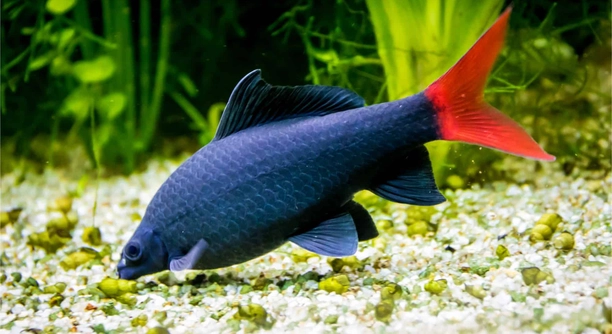
Rainbow sharks are popular freshwater fish known for their striking colors and active nature. However, they can sometimes show aggression, especially in crowded tanks or when stressed. Understanding how to prevent this behavior is important for their well-being.
Preventing rainbow shark tank aggression involves managing tank size, providing sufficient hiding spots, maintaining water quality, avoiding overcrowding, and monitoring compatibility with other fish species. Regular feeding and minimizing sudden changes also contribute to reducing stress and territorial disputes.
These practical steps will help create a calm environment where your rainbow sharks can thrive without unnecessary conflict or harm.
Provide Adequate Tank Space
Rainbow sharks need enough room to swim freely and establish their territories without constant conflict. A tank smaller than 30 gallons often leads to stress and aggression, as fish feel cramped and threatened. Larger tanks give them space to spread out and reduce encounters that cause fighting. It is important to avoid overcrowding by limiting the number of fish and choosing compatible species. Providing a spacious environment helps rainbow sharks feel secure and less likely to display aggressive behavior.
Smaller tanks tend to increase stress and aggression in rainbow sharks.
Offering ample space in your tank can significantly lower tension among your fish. When rainbow sharks have enough room, they are less prone to fight, leading to a healthier and more peaceful aquarium overall. This reduces injuries and keeps your fish active and happy.
Create Plenty of Hiding Spots
Rainbow sharks are territorial but also need places to retreat when feeling threatened. Rocks, plants, and decorations can serve as hiding spots, helping reduce stress by giving fish areas to avoid direct confrontation. Well-placed shelters let shy or less dominant fish escape aggression and regain confidence. Without adequate cover, territorial disputes can escalate quickly, leading to injuries or constant chasing. Hiding places also enrich the environment, encouraging natural behavior and making the tank more interesting to watch.
Adding caves, driftwood, and dense plants helps simulate a natural habitat. Avoid open, barren tanks, which can cause fish to feel exposed and vulnerable. Distributing hiding spots evenly throughout the tank prevents any one area from becoming too crowded or contested. This balance promotes peaceful coexistence by allowing fish to claim individual zones and take breaks from interaction. Regularly rearranging decorations can also help disrupt established territories and reduce ongoing conflicts. Ensuring a variety of shelter types and sizes accommodates the needs of all your rainbow sharks and their tank mates, making aggression much less common and the aquarium a more pleasant environment for everyone.
Maintain Water Quality
Keeping the water clean is essential to reduce stress and aggression in rainbow sharks. Poor water conditions make fish more irritable and prone to fighting.
Regular water changes and proper filtration help maintain ideal water parameters. Ammonia, nitrite, and nitrate levels should be monitored closely and kept within safe limits. Clean water reduces toxins and keeps fish healthy, which lowers the chance of aggressive behavior. Testing the water weekly and performing partial water changes of about 25% every two weeks can maintain stability.
Stable water temperature and pH also contribute to calm fish. Sudden changes in temperature or chemical balance can cause stress, triggering aggression. Use a reliable heater and test kits to ensure the tank stays consistent. Avoid overfeeding, as leftover food decays and pollutes the water, worsening conditions. Maintaining good water quality is a fundamental step in creating a peaceful environment for rainbow sharks.
Avoid Overcrowding
Overcrowding leads to increased competition for resources and space, which raises aggression levels among rainbow sharks.
Each rainbow shark requires sufficient personal space to establish territory. A crowded tank forces fish into constant close contact, escalating conflicts. Overcrowding can also reduce oxygen levels, making fish weaker and more prone to stress. Proper stocking levels depend on tank size but generally limit one rainbow shark per 20 gallons.
Carefully selecting compatible species and avoiding aggressive or very active tank mates reduces tension. Avoid mixing too many bottom dwellers, as rainbow sharks compete for territory near the tank floor. When overcrowding is controlled, fish exhibit more natural behavior and aggression significantly decreases. Proper space management supports healthier, calmer rainbow sharks.
Feed a Balanced Diet
Feeding rainbow sharks a balanced diet helps reduce aggression caused by hunger or competition.
Regular feeding times with high-quality food keep them satisfied and less likely to fight over scraps.
Monitor Tank Mates
Choosing peaceful tank mates is important to prevent rainbow shark aggression. Avoid overly aggressive or fast-moving fish that may provoke stress or competition.
Compatible species help maintain harmony, reducing the chance of territorial disputes and bullying within the aquarium.
Minimize Sudden Changes
Sudden changes in environment or routine can stress rainbow sharks, triggering aggressive behavior. Consistency in lighting, feeding, and water conditions supports calm fish.
Avoid drastic rearrangements of decorations or adding new fish too quickly, as these changes can disrupt established territories and increase fighting.
Why are my rainbow sharks aggressive?
Rainbow sharks can become aggressive due to limited space, poor water quality, or overcrowding. They are territorial by nature, so if their environment does not provide enough room or hiding spots, they may fight to defend their area. Stress from sudden changes in tank conditions or incompatible tank mates can also trigger aggression.
How can I tell if my rainbow shark is stressed?
Signs of stress include hiding excessively, loss of appetite, rapid breathing, and visible injuries from fights. Aggressive chasing or biting among tank mates can also indicate stress. Watching behavior closely helps identify early problems so you can act quickly to improve conditions.
What tank size is best for rainbow sharks?
A minimum of 30 gallons is recommended for one rainbow shark. Larger tanks help reduce territorial disputes by giving them more space to establish separate zones. Adding extra space is always better, especially if you plan to keep multiple fish or other species.
Can rainbow sharks live peacefully with other fish?
Yes, they can live with peaceful, non-aggressive fish that occupy different areas of the tank. Avoid mixing them with other bottom-dwelling or highly territorial species. Compatible tank mates include tetras, danios, and gouramis, which generally stay out of the rainbow shark’s territory.
What should I feed rainbow sharks to keep them healthy?
Feed a varied diet including sinking pellets, flakes, and occasional live or frozen foods like bloodworms or brine shrimp. Regular feeding with quality food keeps them healthy and reduces aggression caused by hunger or competition. Feed small amounts 1-2 times daily.
How often should I clean the tank?
Perform partial water changes of about 25% every one to two weeks. Regular cleaning prevents buildup of harmful chemicals like ammonia and nitrates that stress fish and cause aggressive behavior. Also, clean filters regularly but avoid removing all beneficial bacteria at once.
Are decorations important in preventing aggression?
Yes, decorations provide hiding spots and territories for rainbow sharks. Rocks, plants, and caves allow them to avoid direct confrontation and reduce stress. Even spacing of hiding places throughout the tank helps prevent one area from becoming overcrowded or contested.
Can rearranging the tank cause aggression?
Sudden rearrangements can disrupt established territories and cause fighting as fish adjust to new layouts. It is best to make small changes slowly over time to minimize stress and aggression. Keeping the environment stable supports peaceful behavior.
What do I do if aggression continues despite changes?
If aggression persists, consider increasing tank size or reducing the number of fish. Isolating particularly aggressive individuals or using a separate tank may be necessary. Consulting with a fish expert or veterinarian can help identify health or behavioral issues contributing to aggression.
Is overcrowding the main cause of aggression?
Overcrowding is one of the most common reasons rainbow sharks become aggressive. Too many fish compete for limited space and resources, raising stress and conflict. Keeping proper stocking levels and ensuring sufficient space is key to maintaining peace in the aquarium.
How important is water temperature for rainbow shark behavior?
Maintaining stable water temperature between 74°F and 80°F is important. Sudden temperature fluctuations stress fish, making them more prone to aggression. Using a reliable heater and thermometer helps keep temperature consistent.
Can adding plants help reduce aggression?
Yes, live or artificial plants provide cover and visual barriers. They break up sight lines and reduce direct encounters, which helps decrease territorial disputes. Plants also improve water quality by absorbing nitrates, contributing to overall fish health and calmness.
How do I introduce new fish without causing aggression?
Add new fish slowly and during feeding times to distract established fish. Quarantine new arrivals to prevent disease. Avoid overcrowding and ensure tank size is adequate before adding more fish. Careful introduction reduces stress and aggressive reactions.
Is it normal for rainbow sharks to chase each other occasionally?
Some chasing is normal as they establish territories. However, constant or violent chasing indicates stress or overcrowding. Observing behavior helps determine when intervention is needed to prevent injuries.
What signs show that aggression is harming my fish?
Visible wounds, torn fins, and lethargy indicate harm from aggression. Frequent hiding or loss of appetite can also suggest bullying. Acting quickly to improve conditions can prevent serious injury or death.
Can diet changes reduce aggression?
Providing balanced nutrition reduces hunger-driven fighting. Overfeeding should be avoided as it pollutes water, causing stress. Supplementing diet with occasional live or frozen foods can improve health and reduce irritability.
How does lighting affect rainbow shark aggression?
Consistent lighting cycles help maintain stable behavior. Too bright or sudden changes in light can stress fish. Using a timer to simulate natural day-night cycles supports calmness and reduces aggression.
Are rainbow sharks aggressive at night?
They are generally less active at night but may still defend territory. Providing hiding spots and stable conditions helps prevent night-time aggression.
Can stress from illness cause aggression?
Sick fish often become irritable and more aggressive. Monitoring health and treating diseases promptly reduces stress-related fighting. Healthy fish are calmer and less likely to fight.
What is the role of oxygen levels in aggression?
Low oxygen stresses fish and increases aggression. Proper aeration and filtration ensure sufficient oxygen levels, supporting peaceful behavior and overall health.
How can I tell if my tank is overcrowded?
Signs include frequent aggression, sluggish movement, cloudy water, and excessive algae growth. Counting fish against recommended stocking levels and observing behavior helps identify overcrowding issues.
Should I separate aggressive rainbow sharks?
Separation can be necessary if aggression causes injury or stress. Using a divider or separate tank prevents harm and allows fish to calm down. Reintroduce carefully after behavior improves.
What role do territorial boundaries play in aggression?
Rainbow sharks defend their territory to feel secure. If boundaries are unclear or cramped, fighting increases. Providing enough space and hiding spots helps establish clear territories, reducing conflicts.
Can aggressive behavior be a sign of breeding?
Some aggression increases during breeding periods as fish protect spawning sites. This behavior is temporary and usually decreases after eggs are laid or fry hatch.
How often should I test my aquarium water?
Weekly testing of ammonia, nitrite, nitrate, pH, and temperature is recommended. Consistent monitoring helps catch problems early and maintain a healthy environment that discourages aggression.
Does water hardness affect rainbow shark aggression?
Rainbow sharks prefer moderately hard water. Extreme hardness or softness can stress fish, making them more aggressive. Keeping water parameters stable within preferred ranges supports calm behavior.
Can adding more hiding spots mid-tank help with aggression?
Yes, adding shelters in central tank areas reduces overcrowding of favored spots. This prevents fights over prime territory and gives fish more options to retreat.
Is it okay to keep multiple rainbow sharks together?
Multiple rainbow sharks can live together in large, well-structured tanks with plenty of space and hiding places. Smaller tanks increase aggression significantly and should be avoided.
How do I know if my rainbow shark is dominant?
Dominant rainbow sharks display more bold behavior, often chasing others and claiming the best territories. They may appear larger due to reduced stress but can cause problems in small tanks.
Are there signs of long-term stress due to aggression?
Chronic stress can weaken the immune system, causing illness, faded colors, and reduced lifespan. Ensuring peaceful conditions is vital for rainbow sharks’ health and longevity.
What equipment helps reduce aggression?
Proper filters, heaters, aerators, and lighting systems maintain stable, comfortable conditions. Well-maintained equipment supports a healthy tank environment, reducing triggers for aggression.
Can tank size alone solve aggression problems?
Tank size is a major factor but must be combined with proper stocking, water quality, hiding spots, and compatible tank mates for best results. All elements together create a peaceful tank.
Is it normal for rainbow sharks to have occasional spats?
Yes, minor spats are natural during territory establishment but should not be frequent or violent. Persistent fights need addressing to prevent injury.
How do I handle aggression during feeding time?
Feed in multiple spots to reduce competition. Offering enough food at once helps prevent fighting. Observing behavior during feeding ensures all fish eat peacefully.
What are the consequences of ignoring aggression?
Ignoring aggression can lead to injury, stress, disease, and death. It also affects the overall tank environment by increasing waste and reducing fish health. Prompt action is necessary.
Can adding floating plants reduce aggression?
Floating plants diffuse light and provide shade, creating a calmer atmosphere. They also offer additional cover, which can reduce visible confrontation and territorial disputes.
How does water flow affect aggression?
Strong currents can stress rainbow sharks, increasing aggression. Gentle, moderate flow suits their natural habitat and promotes calm behavior.
Can changing the tank layout help stop aggression?
Rearranging decorations occasionally can disrupt established territories and reduce ongoing fights. Changes should be gradual to avoid stressing fish further.
Are there behavioral signs that a rainbow shark is ready to fight?
Signs include flared fins, chasing, sudden darting movements, and body color changes. Recognizing these helps intervene before fights escalate.
What should I do if a fish is injured from aggression?
Isolate injured fish in a quarantine tank to heal. Treat wounds with appropriate medications and maintain clean water to prevent infection. Monitor recovery closely before reintroducing.
Is aggression more common in younger or older rainbow sharks?
Aggression tends to increase as rainbow sharks mature and establish territories. Younger fish may show less fighting but still need proper space and care.
Does adding driftwood help with aggression?
Driftwood adds natural hiding places and helps break up open spaces, giving fish more areas to claim and retreat, which reduces conflicts.
Can lighting timers help with aggression control?
Yes, timers create predictable light cycles that reduce stress and help maintain natural rhythms, supporting peaceful behavior among fish.
How can I reduce aggression when adding new fish?
Introduce fish gradually, ensure adequate space, and provide hiding spots. Adding new fish during feeding can distract established fish and lower aggression.
Is it better to keep rainbow sharks singly or in groups?
Keeping them singly is easier to manage for aggression but groups can work in large tanks with enough space and hiding spots. Groups require more careful monitoring.
How do I know when to increase tank size?
If aggression, stress, or overcrowding signs appear despite other measures, a larger tank is needed to provide sufficient space for all fish.
Are there any natural remedies to reduce aggression?
Some hobbyists use natural plants or calming additives to improve water quality and fish comfort, but these should supplement—not replace—good tank management practices.
What role does consistent feeding schedule play in aggression?
Consistent feeding routines reduce hunger stress and competition, lowering aggression by keeping fish well-nourished and less irritable.
How long does it take for aggression to decrease after changes?
Aggression may decrease within days to weeks depending on the changes made. Patience and consistent care are essential during this adjustment period.
What is the best way to observe fish behavior for aggression?
Regular, quiet observation during feeding and resting times helps identify aggression early. Avoid sudden movements or loud noises that can stress fish and alter behavior.
Can I use tank dividers to manage aggression?
Tank dividers are effective for separating aggressive individuals or protecting injured fish. They provide a physical barrier that prevents direct contact and injury.
Is overcrowding only about the number of fish?
No, overcrowding also relates to tank layout, species behavior, and size of fish. Even small numbers can cause problems if the environment is not suitable.
Does aggressive behavior affect breeding success?
High aggression can stress breeding pairs or fry, reducing reproductive success. Calm, well-maintained tanks improve breeding conditions.
Are rainbow sharks aggressive toward their own species?
Yes, rainbow sharks can be territorial toward each other, especially in small tanks or without sufficient hiding places.
What are alternative bottom-dwelling fish for community tanks?
Corydoras and kuhli loaches are peaceful bottom dwellers that usually coexist well with rainbow sharks, reducing competition and aggression.
How important is quarantine for new fish?
Quarantine prevents disease spread and helps observe new fish behavior before introduction, reducing aggression triggers related to illness or stress.
How can I tell if aggression is due to illness?
If aggression appears suddenly along with signs of sickness like discoloration or lethargy, illness may be the cause. Treating health issues often reduces fighting.
Should I avoid certain colors or patterns when selecting rainbow sharks?
Color or pattern does not significantly affect aggression. Focus on size, temperament, and tank conditions for better behavior management.
Can training or conditioning reduce aggression?
While fish cannot be trained like pets, consistent care and a stable environment encourage calm behavior over time.
Is it normal for rainbow sharks to flare fins?
Yes, fin flaring is a natural display of dominance or warning but should not lead to constant aggression or injury.
How do I handle aggression during breeding season?
Provide extra hiding places and consider separating aggressive pairs to protect other tank mates. Monitor closely until breeding activity ends.
Are there specific water parameters ideal for reducing aggression?
Stable pH around 6.5-7.5, temperature between 74°F-80°F, and low ammonia/nitrites are ideal. Stability reduces stress and aggression.
Can feeding live food increase aggression?
Live food can excite fish, sometimes increasing aggression. Offer live food sparingly and observe behavior carefully.
What is the role of routine in preventing aggression?
Routines in feeding, lighting, and maintenance create predictable conditions that lower stress and aggression in rainbow sharks.
How can I make a small tank less aggressive?
Use plenty of hiding spots, maintain excellent water quality, avoid overcrowding, and choose calm tank mates to reduce aggression in limited space.
Does water hardness fluctuate affect aggression?
Frequent changes in water hardness can stress fish, increasing aggressive behavior. Keep hardness levels stable.
Are there any signs that a rainbow shark is too stressed to recover?
Extreme lethargy, refusal to eat, or constant hiding may indicate severe stress needing intervention or medical care.
Is aggression common when rainbow sharks are kept alone?
Aggression is rare when kept singly since there are no competitors. However, they may become bored or stressed without stimulation.
Can rearranging tank decorations calm aggressive fish?
Yes, rearranging disrupts established territories and can lower ongoing fights by forcing fish to reestablish boundaries.
How do water changes affect aggression?
Proper water changes reduce toxins and stress, lowering aggression. Avoid drastic or infrequent changes that can shock fish.
Does temperature shock increase aggression?
Yes, sudden temperature drops or rises cause stress and can trigger aggressive behavior in rainbow sharks.
What equipment is essential to reduce aggression?
Reliable heaters, filters, aerators, and lighting systems help maintain a stable environment, reducing triggers for aggression.
How can I tell if aggression is improving?
Less chasing, fewer injuries, and calmer behavior indicate aggression is decreasing after changes.
What is the average lifespan of a rainbow shark in a peaceful tank?
They typically live 5 to 8 years with proper care and a peaceful environment.
Can overcrowding cause water quality issues that increase aggression?
Yes, overcrowding produces more waste, leading to poor water quality and higher stress, which increases aggression.
Is aggression more common during certain times of day?
Aggression may peak during feeding or when lights turn on but should not be constant or violent.
What role does tank shape play in aggression?
Long tanks offer more linear territory and reduce confrontations better than tall or narrow tanks, which limit horizontal space.
Can I use medication to calm aggressive rainbow sharks?
Some calming treatments exist but should be used cautiously and as a last resort alongside environmental improvements.
How often should I feed to prevent aggression?
Feeding once or twice daily with controlled amounts keeps fish satisfied without polluting water, reducing aggression.
Is aggressive behavior hereditary in rainbow sharks?
Aggression is mostly influenced by environment and care, not genetics. Proper management reduces aggressive tendencies.
Are there any fish that can calm aggressive rainbow sharks?
Some peaceful schooling fish can distract and balance tank dynamics but no fish will fully control aggression alone.
Does tank lighting color affect aggression?
Lighting color has minimal effect; brightness and consistency matter more for stress and aggression control.
What should I do if aggression causes death in the tank?
Remove aggressive individuals promptly, improve tank conditions, and review stocking to prevent further losses.
Can adding snails or shrimp reduce aggression?
These invertebrates do not affect aggression but add tank interest and help with cleaning.
How does feeding location affect aggression?
Feeding in multiple spots prevents competition and reduces fighting over food.
Is it normal for rainbow sharks to hide after aggression?
Yes, injured or stressed fish often hide to recover. Providing ample cover supports healing and reduces stress.
How can I safely reintroduce fish after separating due to aggression?
Reintroduce slowly, observe behavior, and rearrange decorations to reduce territorial disputes.
Does water flow direction matter for aggression?
Providing gentle, consistent flow reduces stress. Avoid strong currents that may tire fish and increase irritability.
What role does tank cycling play in aggression?
A fully cycled tank with established beneficial bacteria keeps water stable and fish healthy, reducing aggression triggers.
Can overcrowding cause fin nipping among rainbow sharks?
Yes, fin nipping often occurs in crowded tanks where fish are stressed and compete for space.
Are rainbow sharks aggressive during feeding time only?
Feeding time can increase aggression due to competition, but aggression should not be constant or violent outside feeding.
What are the best plants to reduce aggression?
Dense plants like java fern, anubias, and hornwort provide good cover and reduce visible confrontations.
Can aggressive rainbow sharks be tamed?
While not truly tame, consistent care and a stable environment encourage calmer, less aggressive behavior.
What role does water pH stability have in aggression?
Stable pH prevents stress and supports peaceful behavior. Frequent fluctuations increase aggression risk.
How can I identify bullying in my tank?
Bullying includes constant chasing, chasing away fish from food or hiding spots, and visible injuries on targets.
Does overcrowding affect oxygen levels and aggression?
Yes, low oxygen from overcrowding stresses fish, making them more aggressive. Proper aeration is essential.
Can frequent tank maintenance reduce aggression?
Regular cleaning and water changes keep the environment healthy, lowering stress and aggressive behavior.
Are some rainbow sharks naturally more aggressive than others?
Individual temperaments vary, but environment plays a bigger role in shaping behavior than inherent aggression.
How do I handle aggression in small tanks?
Limit fish numbers, add hiding spots, maintain water quality, and choose calm species to reduce aggression in small spaces.
**Can adding
Final thoughts on managing rainbow shark aggression focus on creating a balanced environment. Aggression is often linked to space, water quality, and tank setup. Providing enough room and hiding spots helps reduce territorial disputes. Maintaining clean water and stable conditions also lowers stress that can lead to fights. Understanding the natural behavior of rainbow sharks is important. They are territorial but can live peacefully if their needs are met properly.
It is essential to pay attention to tank size and stocking levels. Overcrowding causes stress and increases aggression, so keeping the right number of fish is crucial. Decorations like plants, rocks, and caves give fish places to retreat and establish their own areas. Feeding a varied, balanced diet also contributes to calmer behavior. Regular monitoring of water parameters and fish health helps prevent problems before they escalate. Making gradual changes instead of sudden ones allows fish to adjust without unnecessary stress.
If aggression continues despite efforts, separating aggressive fish or increasing tank size may be necessary. Sometimes individual fish have more dominant temperaments that make peaceful coexistence difficult. Patience and consistent care are key to maintaining a healthy aquarium. Overall, managing aggression requires attention to environment, diet, and fish behavior. A well-maintained tank with adequate space and resources creates the best chance for rainbow sharks to live peacefully alongside other fish.

Hello,
If you enjoy the content that we create, please consider saying a "Thank You!" by leaving a tip.
Every little bit helps us continue crafting quality advice that supports the health, happiness, and well-being of pets around the world, for pets of all shapes, sizes, and species.
We really appreciate the kindness and support that you show us!