
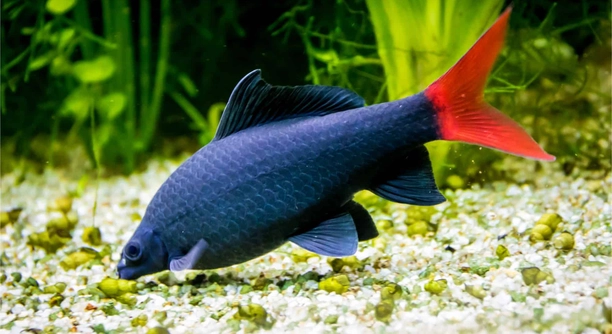
Are your rainbow sharks thriving as well as they could be in their aquarium? Maintaining ideal water conditions is essential for their health and activity. Proper care helps prevent stress and promotes vibrant colors in these popular fish.
Improving water conditions for rainbow sharks involves monitoring parameters such as temperature, pH, ammonia, nitrite, and nitrate levels regularly. Ensuring proper filtration, regular water changes, and avoiding overcrowding are critical steps to maintain a balanced and healthy aquatic environment.
Understanding the key factors behind water quality will help you create a better habitat for your rainbow shark. This article provides practical tips to enhance their environment effectively.
Monitor Water Temperature Closely
Rainbow sharks thrive best in water temperatures between 74°F and 79°F (23°C to 26°C). Keeping the temperature stable within this range supports their metabolism and activity levels. Sudden changes can stress the fish, leading to illness or lethargy. Use a reliable aquarium thermometer to track the temperature daily. If the water gets too cold, the fish may become inactive, and if it becomes too warm, oxygen levels can drop, making it hard for them to breathe. Adjust your heater settings carefully, and avoid placing the tank near drafts or direct sunlight, which can cause temperature fluctuations. Consistent temperature control creates a comfortable environment that supports the rainbow shark’s health and coloration.
Temperature stability in an aquarium prevents unnecessary stress and promotes natural behavior in rainbow sharks.
Using a digital or glass thermometer in an easy-to-see location inside the tank helps keep a constant check. Automatic heaters with thermostats are recommended to maintain steady temperatures without constant manual adjustments. These small efforts prevent common health problems related to temperature stress.
Maintain Proper Filtration and Aeration
Clear, clean water is essential for rainbow sharks to stay healthy. A good filtration system removes waste and harmful chemicals from the water, preventing toxic buildup. Filters also promote water circulation, which increases oxygen levels. Aeration can be improved with air stones or bubbler devices to ensure the fish get enough oxygen. Without proper filtration and aeration, waste products like ammonia and nitrites can accumulate, harming your fish. Cleaning the filter regularly and changing water partially every week keeps the environment stable. Choose a filter rated for your tank size to avoid under- or over-filtering. Strong water flow is not ideal, as rainbow sharks prefer calmer areas with moderate movement. Monitoring water clarity and oxygen levels will help you adjust filtration settings as needed.
Proper filtration and aeration are key to creating a safe, healthy habitat for your rainbow shark. They reduce toxins, improve water quality, and support the fish’s respiratory needs. Maintaining this balance helps prevent diseases and promotes a longer life for your aquatic pet. Regular maintenance ensures the system works efficiently, keeping the water clean and comfortable. Additionally, avoiding overcrowding reduces the stress on filters and aeration devices, making care easier and more effective. With the right setup, your rainbow shark can display its best colors and active behavior.
Regular Water Testing
Testing your aquarium water regularly helps catch problems early. It ensures the environment remains safe for your rainbow shark by monitoring key parameters such as pH, ammonia, nitrites, and nitrates.
Water testing kits are widely available and easy to use. Checking these levels weekly helps you spot any changes that might stress your fish. Ammonia and nitrite should always be at zero because they are toxic. Nitrate should be kept below 20 ppm to avoid health issues. The pH level for rainbow sharks should remain between 6.5 and 7.5. Regular testing allows timely adjustments to water chemistry, preventing illness and encouraging a stable environment.
If you detect high ammonia or nitrites, immediate partial water changes can help. Adjusting the pH with commercially available products is possible but should be done gradually. Keeping these factors in balance protects your fish and supports their well-being.
Control Feeding Amounts
Overfeeding can quickly deteriorate water quality. Excess food breaks down and raises ammonia and nitrate levels, causing poor water conditions.
Feed your rainbow shark small amounts once or twice a day, only what they can consume in a few minutes. Remove uneaten food promptly to prevent decay. Balanced nutrition helps maintain their health and vibrant colors. Feeding too much not only harms water quality but can lead to obesity and digestive problems in your fish.
Choosing high-quality food specifically designed for rainbow sharks provides essential nutrients. Supplementing with occasional vegetables like blanched zucchini supports their diet. Proper feeding habits create a cleaner tank and reduce stress on your filtration system. This simple step goes a long way in improving water conditions and your fish’s overall health.
Perform Regular Water Changes
Regular water changes reduce waste and harmful chemicals in the tank. Changing 20–30% of the water weekly helps keep the environment clean and balanced for your rainbow shark.
Using dechlorinated water during changes prevents damage to beneficial bacteria. This simple practice supports water quality and fish health by removing toxins before they build up.
Avoid Overcrowding
Too many fish in one tank leads to waste buildup and poor water quality. Rainbow sharks need space to swim and establish territory.
Maintaining a proper stocking level reduces stress and competition for resources. It also lightens the load on your filtration system, helping keep the water stable and clean.
Use Live Plants
Live plants improve water quality by absorbing nitrates and providing oxygen. They also create hiding places, reducing stress for rainbow sharks.
Plants like Java fern and Anubias are hardy and compatible with these fish. Including live plants enhances the tank’s natural balance and beauty.
How often should I test the water for my rainbow shark?
Testing the water once a week is usually enough to keep track of important parameters like ammonia, nitrite, nitrate, and pH. More frequent testing may be needed during the first few weeks after setting up the tank or if you notice any changes in fish behavior or health. Regular testing helps prevent sudden water quality issues that can harm your fish.
What is the ideal pH level for rainbow sharks?
Rainbow sharks thrive in a pH range of 6.5 to 7.5. Staying within this range ensures their comfort and helps keep their immune system strong. Large shifts in pH can stress your fish and lead to health problems, so it’s important to monitor and adjust gradually if needed.
Can I keep rainbow sharks with other fish?
Yes, but you need to choose tank mates carefully. Rainbow sharks can be territorial and aggressive, especially in smaller tanks. Avoid keeping them with slow-moving or long-finned fish. Suitable companions include fast swimmers like danios, barbs, or certain types of tetras. Always provide plenty of hiding spots to reduce aggression.
How much should I feed my rainbow shark?
Feed your rainbow shark once or twice daily, giving only what they can eat within 2–3 minutes. Overfeeding can pollute the water and harm the fish. Use a balanced diet that includes high-quality pellets or flakes formulated for bottom feeders. Occasional treats like bloodworms or blanched vegetables add variety.
What temperature should I maintain in the tank?
Keep the water temperature between 74°F and 79°F (23°C to 26°C). Maintaining a stable temperature within this range supports their metabolism and reduces stress. Use a reliable aquarium heater and thermometer to monitor and adjust the temperature as needed.
How often should I change the water?
Perform partial water changes of 20–30% weekly. This removes accumulated toxins and refreshes the tank environment. Always use dechlorinated water to avoid harming beneficial bacteria and your fish. Regular water changes are key to maintaining good water quality.
What type of filtration is best for a rainbow shark tank?
A filter rated for your tank size that provides mechanical, chemical, and biological filtration is ideal. Rainbow sharks need clean, well-oxygenated water but prefer moderate flow. Canister filters or hang-on-back filters work well. Clean the filter media regularly but avoid washing it with tap water to preserve beneficial bacteria.
Can live plants help improve water quality?
Yes, live plants absorb nitrates and produce oxygen, improving water conditions. Hardy plants like Java fern, Anubias, and Cryptocoryne are good choices for rainbow shark tanks. Plants also offer hiding spots, which can reduce stress and aggression among fish.
Why is my rainbow shark hiding most of the time?
Hiding can be normal behavior, especially if the fish feels stressed or threatened. Common causes include poor water quality, aggressive tank mates, or insufficient hiding places. Ensure water parameters are stable, provide plants or decorations for cover, and avoid overcrowding to help your fish feel safe.
What should I do if ammonia or nitrite levels are high?
High ammonia or nitrite is toxic and needs immediate attention. Perform a large partial water change (about 50%) to dilute toxins. Check your filter and clean it if clogged, but don’t remove all beneficial bacteria. Avoid feeding until levels drop. Testing water frequently during this time will help monitor improvements.
How can I reduce algae growth in my tank?
Algae thrives in excess nutrients and light. To control it, avoid overfeeding, perform regular water changes, and limit light exposure to 8–10 hours daily. Introducing algae-eating species or live plants can also help maintain balance. Cleaning tank surfaces and decorations regularly prevents buildup.
Is it necessary to quarantine new fish before adding them?
Yes, quarantining new fish for at least two weeks helps prevent introducing diseases into your main tank. Keep new fish in a separate tank and monitor their health. Treat any illnesses early to protect your rainbow shark and other inhabitants.
What signs indicate my rainbow shark is stressed?
Signs of stress include hiding excessively, loss of appetite, faded colors, rapid breathing, and unusual swimming patterns. Stress is often caused by poor water quality, aggressive tank mates, or sudden changes in the environment. Addressing these issues promptly helps your fish recover quickly.
How large should the tank be for a rainbow shark?
A minimum of 30 gallons is recommended for one rainbow shark. They need space to swim and establish territory. Larger tanks reduce aggression and provide a more stable environment. Overcrowding can lead to poor water conditions and stress.
Can I use tap water for water changes?
Tap water can be used only if treated with a water conditioner to remove chlorine and chloramine. These chemicals are harmful to fish and beneficial bacteria. Using untreated tap water can cause stress or death. Always test the water after treatment to ensure safety before adding it to your tank.
Maintaining healthy water conditions is essential for keeping rainbow sharks vibrant and active. Paying close attention to water temperature, pH levels, and cleanliness creates an environment where these fish can thrive. Regular water testing, proper filtration, and partial water changes help prevent harmful chemical buildup and keep the tank stable. It is important to be consistent with these care routines, as sudden changes or neglect can quickly affect the health of your fish. Even small adjustments, like controlling feeding amounts and avoiding overcrowding, contribute to better water quality and reduce stress on your rainbow shark.
In addition to water quality, providing a comfortable habitat with live plants and hiding spots supports the natural behavior of rainbow sharks. Plants not only improve water conditions by absorbing excess nutrients but also offer shelter where fish can retreat when feeling stressed. This balance between a clean environment and a thoughtfully arranged tank helps reduce aggression and promotes healthier fish. Selecting compatible tank mates and maintaining a suitable tank size are also important to avoid conflicts and overcrowding, which can impact water conditions and fish well-being.
Ultimately, the health of your rainbow shark depends on steady and attentive care. Monitoring the tank’s water quality and making timely adjustments will keep your fish happy and reduce the chances of illness. Simple steps like regular water changes, proper feeding, and good filtration can make a big difference over time. By following these practices, you create a safe, stable environment where your rainbow shark can live comfortably and show off its vibrant colors. Consistency and care are key to enjoying a thriving aquatic pet.

Hello,
If you enjoy the content that we create, please consider saying a "Thank You!" by leaving a tip.
Every little bit helps us continue crafting quality advice that supports the health, happiness, and well-being of pets around the world, for pets of all shapes, sizes, and species.
We really appreciate the kindness and support that you show us!