
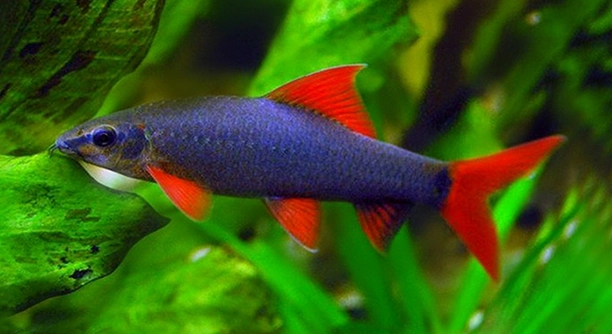
Rainbow sharks are popular freshwater fish known for their vibrant colors and peaceful nature. Many aquarium enthusiasts find their behavior interesting, especially during mating season. Understanding their reproductive habits helps in providing better care.
Rainbow shark mating involves territorial behavior, with males often establishing and defending specific areas. Spawning typically occurs in the early morning, where females lay eggs on flat surfaces. Successful breeding requires stable water conditions and a suitable environment.
Learning about these habits can improve your chances of witnessing or supporting rainbow shark breeding in captivity. These insights are valuable for both beginners and experienced fish keepers alike.
Understanding Rainbow Shark Territories
Rainbow sharks are naturally territorial, especially males during mating periods. They often claim a spot in the aquarium, defending it from other fish. This behavior is crucial because it creates a safe area for spawning. The male’s territory usually includes flat surfaces like rocks or aquarium walls where the female will lay eggs. Territorial aggression may increase when a female enters, signaling readiness to mate. If the tank is too small or crowded, conflicts can arise, causing stress for all fish involved. Keeping enough space and hiding spots helps reduce tension and promotes healthy interactions. Observing these behaviors can help you identify when mating might occur. Managing tank conditions carefully is essential to support these natural instincts and encourage breeding success.
Maintaining separate territories during mating is key for rainbow sharks to reproduce successfully. Space and environment matter.
Knowing how to provide enough room and suitable surfaces allows your rainbow sharks to feel secure. This security increases their chances to breed naturally without excess stress or fighting. Creating an environment that mimics their natural habitat helps encourage these behaviors. Proper tank setup, including plants and rocks, also offers cover and breaks the line of sight between fish. This reduces aggressive encounters while supporting territorial needs. Watching how the fish interact gives clues about their comfort and readiness. Adjusting conditions based on these signs can lead to a more peaceful aquarium and successful spawning events.
Spawning Behavior and Egg Care
Rainbow sharks usually spawn early in the morning when conditions are calm and stable. The female lays eggs on clean, flat surfaces within the male’s territory. After laying, the male fertilizes the eggs and guards the area. The eggs are sticky and attach firmly, preventing them from drifting away. It’s important to keep water quality high during this time, as poor conditions can harm eggs or prevent fertilization. The male’s protective behavior continues until the eggs hatch, which takes about two to three days depending on temperature. Once hatched, fry become free-swimming and require special feeding to survive. Many aquarium keepers choose to separate the adults to avoid aggression toward the young fish.
Spawning in rainbow sharks involves careful egg placement and parental guarding by the male.
Providing clean surfaces for egg laying and stable water quality greatly improves hatch rates. Removing adults after spawning prevents accidental harm to fry. Understanding these stages helps in preparing a suitable environment for successful reproduction. Proper care at each step is crucial to raise healthy young rainbow sharks.
Mating Triggers and Conditions
Water temperature plays a significant role in triggering rainbow shark mating behavior. Slight increases in temperature can stimulate spawning readiness. Stable water parameters, including pH and hardness, are also essential. Sudden changes may stress the fish and prevent mating.
Ideal spawning temperatures range from 78°F to 82°F. Maintaining this temperature band encourages hormonal changes necessary for reproduction. Consistent water quality reduces stress and supports overall health. Providing a calm environment without sudden disturbances allows fish to focus on mating activities. Light cycles should mimic natural conditions, typically around 12 hours of light daily. These factors together create the right signals for rainbow sharks to begin courtship and spawning.
Besides temperature, availability of hiding spots and a balanced diet enhance mating success. Healthy fish with less stress are more likely to reproduce. A varied diet including protein-rich foods improves vitality and reproductive readiness. Clean water and proper filtration keep the environment safe for eggs and fry. Regular monitoring of conditions and fish behavior helps identify the best time for breeding efforts.
Courtship Behavior
Male rainbow sharks show vibrant colors and swim actively to attract females. They perform chasing and circling displays around potential mates. These behaviors indicate readiness and help form pair bonds. Sometimes, males may flare their fins to show dominance during courtship.
Courtship is an essential step in the mating process, signaling interest and ensuring compatibility between fish. This behavior can last several hours or days before spawning occurs. Observing these actions helps determine if the fish are prepared to breed. Providing a stress-free environment allows natural courtship rituals to unfold. Encouraging these interactions increases chances of successful egg fertilization and healthy offspring development.
Egg Development and Hatching
Rainbow shark eggs usually hatch within two to three days after fertilization. During this time, eggs remain firmly attached to surfaces. Water quality must stay high to prevent fungal growth and ensure healthy development.
Keeping the tank clean and stable helps protect eggs. Gentle aeration can improve oxygen levels, which supports embryo growth. Avoid disturbing the eggs, as this can cause damage or stress to the parents.
Raising Rainbow Shark Fry
Once hatched, fry are very small and need careful feeding. They require tiny live or powdered foods, such as infusoria or newly hatched brine shrimp. Frequent feedings throughout the day help them grow strong and healthy.
Feeding small amounts often ensures fry get enough nutrition without fouling the water. Clean water and gentle filtration are also important to keep the fry safe from harmful conditions.
Common Challenges in Breeding
Breeding rainbow sharks can be difficult due to their territorial nature and sensitivity to water changes. Aggression between males or stress from overcrowding may reduce spawning success.
Careful tank management and monitoring behavior are essential to overcome these challenges. Creating separate spaces or using breeding tanks can improve outcomes.
FAQ
How can I tell when my rainbow shark is ready to mate?
Signs of mating readiness include increased activity, vibrant coloration, and territorial behavior, especially in males. They may chase females gently and show fin flaring. Females ready to spawn often appear fuller in the belly. These behaviors typically happen during stable water conditions and proper temperature.
What is the best tank setup for breeding rainbow sharks?
A spacious tank with plenty of flat surfaces for egg laying is essential. Provide hiding spots like plants or rocks to reduce aggression. Keep water temperature between 78°F and 82°F, maintain stable pH around 6.5–7.5, and ensure good filtration. Avoid overcrowding to prevent stress and fighting.
Do rainbow sharks need a specific diet to breed successfully?
Yes, a varied diet rich in protein helps improve reproductive health. Include live or frozen foods such as bloodworms, brine shrimp, and high-quality pellets. Feeding several times a day during breeding season boosts vitality and increases the chances of spawning.
How long does it take for rainbow shark eggs to hatch?
Eggs generally hatch within two to three days after fertilization, depending on water temperature. Warmer water speeds up development, but avoid exceeding 82°F to prevent stress. During this time, maintaining clean, oxygen-rich water is critical for healthy embryos.
Can adult rainbow sharks harm their fry?
Yes, adult rainbow sharks can sometimes eat or harass their young. It is common practice to remove adults after spawning to protect the eggs and fry. Using a separate breeding tank or a tank divider helps keep fry safe during their most vulnerable stage.
What are common problems that prevent rainbow sharks from breeding?
Stress caused by poor water quality, overcrowding, or lack of territory is a major issue. Sudden changes in temperature or pH can stop mating behavior. Aggression between males without enough space also prevents successful spawning. Consistent tank conditions and enough room help avoid these problems.
How can I care for rainbow shark fry after hatching?
Feed fry small, frequent meals of infusoria, newly hatched brine shrimp, or specialized fry food. Maintain clean water with gentle filtration and regular partial water changes. Avoid strong currents, as fry are weak swimmers. Monitor growth and water quality closely to support healthy development.
Is it possible to breed rainbow sharks in community tanks?
Breeding in community tanks is difficult due to territorial aggression and stress. Other fish can disturb spawning and may eat eggs or fry. Using a separate breeding tank or isolating pairs increases breeding success and protects young fish.
How often do rainbow sharks spawn?
Rainbow sharks do not have a fixed spawning frequency but often breed during warmer months or when conditions are stable. They may spawn several times a year in captivity if their environment remains ideal. Regular monitoring helps spot when they are ready to breed again.
What should I do if the eggs develop fungus?
Fungal growth on eggs can be treated with antifungal medications available at pet stores. Increasing water flow gently around the eggs and maintaining excellent water quality also helps prevent fungus. Remove any dead eggs promptly to avoid spreading the infection.
Breeding rainbow sharks can be a rewarding experience when you understand their unique habits and needs. These fish are territorial and require specific conditions to reproduce successfully. Providing a spacious tank with plenty of hiding spots and flat surfaces for egg laying is important. Maintaining stable water parameters, such as temperature and pH, plays a critical role in encouraging natural mating behavior. Paying close attention to their interactions and environmental cues can help you recognize when they are ready to spawn.
Proper care during the spawning period is essential for the survival of eggs and fry. The male’s guarding behavior protects the eggs, but it is still common to remove adults after spawning to prevent harm to the young. Clean water and gentle aeration promote healthy development and reduce the risk of fungal infections on eggs. Once the fry hatch, feeding them small live or powdered foods multiple times a day is necessary for their growth. Monitoring water quality and maintaining a calm environment will help the fry thrive during these vulnerable early stages.
Understanding rainbow shark mating habits allows you to create a supportive environment for breeding. Though challenges such as territorial aggression and stress can occur, careful tank management reduces these risks. Providing a balanced diet, stable tank conditions, and adequate space improves breeding success and fish health. With patience and attention to detail, you can enjoy observing the fascinating reproductive behavior of rainbow sharks and raise healthy offspring in your aquarium.

Hello,
If you enjoy the content that we create, please consider saying a "Thank You!" by leaving a tip.
Every little bit helps us continue crafting quality advice that supports the health, happiness, and well-being of pets around the world, for pets of all shapes, sizes, and species.
We really appreciate the kindness and support that you show us!