
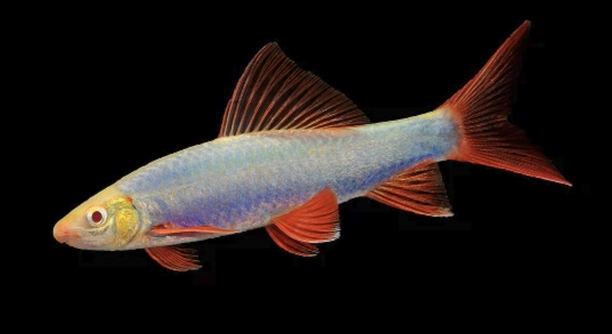
Rainbow sharks are popular aquarium fish known for their bright colors and active behavior. Many owners enjoy watching them swim, but sometimes these fish can show signs of anxiety or stress. Understanding how to reduce their anxiety is important for their well-being.
Rainbow sharks can become anxious due to factors like overcrowding, poor water quality, lack of hiding spaces, and sudden changes in their environment. Providing stable conditions, sufficient space, and places to hide helps minimize stress and promotes healthier behavior.
Improving your rainbow shark’s environment can make a big difference in its comfort and happiness. These simple changes are easy to apply and will benefit your fish in the long run.
Create Plenty of Hiding Spots
Rainbow sharks feel safer when they have places to hide. Adding decorations like caves, plants, and driftwood can give them cozy spots to retreat. These hiding spaces reduce stress by helping the fish feel protected from other tank mates and sudden movements outside the tank. When the tank is too open, rainbow sharks may swim nervously or hide too often. Providing different hiding options lets them choose where to feel comfortable.
It’s important to arrange hiding spots so the fish can easily access them without feeling trapped. Avoid overcrowding the tank with too many decorations, which can restrict swimming space. Keep a balance between open areas and sheltered spots.
In my experience, a few well-placed caves combined with live or artificial plants work well. Watch your rainbow shark’s behavior and adjust the setup if you notice signs of anxiety. Hiding places help the fish calm down and explore at their own pace.
Maintain Stable Water Conditions
Maintaining stable water conditions is critical for rainbow shark health. Sudden changes in temperature, pH, or water quality cause stress and can lead to anxiety. Regular testing and water changes help keep the environment safe. A good filtration system also removes waste and toxins effectively. It’s best to keep water parameters consistent and avoid drastic fluctuations.
Rainbow sharks thrive in temperatures between 74°F and 80°F and prefer slightly acidic to neutral pH levels. Monitoring these factors regularly prevents unnecessary stress. When the water is clean and stable, rainbow sharks feel more relaxed and active.
Besides testing water quality, cleaning the tank on a schedule is key. Partial water changes every week or two keep ammonia and nitrate levels low. Using a reliable filter reduces debris and keeps oxygen levels healthy. Avoid overcrowding the tank since this can quickly degrade water quality and stress your fish. By keeping water conditions steady, your rainbow shark will stay calmer and healthier over time.
Provide a Balanced Diet
Feeding your rainbow shark a balanced diet supports its overall health and reduces stress. High-quality pellets or flakes, supplemented with live or frozen foods, give necessary nutrients.
A diet with variety helps keep rainbow sharks energetic and less anxious. Include protein-rich foods like bloodworms or brine shrimp a few times per week. Vegetables such as blanched zucchini or spinach can also be offered occasionally. Avoid overfeeding, which can pollute the tank and harm water quality. Feeding small amounts two to three times daily is ideal.
Monitoring how your fish reacts to different foods helps you adjust their diet. If they show hesitation or stop eating, try offering alternative options or changing feeding times. A consistent feeding routine provides stability, which reduces anxiety and encourages natural behavior.
Keep Compatible Tank Mates
Rainbow sharks can become stressed when housed with aggressive or very active fish. Choosing compatible tank mates helps maintain a peaceful environment.
Suitable companions are calm, similar-sized fish that do not compete aggressively for space or food. Avoid keeping multiple rainbow sharks together in small tanks to prevent territorial disputes. Fish like danios, gouramis, or tetras often work well with rainbow sharks. Introducing new fish gradually and observing interactions helps avoid conflicts. Maintaining a balanced community reduces stress and allows rainbow sharks to swim freely without feeling threatened.
Avoid Overcrowding the Tank
Overcrowding increases stress for rainbow sharks. They need enough space to swim freely without constant competition for territory.
A general rule is to provide at least 20 gallons per rainbow shark. This space helps reduce anxiety and aggressive behavior.
Keep a Consistent Lighting Schedule
Maintaining a regular lighting schedule mimics natural day and night cycles. Consistency helps regulate your fish’s activity and rest periods.
Use a timer to keep lights on for about 10-12 hours daily. Avoid sudden or frequent changes in light, which can stress your rainbow shark.
Minimize Loud Noises and Vibrations
Loud sounds and vibrations outside the tank can cause anxiety in rainbow sharks. Keep the aquarium in a quiet, stable area.
Sudden noises may startle the fish and disrupt their normal behavior. Creating a calm environment supports their well-being.
FAQ
How can I tell if my rainbow shark is anxious?
An anxious rainbow shark may show signs like hiding more than usual, swimming erratically, or losing appetite. You might also notice it flashing its body against objects or staying at the bottom of the tank. These behaviors suggest stress or discomfort and should be addressed promptly to improve its environment.
What causes anxiety in rainbow sharks?
Common causes include overcrowded tanks, poor water quality, sudden changes in temperature or lighting, aggressive tank mates, and lack of hiding places. Any abrupt changes in the tank or environment can stress rainbow sharks, so maintaining stability is key to preventing anxiety.
How often should I change the water?
Perform partial water changes every one to two weeks, replacing about 20-30% of the tank water. Regular changes keep harmful chemicals like ammonia and nitrates low, which reduces stress for your fish. Avoid changing too much water at once, as this can shock your rainbow shark.
What foods are best for reducing anxiety?
A varied diet with high-quality pellets, flakes, and occasional live or frozen foods like bloodworms or brine shrimp is best. Vegetables such as blanched spinach or zucchini provide nutrients and fiber. Feeding small amounts two or three times daily helps maintain good health and comfort.
Can rainbow sharks live with other fish?
Yes, but it depends on the species. Peaceful, similarly sized fish such as danios, tetras, and gouramis usually get along well. Avoid aggressive or very active species that might stress the rainbow shark. Always monitor interactions when introducing new tank mates.
How much space does a rainbow shark need?
At least 20 gallons per fish is recommended. Rainbow sharks are territorial and need enough room to swim and claim their space. Overcrowding increases stress and aggressive behavior, so a spacious tank supports their mental and physical health.
Is lighting important for rainbow sharks?
Yes. A consistent light schedule helps regulate their natural activity cycles. Using a timer to provide 10-12 hours of light daily mimics natural day and night. Avoid sudden or extreme changes in lighting, which can cause stress and disrupt their behavior.
What are signs of poor water quality?
Cloudy water, strong odors, and visible algae growth often indicate poor water quality. Fish may gasp at the surface or show lethargy. Regular testing for ammonia, nitrites, and nitrates helps detect issues early so you can take action to protect your rainbow shark.
How can I reduce noise and vibration around the tank?
Place the aquarium in a quiet area away from heavy foot traffic, loud appliances, or speakers. Sudden loud noises and vibrations can startle rainbow sharks and increase anxiety. Creating a calm environment outside the tank helps keep your fish relaxed.
Are hiding spots necessary?
Yes, hiding spots give rainbow sharks a place to retreat when they feel threatened or stressed. Providing caves, plants, and driftwood creates a secure environment, reducing anxiety. A mix of open swimming areas and shelters is ideal for their comfort.
What should I do if my rainbow shark is still anxious after changes?
If anxiety persists, double-check water quality, tank size, and tank mates. Sometimes, stress is caused by health issues, so observe for illness signs. Consulting a fish expert or veterinarian may be necessary to identify and treat underlying problems.
Can overfeeding cause anxiety?
Indirectly, yes. Overfeeding pollutes the water with leftover food, raising toxin levels that stress fish. Feeding small portions and removing uneaten food helps maintain water quality and reduces anxiety in rainbow sharks.
How do temperature fluctuations affect rainbow sharks?
Sudden changes in temperature can shock rainbow sharks and cause stress. Maintaining a steady temperature between 74°F and 80°F is important. Use a reliable heater and thermometer to avoid harmful fluctuations and keep the fish comfortable.
Is it better to keep one or multiple rainbow sharks?
Rainbow sharks are territorial and may fight if kept in small tanks with others of their kind. If you want more than one, provide a large tank with plenty of space and hiding spots. Otherwise, a single rainbow shark is usually less stressed.
What are common signs of illness linked to anxiety?
Illness signs include faded color, clamped fins, slow movement, and unusual spots or growths. Stress weakens the immune system, making fish vulnerable to infections. Promptly addressing anxiety helps prevent these health problems.
How can I encourage natural behavior?
A calm environment, stable water, proper diet, and hiding spots help rainbow sharks feel secure enough to explore and be active. Avoid sudden disturbances and allow your fish to swim freely. Observing their behavior helps you understand their needs better.
Final Thoughts
Taking care of a rainbow shark means paying attention to its environment and daily needs. These fish can feel anxious if their tank is too crowded or if water conditions are not ideal. Making sure the tank has enough space, clean water, and hiding spots helps the fish feel safer. When the environment is steady and comfortable, rainbow sharks show healthier behavior and less stress.
Feeding your rainbow shark the right diet is important for its well-being. A balanced diet with pellets, flakes, and occasional live or frozen foods keeps them strong and active. Overfeeding or poor-quality food can lead to water problems and increase anxiety. Keeping a regular feeding schedule and watching how your fish responds to food helps avoid these issues. Healthy eating habits support their natural activity and reduce stress.
Finally, the company your rainbow shark keeps matters. Choosing peaceful, compatible fish to share the tank prevents conflicts that can cause anxiety. Keeping noise and sudden changes around the tank to a minimum also helps your fish stay calm. By providing a stable and peaceful home, you give your rainbow shark the best chance to thrive and be happy. Small changes in care and environment often make a big difference for these colorful fish.

Hello,
If you enjoy the content that we create, please consider saying a "Thank You!" by leaving a tip.
Every little bit helps us continue crafting quality advice that supports the health, happiness, and well-being of pets around the world, for pets of all shapes, sizes, and species.
We really appreciate the kindness and support that you show us!