
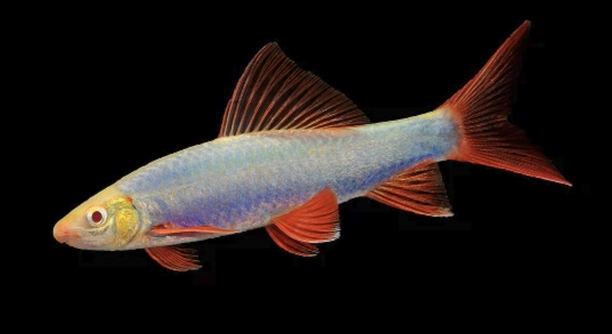
Rainbow sharks are popular freshwater fish known for their striking colors and active behavior. Many aquarium owners enjoy watching them swim and interact with other fish. However, their natural territorial instincts can sometimes cause problems in a community tank.
A rainbow shark becoming too dominant often displays aggressive behaviors like chasing, fin-nipping, and blocking other fish from food or hiding spots. This dominance can create stress and injury among tank mates, disrupting the aquarium’s balance and harmony.
Recognizing these signs early helps you maintain a peaceful environment for all your fish and protect their health. Managing dominance is key to a happy and thriving aquarium.
Increased Aggression Toward Other Fish
When a rainbow shark becomes too dominant, one of the first signs is a noticeable increase in aggression. You might see it chasing other fish around the tank, especially smaller or more passive species. It can also nip at the fins of tank mates, causing visible damage. This aggressive behavior can lead to stress for the other fish, which affects their health and may cause them to hide more often. The dominant rainbow shark may guard specific areas aggressively, like favorite hiding spots or feeding zones, not allowing others access. This behavior is natural for rainbow sharks but becomes problematic when it affects the tank’s harmony. If left unchecked, it can lead to injury or even death for weaker fish. Monitoring interactions closely helps prevent serious problems before they escalate. Adjusting tank setup or adding more hiding places can reduce tensions caused by territorial disputes.
Controlling aggression early is crucial to maintaining a peaceful aquarium environment. It protects all your fish and keeps stress levels low.
Understanding how dominance affects fish behavior helps you identify when to take action. Making changes early ensures the whole tank stays balanced and healthy.
Excessive Territory Guarding
Excessive territory guarding is another clear sign your rainbow shark is becoming too dominant. It may spend most of its time patrolling and defending a specific area, often chasing away any intruders. This territorial behavior restricts the movement of other fish and can create tension in the tank.
When a rainbow shark guards its territory too strictly, it limits the freedom of other fish, which may stop them from feeding or finding shelter. This can cause long-term stress and reduce their ability to thrive. To manage this, you might rearrange decorations or plants to create more separate spaces. Adding more hiding spots allows less dominant fish to escape and feel safe. Sometimes, increasing tank size or adjusting stocking levels helps reduce competition for space. Keeping a close eye on how your rainbow shark behaves daily will help you spot these issues early and make the necessary changes to keep the tank peaceful.
Dominating Food Resources
A dominant rainbow shark often controls the food supply, pushing other fish away during feeding time. This behavior can cause stress and malnutrition in tank mates if not addressed promptly.
When a rainbow shark aggressively guards food, it may eat more than its share, leaving less for other fish. This can lead to uneven growth rates and weakened immune systems in the less dominant species. Overfeeding the shark to satisfy its appetite might cause health problems like obesity. To prevent this, feeding in multiple spots can help distribute food evenly. Using sinking pellets or target feeding can ensure all fish get their share. Observing feeding habits regularly helps detect if one fish is monopolizing the food.
By creating a feeding routine that reduces competition, you protect your entire tank from nutritional imbalances and unnecessary stress caused by food guarding behavior.
Increased Hiding by Other Fish
When your rainbow shark becomes too dominant, other fish may hide more often to avoid conflicts. This behavior can indicate stress and fear within the tank community.
Excessive hiding reduces the natural activity and interaction of the tank’s inhabitants. Fish that spend too much time out of sight may suffer from poor health due to lack of exercise and limited access to food. It is important to provide plenty of hiding spots throughout the tank, such as plants, caves, or decorations. This not only offers refuge but also helps reduce the shark’s dominance by breaking up its line of sight. If hiding becomes extreme, consider adjusting the tank’s layout or reviewing the compatibility of your fish species to improve the overall environment.
Frequent Chasing Behavior
A rainbow shark that frequently chases other fish shows clear dominance. This chasing can cause stress and injury to the tank’s less aggressive inhabitants.
Chasing often targets smaller or weaker fish, disrupting their ability to rest and eat properly. It can lead to exhaustion or physical harm if the behavior continues unchecked.
Visible Physical Damage on Tank Mates
Aggressive dominance by a rainbow shark often results in visible damage, such as torn fins or missing scales, on other fish. This physical harm is a direct consequence of repeated attacks and stress.
Restlessness and Hyperactivity
Excessive dominance can make the rainbow shark restless and hyperactive. This behavior usually means it is constantly patrolling and defending its territory, leaving little time for rest.
Decreased Social Interaction
Dominance may reduce social interactions among other fish. Less dominant species often avoid the shark, leading to isolation and decreased group behaviors.
How can I tell if my rainbow shark is too dominant?
A rainbow shark that is too dominant will show aggressive behaviors such as chasing other fish, guarding territory aggressively, and controlling food sources. You may also notice other fish hiding more often or showing signs of stress. Physical damage like torn fins or missing scales on tank mates is another indicator. Watching your tank closely during feeding and general activity helps identify these behaviors early.
What causes a rainbow shark to become dominant?
Rainbow sharks are naturally territorial fish. Their dominance often arises when the tank is too small, lacks hiding spots, or has incompatible tank mates. Limited resources such as food and shelter can increase competition and trigger aggressive behavior. Stress or overcrowding also makes a rainbow shark more likely to defend its space strongly. Proper tank setup and stocking can reduce the likelihood of dominance.
How can I reduce my rainbow shark’s dominance?
Increasing tank size and adding plenty of hiding places helps reduce territorial disputes. Rearranging decorations periodically breaks up established territories. Feeding your fish in several spots and using sinking pellets ensures everyone gets food. Sometimes adding more compatible fish distracts the rainbow shark. If aggressive behavior continues, consider separating the fish or upgrading to a larger aquarium.
Is it normal for rainbow sharks to chase other fish?
Chasing is a natural behavior for rainbow sharks, especially in smaller or crowded tanks. However, if chasing is constant or causes injury, it becomes a problem. It’s important to distinguish normal territorial behavior from harmful aggression. Adjusting the environment can help balance this natural instinct with the wellbeing of all tank inhabitants.
Can dominance affect my rainbow shark’s health?
Yes, a highly dominant rainbow shark may become restless and stressed from constantly defending its territory. Overeating when guarding food can cause obesity, while continuous aggression can lead to injury. Stress also weakens their immune system, making them vulnerable to illness. Providing a suitable environment helps maintain their health and behavior balance.
What tank size is best to prevent dominance issues?
A tank of at least 30 gallons is recommended for a single rainbow shark to reduce territorial aggression. Larger tanks provide enough space for fish to establish their own areas without constant conflict. Overcrowding increases stress and competition, so it’s important to consider tank size based on the number and types of fish you keep.
Are there specific tank mates that work better with rainbow sharks?
Choosing peaceful and fast-swimming fish can reduce aggression problems. Avoid slow, shy, or bottom-dwelling fish that may be targets for bullying. Good tank mates include barbs, danios, and larger tetras. Always research compatibility before adding new fish to ensure the rainbow shark’s behavior doesn’t negatively impact others.
When should I consider separating my rainbow shark?
Separation becomes necessary if aggressive behavior causes serious injury, constant stress, or loss of appetite in other fish. If environmental changes don’t improve the situation, moving the rainbow shark to its own tank may be best. This prevents further harm and allows both the shark and tank mates to thrive without conflict.
Can diet changes help manage dominance?
Feeding your rainbow shark a balanced diet and distributing food evenly can help reduce competition. Offering high-quality pellets along with occasional live or frozen foods satisfies hunger and reduces food guarding. Avoid overfeeding to prevent health problems and aggressive behavior related to resource control.
How often should I monitor my tank for dominance issues?
Regular daily observation during feeding and activity times is ideal. Watch for signs like chasing, hiding, or injuries. Early detection allows for quick action before problems escalate. Keeping a consistent routine and making small environmental adjustments helps maintain a peaceful tank atmosphere.
Managing a dominant rainbow shark can be challenging, but it is important for maintaining a healthy and peaceful aquarium. These fish naturally have territorial instincts, so some level of dominance is expected. However, when their behavior starts to cause stress or harm to other tank mates, it becomes necessary to take action. Paying attention to signs such as chasing, hiding, and uneven food distribution can help you identify when your rainbow shark is becoming too dominant. Addressing these issues early improves the wellbeing of all your fish.
One of the best ways to manage dominance is by creating a suitable environment that meets the needs of all your tank inhabitants. Providing enough space is essential; a larger tank reduces competition for territory and resources. Adding plenty of hiding spots using plants, rocks, or decorations gives less dominant fish places to escape and feel safe. Rearranging the tank layout occasionally can help disrupt established territories and lower aggression. Feeding your fish in multiple locations and offering a balanced diet also helps reduce food guarding and tension during mealtime.
If aggressive behavior continues despite these changes, you might need to consider more serious steps. Sometimes separating the rainbow shark or choosing different tank mates is necessary to protect all fish. Understanding your rainbow shark’s natural behavior and making thoughtful adjustments can go a long way in preventing dominance issues. Keeping a calm and stable environment benefits both your rainbow shark and the other fish, promoting a peaceful and thriving aquarium for everyone involved.

Hello,
If you enjoy the content that we create, please consider saying a "Thank You!" by leaving a tip.
Every little bit helps us continue crafting quality advice that supports the health, happiness, and well-being of pets around the world, for pets of all shapes, sizes, and species.
We really appreciate the kindness and support that you show us!