
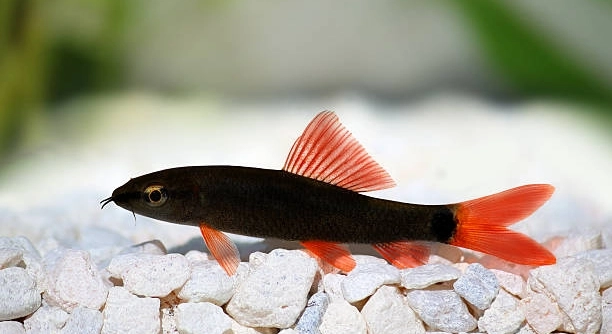
Rainbow sharks are popular freshwater fish known for their striking colors and active nature. Keeping them healthy means paying close attention to their environment. One important factor is making sure they get enough oxygen in their tank to thrive.
A rainbow shark’s oxygen needs can be assessed through various signs including its breathing rate, activity level, and overall appearance. Observing these indicators helps determine whether the fish is receiving adequate oxygen for proper physiological function and well-being.
Recognizing these signs early helps maintain a healthy tank and prevents stress or illness in your rainbow shark. This guide will provide clear ways to check your fish’s oxygen levels effectively.
Watching Your Rainbow Shark’s Breathing
Rainbow sharks breathe by moving water over their gills, so their breathing rate can tell you a lot about their oxygen levels. Normally, their gill movements are smooth and steady. If you notice your fish breathing rapidly or gasping at the surface, it might be struggling for oxygen. Sometimes, increased breathing is due to stress or poor water quality, but low oxygen is often the cause. Watching how your rainbow shark breathes daily helps you catch problems early and keep the tank healthy.
Rapid breathing or gulping at the surface usually signals low oxygen in the water. This behavior needs attention to avoid harm.
To ensure good oxygen levels, keep the tank water clean and well-aerated. Regular water changes and a properly working filter will help maintain oxygen flow. Adding air stones or adjusting water flow can also improve oxygen circulation, making your rainbow shark more comfortable and less likely to show signs of distress.
Activity Levels and Behavior
A rainbow shark that is getting enough oxygen will be active and curious, often swimming around the tank with ease. When oxygen is low, the fish may become sluggish, hide more, or stay near the surface where oxygen is higher. Changes in usual behavior should not be ignored as they are early warnings of tank problems. It is important to monitor these activity shifts regularly.
Low oxygen levels cause lethargy and a change in normal behavior, affecting your fish’s health.
Behavior changes related to oxygen deprivation can also include reduced appetite and less interaction with tank mates. Rainbow sharks rely on a steady oxygen supply to fuel their energy needs. When this supply is insufficient, their metabolism slows, causing them to rest more and explore less. Keeping a stable environment with good oxygen levels ensures your fish remains lively and healthy. Simple steps like maintaining proper tank size, avoiding overcrowding, and using an air pump can significantly improve oxygen availability and your fish’s overall behavior.
Color Changes and Physical Appearance
When your rainbow shark gets enough oxygen, its colors stay vibrant and bright. Dull or faded colors can indicate stress caused by low oxygen levels or poor water quality. Checking your fish’s appearance regularly helps catch problems early before they worsen.
Low oxygen affects the fish’s ability to maintain its color and health. When oxygen is scarce, rainbow sharks may lose their rich reds and blacks, appearing pale or washed out. This is a sign that their body is under stress and struggling to function properly.
In addition to fading colors, look for other physical signs like clamped fins or lethargy. These symptoms often appear together when oxygen levels drop. Keeping the tank clean, well-filtered, and aerated helps maintain your fish’s vibrant look and overall well-being.
Surface Gasping Behavior
Rainbow sharks sometimes swim near the water’s surface, but frequent gasping at the top is a warning sign. This behavior often means the tank’s oxygen is low or there is poor water circulation. It’s important to address this quickly.
Surface gasping occurs because the water near the surface holds more oxygen. When your rainbow shark spends a lot of time there, it’s trying to breathe easier. This often happens if the tank is overcrowded, the filter is not working well, or water temperature is too high. Raising oxygen levels by improving water movement and aeration will reduce this behavior and make your fish more comfortable.
Tank Cleanliness and Water Quality
Poor water quality can lower oxygen levels and harm your rainbow shark. Regular cleaning and water changes keep oxygen high and fish healthy.
Removing waste and uneaten food prevents oxygen depletion and keeps the environment stable.
Proper Tank Size and Stocking
Overcrowding in a tank reduces available oxygen for each fish. Providing enough space helps maintain good oxygen levels and reduces stress. A properly sized tank supports your rainbow shark’s health by allowing better water flow and oxygen distribution, which keeps your fish active and comfortable.
Use of Aeration Tools
Air stones and pumps increase oxygen in the tank by circulating water and adding bubbles. This helps prevent oxygen shortages and supports healthy fish behavior.
Using these tools creates a better living space for your rainbow shark and improves its overall well-being.
FAQ
How can I tell if my rainbow shark is stressed from low oxygen?
Signs of stress from low oxygen include rapid breathing, gasping at the water surface, dull colors, and reduced activity. Your fish may also hide more or show clamped fins. Watching these changes closely helps identify oxygen problems early so you can act quickly to improve tank conditions.
Can low oxygen cause diseases in my rainbow shark?
Yes, low oxygen weakens your fish’s immune system, making it more vulnerable to infections and diseases. Poor oxygen levels can lead to stress, which lowers resistance to common illnesses like fin rot or parasites. Maintaining proper oxygen levels is key to keeping your rainbow shark healthy and disease-free.
What is the ideal oxygen level for a rainbow shark tank?
Rainbow sharks thrive in well-oxygenated water with dissolved oxygen levels above 5 mg/L. Levels below this can cause stress and health issues. Using a dissolved oxygen meter or test kit can help you monitor and maintain proper oxygen levels in your tank.
How often should I check oxygen levels in my tank?
Checking oxygen levels once a week is a good practice, especially in tanks with multiple fish or higher temperatures. Frequent checks help catch drops early. If you notice signs of low oxygen in your rainbow shark, test more often and adjust aeration or water changes accordingly.
Will adding live plants help with oxygen levels?
Yes, live plants produce oxygen during photosynthesis, which can improve tank oxygen levels during the day. However, at night they consume oxygen, so plants alone may not be enough. Combining plants with good aeration and filtration is the best approach.
Is tank temperature related to oxygen availability?
Higher water temperatures reduce oxygen solubility, meaning warm water holds less oxygen. Keeping the tank at a stable, moderate temperature helps maintain oxygen levels and supports your rainbow shark’s health.
Can too many fish affect oxygen levels?
Overcrowding increases oxygen demand and waste production, which lowers oxygen availability. A properly stocked tank with enough space prevents oxygen shortages and reduces stress for all fish.
What are the best aeration methods for a rainbow shark tank?
Using air stones, air pumps, and good filtration helps increase oxygen by circulating water and creating surface movement. These methods improve gas exchange and keep oxygen levels stable for your fish.
How do water changes affect oxygen levels?
Regular water changes remove waste and replenish oxygen-rich water. They are essential for maintaining healthy oxygen levels, especially in tanks with many fish or low aeration.
Can I use a bubbler instead of a filter?
A bubbler adds oxygen but does not filter water. Filters remove waste and help maintain water quality, which indirectly supports oxygen levels. Using both is ideal for a healthy rainbow shark tank.
How quickly do oxygen levels drop in a tank without aeration?
Oxygen levels can drop within hours in a closed tank without aeration or water movement, especially if fish are active or the tank is crowded. This can quickly lead to stress and health problems for your rainbow shark.
Are there any signs that indicate oxygen is sufficient?
Active swimming, bright colors, normal breathing rate, and healthy appetite indicate good oxygen levels. Your fish will appear lively and interact with their environment comfortably.
Can I use oxygen tablets or supplements?
Oxygen tablets are usually not necessary if your tank has proper aeration and maintenance. They can provide short-term relief but do not replace good tank care.
What should I do if I notice my rainbow shark gasping for air?
Increase aeration immediately by adding an air stone or adjusting your filter. Perform a partial water change to improve water quality. Monitor your fish closely and check oxygen levels to prevent further problems.
Is it normal for rainbow sharks to sometimes come to the surface?
Occasional visits to the surface are normal for exploring or feeding. However, frequent gasping or staying near the surface signals low oxygen and needs attention.
How does water flow affect oxygen distribution?
Good water flow promotes gas exchange at the surface and moves oxygen-rich water throughout the tank. Stagnant water can cause oxygen pockets and leave areas low in oxygen, stressing your fish.
Can I use a powerhead to increase oxygen?
Yes, a powerhead increases water movement and surface agitation, which boosts oxygen exchange. It’s a good option in larger tanks to ensure even oxygen distribution.
Does adding salt help with oxygen absorption?
Adding small amounts of aquarium salt can reduce stress but does not increase oxygen absorption. Proper aeration and filtration remain the best ways to maintain oxygen levels.
How important is surface agitation for oxygen levels?
Surface agitation allows oxygen to enter the water and carbon dioxide to escape. Without it, oxygen levels drop quickly. Ensure your filter or aeration device creates some surface movement.
What role does tank lid or cover play in oxygen levels?
A tightly sealed lid can reduce gas exchange, lowering oxygen availability. Leaving some space for air exchange or using a mesh cover helps maintain healthy oxygen levels.
Are certain tank decorations better for oxygen flow?
Avoid overcrowding the tank with decorations that block water flow. Open layouts with plants and hiding spots that do not obstruct circulation help maintain good oxygen distribution for your rainbow shark.
Keeping your rainbow shark healthy means paying close attention to its oxygen needs. Oxygen is vital for all fish, and rainbow sharks are no different. When their tank has enough oxygen, they swim actively, show bright colors, and behave normally. Watching for signs like breathing rate, activity level, color changes, and surface gasping can help you know if your fish is comfortable. Taking these steps early helps prevent stress and health problems.
Maintaining proper oxygen levels requires regular tank care. This includes cleaning the tank, performing water changes, and using equipment like filters and air pumps to keep water moving and oxygen-rich. Overcrowding and high temperatures can lower oxygen, so it is important to keep your tank balanced. Adding live plants can support oxygen during the day, but they do not replace good aeration. It’s also helpful to test oxygen levels regularly to make sure conditions stay ideal for your fish.
Simple adjustments can make a big difference for your rainbow shark’s well-being. Improving water flow, keeping the tank clean, and monitoring your fish’s behavior are easy ways to protect them. When you notice any changes in breathing or activity, act quickly to increase oxygen. Healthy fish live longer and are more enjoyable to care for. Keeping oxygen levels steady is a key part of creating a safe, comfortable home for your rainbow shark.

Hello,
If you enjoy the content that we create, please consider saying a "Thank You!" by leaving a tip.
Every little bit helps us continue crafting quality advice that supports the health, happiness, and well-being of pets around the world, for pets of all shapes, sizes, and species.
We really appreciate the kindness and support that you show us!