
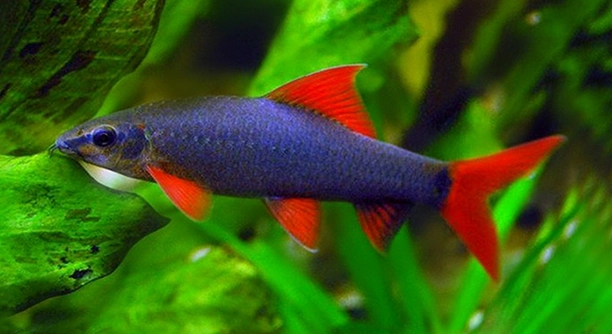
Keeping a Rainbow Shark healthy requires attention to its environment and daily care. These fish thrive best when their tank conditions meet specific needs for water quality and space. Proper care helps maintain their vibrant colors and active behavior.
Creating a healthy environment for your Rainbow Shark involves regular water changes, maintaining stable water parameters, providing sufficient tank size, offering a balanced diet, ensuring hiding spots, avoiding aggressive tank mates, and monitoring fish behavior closely. Each factor contributes to the fish’s overall well-being.
These tips will guide you in setting up a comfortable habitat that supports your Rainbow Shark’s health and happiness for years to come.
Maintain Stable Water Parameters
Keeping stable water parameters is essential for your Rainbow Shark’s health. Regularly test the water for pH, ammonia, nitrites, and nitrates. Rainbow Sharks prefer a pH between 6.5 and 7.5. Temperature should stay between 72°F and 79°F. Sudden changes in water quality stress the fish and can lead to illness. Using a reliable water conditioner helps remove harmful chemicals when adding new water. Consistent water temperature can be maintained with an aquarium heater and thermometer. Keeping these factors steady ensures your fish remains active and vibrant.
Monitoring water conditions frequently helps catch problems early. Test kits are affordable and easy to use at home. Adjusting the water based on test results keeps the tank safe.
A good filtration system plays a key role in maintaining water quality. Filters remove waste and toxins from the tank. Regular cleaning and maintenance of the filter prevent buildup that can harm your Rainbow Shark. Additionally, partial water changes of 20-25% weekly reduce harmful substances and keep the environment clean. Avoid overfeeding, as leftover food can pollute the water. Together, these steps provide a balanced habitat that supports your fish’s health.
Provide Sufficient Tank Size
Rainbow Sharks need ample space to swim and establish territory. A minimum of 30 gallons is recommended for one adult fish. Larger tanks allow for better water stability and reduce stress. Providing plenty of space also helps prevent aggressive behavior. Choose a tank with enough room for decorations and hiding spots to mimic a natural habitat. A cramped environment may lead to poor health and irritability. Giving your Rainbow Shark a comfortable home supports its well-being and longevity.
Offer a Balanced Diet
Rainbow Sharks require a varied diet to stay healthy. Provide high-quality sinking pellets as the main food source. Supplement with vegetables and occasional live or frozen foods.
A balanced diet helps maintain their vibrant colors and energy levels. Rainbow Sharks are omnivores and need both plant matter and protein. Vegetables like zucchini, cucumber, and peas can be blanched and offered regularly. Protein sources such as bloodworms or brine shrimp support growth and overall health. Feeding small amounts two to three times daily prevents overfeeding and water pollution. Avoid feeding only flakes or dry food, as this lacks necessary nutrients.
Careful feeding habits contribute to water quality by reducing leftover food. Uneaten food can quickly pollute the tank and stress your fish. Using varied foods also encourages natural foraging behaviors. This diversity keeps your Rainbow Shark engaged and satisfied.
Create Hiding Spots and Territory
Rainbow Sharks appreciate having places to hide and claim as their own. Provide decorations like rocks, driftwood, and plants to create secure areas. These spots reduce stress and aggression.
Having hiding places mimics their natural environment, helping your fish feel safe. They use these areas to rest and avoid conflict with tank mates. Ensure hiding spots are spaced out to prevent territorial disputes. Avoid overcrowding the tank with decorations to maintain swimming space. Balance is key—too few hiding spots can increase aggression, while too many may limit movement. Keeping the tank organized helps Rainbow Sharks establish their territory comfortably and reduces stress-related behaviors.
Avoid Aggressive Tank Mates
Choose peaceful fish to share the tank with your Rainbow Shark. Avoid species known for aggression or fin-nipping.
Aggressive tank mates can stress your Rainbow Shark, leading to health problems. Keep similar-sized fish with calm temperaments to ensure a peaceful environment.
Perform Regular Water Changes
Consistent water changes are necessary to maintain clean and safe water. Change 20-25% of the water weekly to reduce toxins and waste buildup.
Water changes keep the environment stable, preventing harmful chemical spikes. Use a siphon to clean the substrate and avoid disturbing the fish too much.
Monitor Fish Behavior
Watch for signs of illness or stress such as lethargy, loss of appetite, or unusual swimming patterns. Early detection helps prevent serious problems.
FAQ
How often should I feed my Rainbow Shark?
Feeding your Rainbow Shark two to three times a day in small amounts is ideal. Overfeeding can pollute the tank and cause health issues. Offer a variety of foods like sinking pellets, vegetables, and occasional live or frozen treats to keep their diet balanced.
What is the best tank size for one Rainbow Shark?
A minimum tank size of 30 gallons is recommended for one adult Rainbow Shark. Larger tanks help maintain stable water conditions and give enough space for swimming and territorial behavior.
Can Rainbow Sharks live with other fish?
Yes, but it’s important to select peaceful tank mates of similar size. Avoid aggressive or fin-nipping fish, as Rainbow Sharks can be territorial and stressed by constant harassment.
How do I know if my Rainbow Shark is healthy?
A healthy Rainbow Shark is active, has bright colors, and eats well. Watch for clear eyes, smooth scales, and normal swimming patterns. Lethargy, faded colors, or unusual behavior may indicate stress or illness.
What water parameters do Rainbow Sharks need?
Rainbow Sharks thrive in water with a pH between 6.5 and 7.5, temperature between 72°F and 79°F, and low ammonia and nitrite levels. Regular testing and stable conditions are crucial for their well-being.
How often should I do water changes?
Perform a partial water change of 20-25% weekly. This helps remove toxins and waste, keeps water quality high, and reduces the risk of illness.
Do Rainbow Sharks need hiding places?
Yes, hiding spots reduce stress and aggression. Use rocks, plants, or driftwood to create secure areas. Ensure there is enough open swimming space alongside these shelters.
What should I do if my Rainbow Shark shows signs of illness?
Isolate the fish if possible and test water parameters immediately. Poor water quality is a common cause of illness. Consult an aquatic vet or pet store specialist for proper treatment options.
Can Rainbow Sharks be kept in a community tank?
They can, but only with peaceful, non-aggressive fish that won’t compete for territory. Avoid keeping more than one Rainbow Shark in small tanks to prevent fights.
How do I prevent aggression in Rainbow Sharks?
Provide enough space, hiding places, and compatible tank mates. Avoid overcrowding and monitor fish behavior regularly. Address any signs of bullying early by rearranging tank décor or separating aggressive individuals.
Creating a healthy environment for your Rainbow Shark takes consistent care and attention. Maintaining stable water conditions, providing enough space, and offering a balanced diet are the foundation of good fishkeeping. Each step helps keep your Rainbow Shark active and colorful. Regular water testing and changes ensure the tank remains safe and comfortable. Adding hiding spots reduces stress and allows your fish to express natural behaviors. Paying attention to these basics prevents many common health problems and supports your fish’s well-being over time.
It is important to choose tank mates carefully to avoid aggression and stress. Rainbow Sharks can be territorial, so peaceful companions are the best choice. Overcrowding the tank or mixing incompatible species may lead to conflicts. Watching your fish closely for changes in behavior or appearance allows early detection of illness or stress. Prompt action can help your Rainbow Shark recover quickly. Using quality food and feeding in moderation also contributes to water quality and overall health. These efforts build a stable and pleasant environment for your fish.
Taking the time to understand your Rainbow Shark’s needs results in a more rewarding experience. Consistency and patience are key. Even small improvements in tank care can make a big difference in your fish’s health and happiness. While caring for a Rainbow Shark requires some effort, the vibrant colors and active swimming make it worthwhile. Following the recommended tips ensures your fish has the best possible conditions to thrive. This creates a balanced aquarium that you can enjoy watching every day.

Hello,
If you enjoy the content that we create, please consider saying a "Thank You!" by leaving a tip.
Every little bit helps us continue crafting quality advice that supports the health, happiness, and well-being of pets around the world, for pets of all shapes, sizes, and species.
We really appreciate the kindness and support that you show us!