
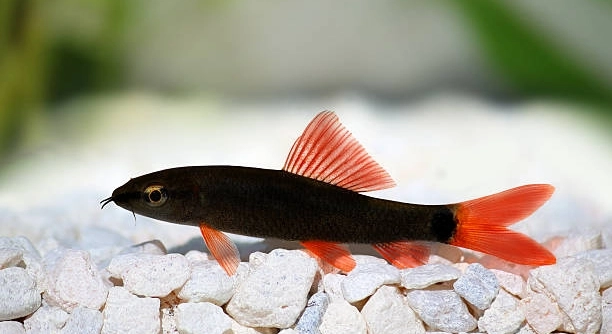
Are your rainbow sharks acting territorial and making life difficult for their tankmates? Aggression in community tanks can be frustrating and hard to manage, especially when it disrupts the peace in your aquarium.
The most effective way to prevent rainbow shark aggression is by creating a well-structured environment with adequate space, hiding spots, and carefully selected tankmates. Providing the right conditions helps reduce stress and territorial behavior in shared tanks.
Simple changes to your setup and routine can lead to a calmer, healthier tank for all your fish.
Give Your Rainbow Shark Enough Space
A rainbow shark needs room to swim freely and establish its own territory. If the tank is too small, it will feel confined and threatened, which often leads to aggression. A minimum of 55 gallons is recommended for one adult rainbow shark in a shared tank. The bigger the tank, the more comfortable and relaxed your fish will be. With enough space, your rainbow shark is less likely to feel the need to chase or bully other fish. A larger tank also makes it easier to arrange different zones, so each fish has its own area. This can go a long way in reducing tension. You might notice calmer behavior once space is no longer an issue.
When space feels tight, rainbow sharks can become territorial. Giving them more room makes it easier for other fish to avoid conflict and stay safe.
Adding a few extra gallons can completely change your tank’s dynamic. Rainbow sharks feel more at ease when they aren’t constantly defending their space. More swimming area also allows you to rearrange decorations and plants to reduce line-of-sight. This keeps your shark from fixating on one area or tankmate. A good layout makes a big difference. It not only improves the health of your fish but also makes the tank more peaceful and balanced.
Choose Tankmates Wisely
Some fish simply don’t mix well with rainbow sharks. Avoid slow-moving or long-finned species, as they can become targets.
Rainbow sharks do best with active, similarly-sized fish that can hold their own without being aggressive. Look for peaceful bottom dwellers or fast-swimming mid-level fish that don’t resemble rainbow sharks. Barbs, danios, and loaches are usually solid choices. Avoid other territorial bottom dwellers like redtail sharks or fish that are overly shy or prone to stress. Mixing the wrong species can quickly turn your tank into a stressful environment. It’s important to observe how your shark reacts to new additions. If there’s immediate chasing or aggressive posturing, it’s best to remove the new fish before injuries happen. Quarantine periods also help reduce stress and allow for safe introductions. Matching energy levels and space use helps prevent unnecessary tension. Keeping your tank’s energy balanced is key to reducing unwanted behavior.
Add Hiding Spots and Visual Barriers
Hiding places help reduce aggression by giving fish a way to escape when tensions rise. Visual barriers break up the line of sight, so rainbow sharks feel less need to patrol the whole tank.
Use rocks, driftwood, caves, or decorations to block direct views across the tank. This helps rainbow sharks stay focused on smaller areas and not chase everything that moves. Plants—real or artificial—can also provide cover and comfort for tankmates. Arrange them in clusters rather than just around the edges. Try creating layers in your aquascape so fish at different levels have their own space. It also makes the tank feel fuller and more natural. Even small changes to the layout can lead to noticeable shifts in behavior. Rainbow sharks tend to relax when they can’t constantly see others entering “their” space.
When a fish has nowhere to retreat, stress builds quickly. This can lead to fin nipping, hiding, and even health issues over time. Giving your fish a place to disappear for a while keeps the tank peaceful. It also helps mimic their natural habitat, which reduces stress for everyone. Don’t overcrowd the tank, though—too many decorations can limit swimming space. Balance is key: enough coverage without turning the tank into an obstacle course.
Maintain Stable Water Conditions
Fluctuating water conditions can raise stress levels and lead to more aggressive behavior in rainbow sharks. Clean, stable water helps keep your fish healthy and calm in a shared tank.
Check your water parameters regularly to make sure everything is within the right range. Keep ammonia and nitrite at zero, and aim for nitrate levels below 40 ppm. The ideal pH for rainbow sharks is between 6.5 and 7.5. Use a reliable water test kit and make small adjustments as needed. Sudden changes can upset the balance and trigger aggressive outbursts. Weekly water changes (about 20–30%) help maintain consistency. Make sure your filter is properly sized for your tank and is running well. If needed, consider adding a sponge filter to improve biological filtration. Good water quality supports your fish’s immune system and lowers the chance of illness or territorial stress.
Feed Properly and Consistently
Uneven feeding can trigger aggression, especially if one fish feels the need to compete for food. Feed all your fish at the same time and in different areas of the tank.
Use sinking pellets for bottom dwellers and floating flakes or pellets for mid-level swimmers. This keeps feeding calm and fair.
Avoid Housing Multiple Rainbow Sharks
Keeping more than one rainbow shark in the same tank usually leads to constant fights. These fish are naturally territorial and see others of their kind as competition. Unless your tank is extremely large and filled with barriers, it’s best to stick with just one. Even in big tanks, conflict can still happen. Rainbow sharks often chase and harass similar-looking fish or those with overlapping habits. It’s not just about space—it’s about control. Reducing that need for control helps keep aggression low. Keeping just one rainbow shark simplifies things and makes your community tank more stable and peaceful overall.
Monitor Behavior Regularly
Watching how your fish interact helps catch problems early. A stressed or bullied fish might hide more, eat less, or show torn fins.
FAQ
Can rainbow sharks live with other rainbow sharks?
It’s not recommended. Rainbow sharks are highly territorial and often aggressive toward their own kind. Even in very large tanks, they will usually fight over space. This can lead to injuries or constant stress. Some hobbyists try keeping them together in massive tanks with many hiding spots, but the risk of fighting is still high. Most of the time, one shark will dominate, while the other hides or becomes ill due to stress. It’s much safer and easier to keep only one rainbow shark in a community tank.
Why is my rainbow shark chasing other fish?
Chasing is usually a sign of territorial behavior. Rainbow sharks often claim a section of the tank as their own and will chase any fish that gets too close. This is more common in smaller tanks or tanks without hiding spots. If the behavior becomes constant or aggressive, it can stress other fish and lead to illness or injury. Make sure your tank has plenty of space, decorations, and visual barriers to help reduce these encounters. Also, avoid keeping slow or long-finned fish that might draw unwanted attention.
What fish can live with a rainbow shark?
Choose tankmates that are fast, confident, and not easily bullied. Good options include barbs, danios, rasboras, and rainbowfish. These fish are active and can avoid conflict more easily. Avoid species that look similar to rainbow sharks or fish that dwell at the bottom, like redtail sharks or certain types of loaches. Fish with long fins or slow movement, such as angelfish or guppies, may become targets. Always watch for signs of stress or aggression after adding new fish. If problems arise, be ready to rehome or rearrange your tank setup.
Is it normal for a rainbow shark to hide a lot?
It can be normal, especially when they’re new to the tank or still adjusting to their environment. Hiding is also common if they feel threatened by tankmates or if the tank lacks enough space or cover. However, if your shark was once active and is now hiding more than usual, check for changes in water quality, lighting, or tank dynamics. Stress or illness could be the cause. Offering more hiding spots and improving water quality can help your shark feel safe enough to come out more often.
How big do rainbow sharks get?
Rainbow sharks usually grow to about 6 inches in length when fully mature. Some may get slightly larger, depending on diet and tank conditions. Because of their size and active nature, they need plenty of swimming space. A minimum tank size of 55 gallons is best for adult rainbow sharks, especially in a shared tank. Smaller tanks can stunt growth and increase aggression. Make sure your tank has enough length, not just volume, since these fish like to swim horizontally.
Can rainbow sharks be kept in planted tanks?
Yes, rainbow sharks can do well in planted tanks, especially if the plants are hardy and securely rooted. Plants like Java fern, Anubias, and Amazon sword are great choices. Planted tanks help reduce stress by offering shelter and breaking up sightlines. Just be aware that rainbow sharks may occasionally dig, so avoid delicate plants or place them where digging is less likely. Healthy plant growth can also improve water quality, which benefits all fish in the tank. A planted setup often leads to a more peaceful environment.
Final Thoughts
Keeping a rainbow shark in a community tank can be challenging, but with the right steps, it becomes much easier. These fish are naturally territorial and don’t always do well with others if the environment isn’t set up carefully. Giving them enough space is one of the most important things you can do. A larger tank allows for better movement, more hiding places, and less stress. When your rainbow shark isn’t forced to defend every inch of space, it becomes calmer. It also helps if you arrange the tank so that different fish have separate areas. This makes the tank feel less crowded and more balanced.
Tankmates also play a big role in how peaceful the tank stays. Choosing fast, confident fish that won’t invade the rainbow shark’s territory too often can help prevent problems. Avoid slow swimmers or fish with long fins, as they may get chased or nipped. Feeding time matters too. Make sure food reaches all fish, and try feeding in more than one area to stop competition. Watch how your fish behave, especially after adding new ones. If your rainbow shark starts acting more aggressive, that could be a sign that something needs to change. Sometimes it’s the layout, the type of fish, or the water conditions.
Keeping the tank clean and the water stable helps more than many people realize. Poor water quality often leads to stress, and stressed fish act out more. Weekly water changes, a good filter, and regular testing can keep things steady. Adding plants, rocks, or driftwood also helps by creating cover and breaking up sightlines. This reduces chasing and makes fish feel safer. It doesn’t take expensive gear—just thoughtful setup and care. Taking a few small steps makes a big difference over time. When everything is in balance, your rainbow shark can live peacefully with others and even become one of the highlights of your tank. Watching all your fish swim calmly together is a great reward for the effort you put in.

Hello,
If you enjoy the content that we create, please consider saying a "Thank You!" by leaving a tip.
Every little bit helps us continue crafting quality advice that supports the health, happiness, and well-being of pets around the world, for pets of all shapes, sizes, and species.
We really appreciate the kindness and support that you show us!