
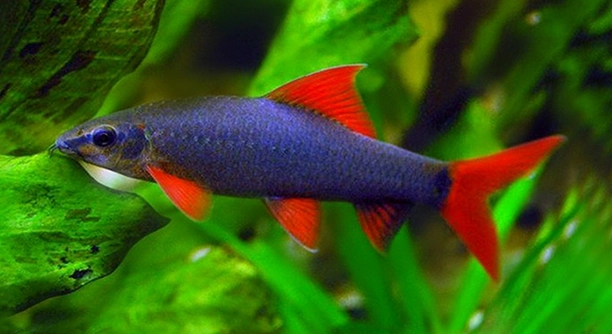
Is your rainbow shark swimming around restlessly or hiding more than usual in its tank? These behaviors can signal discomfort or stress in their environment, which many fish owners accidentally overlook in their care routines.
The best way to make a rainbow shark more comfortable is by setting up a tank that mirrors its natural habitat—this includes proper space, hiding spots, low aggression tank mates, and consistent water quality.
Small changes in your tank setup can make a big difference in your rainbow shark’s behavior, health, and overall quality of life.
Choose the Right Tank Size
Rainbow sharks are semi-aggressive and need enough room to claim their territory. A tank that’s too small can lead to stress and aggression toward other fish. The minimum tank size should be 55 gallons, especially if you’re housing them with other species. A longer tank layout is better than a tall one, as it gives the shark more horizontal space to swim and patrol. Smaller tanks often result in territorial fights, pacing, or hiding. When the tank is spacious, your rainbow shark feels secure and more at ease in its surroundings, leading to healthier behavior. Space also helps with better water quality, which plays a role in reducing stress. Overcrowded tanks can quickly turn into unhealthy environments. If you’re unsure about size, it’s better to go bigger. This not only helps your rainbow shark but also supports any other fish sharing the space. Proper space leads to better swimming patterns and reduced anxiety.
Tanks under 30 gallons will often lead to aggressive behavior, and your shark might chase or nip other fish. The size of the tank directly affects their comfort level and overall behavior.
Make sure to consider future growth, tank mates, and water flow when choosing your tank. Size is one of the easiest ways to prevent stress.
Add Hiding Spots and Decorations
Rainbow sharks need safe areas to retreat and rest. Without hiding spots, they may become anxious or territorial. Use driftwood, rocks, or PVC pipes to create caves and shaded areas within the tank.
Providing multiple hiding places helps your rainbow shark feel more in control of its surroundings. When they can retreat, they are less likely to become aggressive or stressed. Spread these decorations around the tank so your shark has a few zones to explore and rest in. This layout also helps if you plan to keep other fish in the same tank, as it breaks up the space and gives everyone their own areas. Avoid using sharp decorations that could injure your fish. Stick to smooth, stable objects that won’t shift easily. If you use live plants, go for hardy varieties that won’t be uprooted easily, like Java fern or Anubias. A well-planned tank setup can improve behavior and promote better long-term health.
Maintain Clean and Stable Water Conditions
Poor water quality can cause stress, illness, and aggression in rainbow sharks. Use a filter strong enough for the tank size and perform weekly water changes of about 25%. Keep the pH between 6.5 and 7.5 and the temperature around 75–81°F.
Always test your water regularly with a reliable kit. Ammonia and nitrite should be at 0 ppm, while nitrate should stay below 20 ppm. Sudden changes in temperature or pH can cause stress or health problems, so avoid dramatic adjustments. Condition tap water before adding it to the tank, and clean the filter as needed—never with untreated tap water. A stable tank allows your shark to feel secure and helps prevent common illnesses caused by poor conditions. If your fish is hiding often or showing unusual behavior, water issues may be the cause. Keep an eye out for cloudiness, strong smells, or algae buildup.
Try to develop a simple routine for maintenance. Clean the substrate gently using a gravel vacuum to remove debris without stirring up too much waste. Avoid overfeeding, as uneaten food can quickly affect water quality. Use a thermometer and pH monitor you can easily read at a glance. Stability is more important than perfection—consistency helps your rainbow shark feel comfortable and thrive.
Choose Compatible Tank Mates
Rainbow sharks don’t do well with their own kind or other bottom dwellers. Pick mid- to top-level swimmers that aren’t overly aggressive or too small to be seen as food. Avoid slow fish with long fins that could be nipped.
Good companions include barbs, danios, rasboras, and some types of gouramis. These fish tend to stay in different areas of the tank and are fast enough to avoid trouble. Always introduce new fish carefully and watch for signs of stress or aggression. A rainbow shark may chase newcomers at first, but if the tank is large and well-decorated, most conflicts settle down. Avoid housing them with fish that look similar or share the same tank level. When in doubt, go with species known for being active, peaceful, and slightly larger. A busy tank with well-matched species keeps your rainbow shark distracted and less likely to become territorial.
Feed a Balanced and Consistent Diet
Feed your rainbow shark once or twice a day with high-quality sinking pellets or wafers. Add variety with occasional treats like bloodworms, brine shrimp, or blanched vegetables. Avoid overfeeding, as leftover food can harm water quality and affect your shark’s health.
Stick to a consistent feeding schedule. Uneaten food should be removed after a few minutes to prevent build-up. Offering different types of food can support digestion and keep your rainbow shark active. A balanced diet also helps with color, energy levels, and overall behavior inside the tank.
Keep the Lighting Gentle and Routine
Use low to moderate lighting to avoid stressing your rainbow shark. Bright lights can cause them to hide more often or act aggressively. Stick to a set schedule—around 8 to 10 hours of light per day—using a timer if needed.
Limit Loud Noises and Sudden Vibrations
Keep the tank in a quiet area, away from loud TVs or speakers. Sudden noises or tapping on the glass can startle your rainbow shark and lead to erratic swimming or hiding.
FAQ
How often should I change the water in my rainbow shark’s tank?
Water changes are crucial for maintaining a healthy environment. Ideally, change about 20-25% of the water weekly. This helps keep ammonia, nitrite, and nitrate levels low. If your tank is larger and well-filtered, you might stretch this to every two weeks, but regular monitoring is key. Avoid changing too much water at once, as sudden shifts can stress your fish. Always treat tap water with a conditioner before adding it to the tank.
Can rainbow sharks live with other rainbow sharks?
Rainbow sharks are territorial and usually don’t do well with others of the same species unless the tank is very large, typically over 100 gallons. Even then, aggressive behavior can occur. They prefer to have their own territory. If you want multiple rainbow sharks, provide plenty of hiding spots and space to reduce conflicts.
What is the best diet for a rainbow shark?
A balanced diet is vital. Use sinking pellets or wafers formulated for omnivores as the main food. Supplement with live or frozen treats like bloodworms, brine shrimp, and daphnia. Vegetables like blanched zucchini or spinach can be offered occasionally. Avoid overfeeding to prevent water quality issues.
Why is my rainbow shark hiding all the time?
Hiding can be a sign of stress or illness, but it can also be normal behavior. If your tank lacks hiding spots, adding decorations or caves may help. Check water quality and parameters, as poor conditions often cause hiding. If the shark is lethargic or not eating, illness might be the reason, and it may need treatment.
How aggressive are rainbow sharks?
Rainbow sharks are semi-aggressive. They defend their territory and can nip fins of slower or long-finned tank mates. However, aggression can be managed with a proper tank size, hiding spots, and compatible tank mates. Avoid overcrowding and monitor interactions regularly.
What water temperature is ideal for rainbow sharks?
Rainbow sharks thrive in temperatures between 75°F and 81°F (24°C to 27°C). Sudden temperature changes should be avoided, as they cause stress and health issues. Using a reliable aquarium heater and thermometer helps maintain stable conditions.
Do rainbow sharks need a special substrate?
They prefer a soft substrate like sand or smooth gravel to prevent injury when foraging at the bottom. Sharp or rough substrates can damage their sensitive barbels and fins. A darker substrate can also help them feel more secure and show off their colors better.
How big do rainbow sharks get?
Rainbow sharks can grow up to 6 inches (15 cm) in length. This size makes tank size even more important to provide enough swimming space and reduce territorial disputes. Smaller tanks will limit their growth and increase stress.
Can rainbow sharks live in a community tank?
Yes, if carefully planned. Choose peaceful, fast-swimming fish that occupy different areas of the tank. Avoid slow, long-finned, or very small fish. Provide enough space and hiding spots. Watch for aggression, especially during feeding or when establishing territory.
How do I know if my rainbow shark is healthy?
A healthy rainbow shark is active, has bright colors, clear eyes, and eats regularly. Watch for signs like clamped fins, faded color, gasping at the surface, or unusual swimming patterns. Maintaining good water quality and a balanced diet supports health. Regular observation helps catch problems early.
Final Thoughts
Caring for a rainbow shark means understanding its needs and environment clearly. These fish require space, clean water, and a stable tank setup to stay comfortable and healthy. A tank that is too small or overcrowded can cause stress and lead to aggressive behavior. By providing at least 55 gallons of space and maintaining steady water conditions, you help your rainbow shark feel secure. This is important because stress can lower their immune system and cause health issues. Simple things like using a proper filter, testing water regularly, and performing weekly water changes go a long way in keeping the tank balanced.
Besides water quality and tank size, decorations and hiding spots play a big role in making the tank comfortable. Rainbow sharks like places to hide and rest away from bright light or other fish. Using smooth rocks, driftwood, and hardy plants creates a more natural environment that helps reduce stress. These safe spaces can prevent conflicts with other fish and encourage natural behavior. It’s also good to pick tank mates carefully, avoiding other bottom dwellers or very small fish that might become targets. Choosing mid-level swimmers that are peaceful but fast will make the tank less tense and more balanced for everyone.
Finally, feeding your rainbow shark a varied but balanced diet supports its health and colors. Sinking pellets designed for omnivores should form the main part of their meals, with occasional treats like frozen or live foods and vegetables. Avoid overfeeding to keep the water clean and prevent health problems. Regular monitoring of your fish’s behavior and appearance will help you spot early signs of illness or discomfort. With the right tank setup, proper diet, and consistent care, your rainbow shark can thrive and show its full beauty. Keeping these points in mind will help you create a happy and healthy home for your fish.

Hello,
If you enjoy the content that we create, please consider saying a "Thank You!" by leaving a tip.
Every little bit helps us continue crafting quality advice that supports the health, happiness, and well-being of pets around the world, for pets of all shapes, sizes, and species.
We really appreciate the kindness and support that you show us!