
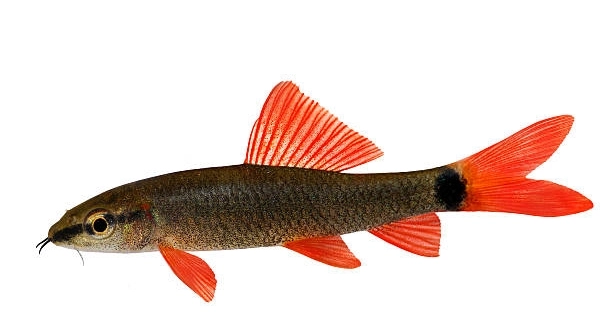
Rainbow sharks are popular freshwater fish known for their striking colors and active behavior. When introducing them to a new tank, changes in water and environment can affect their comfort and health. Proper adjustment is important for their well-being.
Helping a rainbow shark adjust to new tank conditions involves gradually acclimating it to water parameters, maintaining stable temperature, providing adequate hiding spaces, ensuring proper diet, and monitoring behavior for signs of stress. These steps promote a smooth transition and reduce health risks.
Understanding how to support your rainbow shark through changes will improve its adaptation and overall happiness in its new home. The following tips provide practical guidance to make this process easier.
Gradual Acclimation to Water Parameters
When moving a rainbow shark to a new tank, sudden changes in water conditions can cause stress. It is important to adjust the fish slowly to the new environment. Begin by floating the sealed bag containing the fish on the tank’s surface for about 15 to 20 minutes. This helps equalize the temperature. Next, gradually add small amounts of tank water to the bag every 10 minutes over an hour. This allows the fish to slowly get used to the new water chemistry, such as pH and hardness. Avoid pouring the bag water directly into the tank to prevent introducing contaminants. This careful acclimation reduces shock and helps the fish settle comfortably. Consistency in water quality during this phase is key to a smooth transition, minimizing risks of illness or erratic behavior.
Careful acclimation reduces stress and improves the fish’s ability to adapt. It sets a stable foundation for long-term health.
Regular monitoring of water parameters after acclimation is essential. Testing for ammonia, nitrite, nitrate, pH, and temperature ensures the tank remains safe. Changes in these can signal issues that might affect the rainbow shark’s adjustment.
Providing Proper Tank Environment
A comfortable environment supports the rainbow shark’s well-being in the new tank. These fish prefer a tank with plenty of hiding spots such as caves, plants, and decorations. This setup mimics their natural habitat and helps reduce stress by giving them secure places to retreat. Keep the tank size adequate, generally at least 30 gallons, as rainbow sharks need space to swim actively. Maintain a gentle water flow and stable temperature between 74°F and 80°F. Avoid placing bright lights directly over the tank, as this can cause discomfort. Clean the substrate regularly and perform partial water changes weekly to maintain good water quality. By creating a calm and secure environment, the fish will feel more at ease and display natural behaviors. This helps in preventing aggression and improves overall health. A well-maintained tank encourages the rainbow shark to thrive and adapt quickly.
Feeding and Nutrition
Rainbow sharks need a balanced diet to stay healthy in new tank conditions. Provide high-quality sinking pellets designed for omnivores, supplemented with live or frozen foods like bloodworms or brine shrimp. Avoid overfeeding to prevent water quality issues.
Proper nutrition supports energy levels and immunity, helping fish adapt. Offer small portions twice daily, adjusting amounts based on activity and appetite. Including fresh vegetables like zucchini or peas can enhance their diet. Monitoring eating habits reveals health and stress levels, allowing timely adjustments. Feeding variety encourages natural foraging behaviors and reduces boredom, promoting overall well-being.
Consistent feeding schedules help maintain water cleanliness by reducing leftover food. Uneaten food can decompose and cause harmful ammonia spikes, which affect fish health. Removing excess food promptly keeps the environment safe and supports successful acclimation.
Monitoring Behavior and Health
Observing your rainbow shark’s behavior provides early signs of adjustment or stress. Watch for changes in swimming patterns, color, appetite, and interaction with tank mates. Stress may cause hiding, lethargy, or aggressive actions.
Early detection of issues allows prompt responses like water tests or diet changes. Healthy rainbow sharks explore their environment actively and show bright colors. Stress signs can indicate water quality problems or illness. Frequent monitoring helps ensure timely interventions to support recovery and comfort. Regular checks also build awareness of your fish’s normal behavior, making it easier to notice deviations.
Keeping a journal of observations can help track progress and spot trends over time. Sharing notes with a vet or experienced hobbyist may provide additional insights for care adjustments.
Maintaining Stable Temperature
Rainbow sharks are sensitive to temperature changes. Keep the tank temperature steady between 74°F and 80°F to avoid stress. Sudden fluctuations can weaken their immune system and cause illness.
Use a reliable heater with a thermostat and monitor temperature daily. Avoid placing the tank near drafts or direct sunlight that may cause shifts.
Ensuring Proper Filtration
Good filtration is essential to maintain water quality. A filter that provides mechanical, biological, and chemical filtration helps remove waste and toxins. This keeps the environment healthy and supports your fish’s adjustment to new conditions.
Check and clean the filter regularly to maintain its efficiency and avoid buildup of harmful substances.
Limiting Stressful Interactions
Avoid overcrowding and aggressive tank mates. Rainbow sharks can become stressed when competing for space or food. Providing adequate space and peaceful companions supports calm behavior and better adaptation.
How long does it take for a rainbow shark to adjust to a new tank?
Rainbow sharks typically take one to two weeks to adjust to new tank conditions. During this period, they may behave cautiously, hide more, or show slight color changes. Consistent care, proper acclimation, and stable water parameters help shorten this adjustment phase and improve their comfort.
What are the signs that my rainbow shark is stressed?
Signs of stress include hiding excessively, loss of appetite, rapid breathing, fading color, and erratic swimming. Some rainbow sharks may also become aggressive or lethargic. Recognizing these behaviors early allows for adjustments in care or environment to reduce stress.
Can I put other fish with my rainbow shark?
Yes, but it’s important to choose tank mates carefully. Rainbow sharks can be territorial and may show aggression toward smaller or slow-moving fish. Suitable companions include peaceful, similarly sized species that occupy different tank levels. Avoid overcrowding to minimize conflicts.
How often should I change the water in my rainbow shark’s tank?
Perform partial water changes of 20-30% weekly. Regular water changes help remove toxins and maintain water quality, which is essential for the health of your rainbow shark. Over time, this supports their adjustment and prevents stress-related health issues.
What should I feed my rainbow shark?
Feed high-quality sinking pellets formulated for omnivores as the main diet. Supplement with live or frozen foods like bloodworms, brine shrimp, and occasional vegetable treats such as zucchini or peas. A varied diet supports growth, color, and overall health.
Is it okay if my rainbow shark hides a lot?
Hiding is normal, especially when adjusting to new surroundings. Providing plenty of caves and plants helps your fish feel secure. If hiding persists long-term or is paired with other signs of illness, check water parameters and observe for health problems.
How can I tell if the water conditions are right?
Regular testing for ammonia, nitrite, nitrate, pH, and temperature is necessary. Ideal pH ranges from 6.5 to 7.5, and temperature should stay between 74°F and 80°F. Consistent readings within these ranges indicate suitable conditions for your rainbow shark.
What is the best tank size for a rainbow shark?
A minimum of 30 gallons is recommended for one rainbow shark. They are active swimmers and need space to explore. Larger tanks help reduce territorial behavior and maintain stable water conditions.
Should I quarantine a new rainbow shark before adding it to the tank?
Quarantining for at least two weeks helps prevent introducing diseases to your main tank. Observe the fish for signs of illness during this period and maintain clean, stable water conditions. This step protects both your rainbow shark and other tank inhabitants.
What do I do if my rainbow shark shows signs of illness?
If your fish appears sick, test water quality immediately and correct any issues. Isolate the fish if needed and consult a veterinarian or aquarium specialist. Early treatment improves the chance of recovery and reduces risks to other fish.
Can sudden changes in lighting affect my rainbow shark?
Yes, sudden or very bright lighting can stress rainbow sharks. Gradually adjust lighting levels and provide shaded areas or decorations where the fish can retreat. Keeping a consistent light schedule supports natural behavior and reduces stress.
How do I prevent aggression in a community tank with rainbow sharks?
Avoid overcrowding and provide hiding spots to reduce territorial disputes. Choose peaceful, active tank mates that occupy different water levels. Feeding adequately and maintaining good water quality also help minimize aggression.
Is it normal for rainbow sharks to be more active at night?
Rainbow sharks can be crepuscular, meaning they are more active during dawn and dusk. Providing a stable light cycle that mimics natural conditions encourages healthy activity patterns. Nighttime activity is not usually a cause for concern.
What temperature fluctuations are safe for rainbow sharks?
Temperature should remain stable within 74°F to 80°F. Fluctuations beyond this range or rapid changes can cause stress and illness. Using a reliable heater and monitoring regularly keeps conditions safe.
How often should I clean the tank filter?
Clean the filter media every 2-4 weeks to maintain efficiency. Avoid washing filter media with tap water to preserve beneficial bacteria; instead, rinse it gently in tank water. Proper filter maintenance supports water quality and fish health.
Taking care of a rainbow shark as it adjusts to new tank conditions requires patience and attention. These fish are sensitive to changes in their environment, so it is important to provide stable water parameters and a comfortable habitat. Gradual acclimation helps reduce stress and gives the fish time to get used to the new surroundings. Watching their behavior closely during this time can provide valuable information about their health and comfort. When cared for properly, rainbow sharks can thrive and add lively color to the tank.
Maintaining clean water and a balanced diet plays a key role in supporting your rainbow shark’s health. Regular water testing and partial changes remove harmful substances that can build up and cause illness. Feeding a varied diet tailored to their needs ensures they get the right nutrients to stay active and colorful. Providing hiding places and enough space also helps create a safe and secure environment. This reduces aggression and stress, making it easier for the fish to settle in. Small steps like these can make a big difference in the fish’s overall well-being.
In summary, adjusting to a new tank takes time and care, but it is achievable with the right approach. Being consistent with temperature, water quality, feeding, and observation will support your rainbow shark through the transition. Keeping the environment stable and peaceful encourages natural behavior and good health. This approach not only benefits the fish but also enhances the enjoyment of keeping a rainbow shark. Paying attention to these details will help ensure a positive experience for both the fish and the keeper.

Hello,
If you enjoy the content that we create, please consider saying a "Thank You!" by leaving a tip.
Every little bit helps us continue crafting quality advice that supports the health, happiness, and well-being of pets around the world, for pets of all shapes, sizes, and species.
We really appreciate the kindness and support that you show us!