
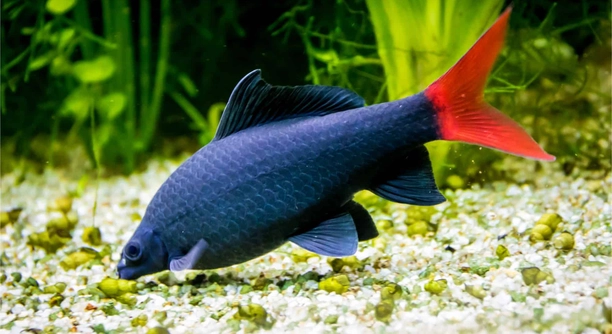
Rainbow sharks are popular aquarium fish known for their vibrant colors and active behavior. Many owners want to ensure their fish feel comfortable and thrive in their tanks. This article offers practical advice to help your rainbow shark adjust well to its environment.
Providing a suitable tank environment is essential for a rainbow shark’s well-being. This includes maintaining proper water conditions, offering hiding spots, and ensuring enough space for swimming. Each factor contributes to reducing stress and promoting healthy behavior in the fish.
Learning how to improve your rainbow shark’s comfort can make a big difference in its health and happiness in your aquarium. The following tips will help you create the ideal living space for your fish.
Create Hiding Spots in the Tank
Rainbow sharks feel safer when they have places to hide. Adding caves, plants, or decorations provides shelter and reduces stress. These spots let the fish retreat when they feel threatened or want to rest. Make sure the hiding places are easy to access and spaced out in the tank. Avoid sharp edges that could harm the fish. A well-decorated tank with hiding spots encourages natural behavior and helps your rainbow shark feel more secure. Using live plants also improves water quality, benefiting the entire tank environment. If you use artificial decorations, clean them regularly to prevent algae buildup or bacteria that could affect fish health. Remember, a calm environment is important for your rainbow shark’s comfort, and hiding places contribute significantly to this calmness. By investing time in setting up these shelters, you create a better habitat that supports your fish’s physical and emotional well-being.
Hiding spots reduce anxiety and encourage natural behavior in rainbow sharks. They play a key role in creating a secure tank environment.
Providing well-planned hiding areas allows your rainbow shark to relax and explore the tank safely. These spaces also reduce aggression from other tank mates by giving the shark a refuge. Overcrowded tanks or a lack of shelter can increase stress and lead to health problems. Adding decorations that suit the size of your fish ensures it can move freely without feeling trapped. This balance helps maintain a peaceful community tank. Take care to change or rearrange hiding spots occasionally to keep the environment stimulating. This variety can prevent boredom and support the fish’s mental health. Properly designed hiding spots contribute to your rainbow shark’s overall happiness and longevity in your care.
Maintain Consistent Water Quality
Stable water conditions are crucial for rainbow sharks. Sudden changes in temperature, pH, or ammonia levels cause stress. Monitoring water parameters regularly helps avoid these fluctuations. Use a reliable test kit to check the tank’s water weekly. Keep the temperature between 75°F and 79°F, and the pH near neutral, around 6.5 to 7.5. Perform partial water changes every one to two weeks to keep the environment clean. Avoid overcrowding the tank to prevent waste buildup, which harms water quality. Consistent maintenance supports your rainbow shark’s immune system and reduces the risk of disease. Using a good filtration system also helps keep the water clear and safe. Clean filters on a schedule, but never all at once, to preserve beneficial bacteria. This careful balance in water quality is vital for the fish’s comfort and health.
Regular water testing and maintenance prevent stress and illness in rainbow sharks by ensuring stable tank conditions. Consistency is key.
Good water quality creates a healthy environment for your rainbow shark. Poor water conditions weaken its immune system and increase susceptibility to infections. Maintaining the proper balance requires commitment but pays off with a lively, active fish. Filter maintenance, careful feeding, and timely water changes keep the tank in optimal condition. Avoid using harsh chemicals or sudden temperature shifts. Providing your fish with clean, stable water supports its growth and coloration. Your efforts directly improve the fish’s comfort and quality of life. By prioritizing water quality, you build a foundation for long-term success in caring for your rainbow shark.
Provide a Balanced Diet
A proper diet keeps your rainbow shark healthy and active. Feeding a mix of high-quality pellets, flakes, and occasional live or frozen foods ensures balanced nutrition. Avoid overfeeding to prevent water pollution and obesity.
Offering varied food helps meet your fish’s nutritional needs. Rainbow sharks are omnivores that enjoy protein-rich meals alongside plant matter. Supplement their diet with bloodworms, brine shrimp, or daphnia occasionally. Including vegetables such as blanched spinach or zucchini supports digestion and adds fiber. Feeding small amounts two to three times daily prevents uneaten food from fouling the tank. Consistency in feeding times also reduces stress and promotes natural feeding habits.
Quality food and feeding routines contribute to your rainbow shark’s color vibrancy and immune health. Avoid cheap or low-nutrient products that can cause deficiencies or illness. Always remove leftovers promptly. When changing food types, do so gradually to avoid digestive upset. A well-fed rainbow shark is less likely to show aggression and will display better overall behavior. Prioritizing diet improves both the longevity and well-being of your fish.
Keep Compatible Tank Mates
Rainbow sharks can be territorial, so selecting peaceful tank mates is essential. Avoid overly aggressive or slow-moving species that may cause stress or conflict.
Compatible species include barbs, danios, and certain tetras that share similar activity levels. Avoid housing rainbow sharks with other bottom dwellers that compete for space or food. Maintaining enough room in the tank helps reduce territorial disputes. Observe interactions carefully, especially during feeding or when the fish claim their preferred spots. Introducing new fish slowly allows the rainbow shark to adjust without becoming overly aggressive. If issues arise, consider rearranging the tank layout to disrupt established territories. Providing plenty of hiding places supports peaceful cohabitation. A balanced community tank fosters healthier, less stressed fish for all inhabitants.
Monitor Tank Temperature
Maintaining a stable temperature is important for your rainbow shark’s comfort. Sudden changes can cause stress and illness.
Use a reliable heater and thermometer to keep the water between 75°F and 79°F. Check the temperature daily to ensure consistency and prevent fluctuations.
Limit Lighting Intensity
Bright or constant lighting can stress rainbow sharks. They prefer moderate light with periods of darkness.
Provide shaded areas or floating plants to soften the light. Use a timer to create a regular day-night cycle, helping your fish maintain a natural rhythm.
Avoid Overcrowding
Too many fish in one tank increases stress and competition for resources. Overcrowding leads to poor water quality and aggression.
Keep the tank spacious enough to allow your rainbow shark plenty of room to swim and establish territory. Adequate space supports healthier behavior and reduces conflicts.
FAQ
How often should I feed my rainbow shark?
Feeding your rainbow shark two to three times a day is ideal. Offer small amounts each time to prevent leftover food from fouling the tank. Consistent feeding helps maintain the fish’s health and reduces stress. Avoid overfeeding, as excess food can harm water quality.
What is the best tank size for a rainbow shark?
A tank of at least 40 gallons is recommended. Rainbow sharks need space to swim actively and establish territory. Smaller tanks can cause stress and aggression. Larger tanks also help maintain better water quality, supporting the fish’s overall health.
Can rainbow sharks live with other bottom-dwelling fish?
It is best to avoid housing rainbow sharks with other bottom dwellers. They can become territorial and aggressive towards fish competing for the same space. Choose mid-level or surface-dwelling species to reduce conflict and stress in the tank.
What water parameters should I maintain?
Keep the water temperature between 75°F and 79°F, with a pH near neutral, around 6.5 to 7.5. Ammonia and nitrite levels should be at zero, and nitrate should remain low through regular water changes. Stable water conditions are crucial for the fish’s comfort and health.
How can I tell if my rainbow shark is stressed?
Signs of stress include hiding excessively, loss of color, erratic swimming, or refusal to eat. Stress may result from poor water quality, overcrowding, or lack of hiding spots. Addressing these issues quickly helps prevent illness and improves the fish’s well-being.
Is it necessary to provide live plants in the tank?
Live plants are beneficial but not strictly necessary. They improve water quality by absorbing nitrates and offer natural hiding spots. If live plants are difficult to maintain, artificial plants can be used, but they require regular cleaning to avoid algae buildup.
What type of filtration is best?
A strong filtration system that provides both mechanical and biological filtration is important. It helps keep water clean and maintains beneficial bacteria. Regular filter maintenance, without cleaning all parts at once, preserves this bacterial balance and ensures good water quality.
How long do rainbow sharks live?
Rainbow sharks typically live between 5 to 8 years with proper care. Maintaining good water quality, a balanced diet, and a stress-free environment contributes to their longevity. Proper tank conditions can extend their life span closer to the upper range.
Can rainbow sharks jump out of the tank?
Yes, rainbow sharks can jump, especially if stressed or startled. A secure tank lid is necessary to prevent escapes. Providing hiding spots and stable water conditions reduces the likelihood of jumping behavior.
Should I isolate a new rainbow shark before adding it to the tank?
Quarantining new fish for at least two weeks is recommended. It helps prevent the spread of diseases to existing tank inhabitants. During quarantine, monitor the new fish for signs of illness before introducing it to the main tank.
Final Thoughts
Caring for a rainbow shark requires attention to several important factors that affect its comfort and health. Providing a suitable tank environment, maintaining good water quality, and offering a balanced diet are all key to keeping the fish happy. Rainbow sharks are active and territorial, so creating enough space and hiding spots helps reduce stress and aggressive behavior. Small details, such as stable temperature and proper lighting, also contribute to their well-being. These steps may seem simple, but they make a significant difference in how your fish adapts and thrives in its home.
Consistency is one of the most important aspects of caring for a rainbow shark. Regular water testing, scheduled feedings, and timely maintenance create a stable environment that supports the fish’s immune system. Avoiding sudden changes in tank conditions helps prevent stress and illness. Watching the fish’s behavior can alert you early if something is wrong, allowing you to make adjustments quickly. Understanding the needs of your rainbow shark allows you to provide care that supports both its physical health and natural behavior.
Investing time in creating a comfortable habitat will reward you with a lively and colorful fish. Rainbow sharks are fascinating to watch when they feel secure and well cared for. They can become a vibrant part of your aquarium community if their needs are met properly. Taking these steps helps ensure your rainbow shark lives a long, healthy life. The effort you put into maintaining their tank environment is worthwhile for the fish’s happiness and for your enjoyment as an owner.

Hello,
If you enjoy the content that we create, please consider saying a "Thank You!" by leaving a tip.
Every little bit helps us continue crafting quality advice that supports the health, happiness, and well-being of pets around the world, for pets of all shapes, sizes, and species.
We really appreciate the kindness and support that you show us!